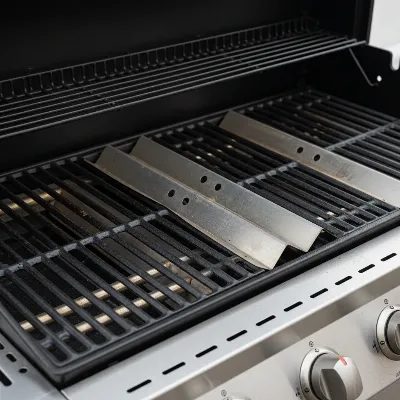
Choosing the perfect gas grill can feel like a quest for the holy grail of outdoor cooking. With countless options available, two titans consistently stand out: Weber and Napoleon. Both brands boast legions of loyal fans and a reputation for quality, innovation, and performance. But when it comes down to it, which one truly deserves a spot on your patio in 2026? This comprehensive guide will dissect the offerings from these industry leaders, helping you navigate their features, performance, and value to confidently pick the gas grill that best fits your grilling ambitions.
The Gas Grill Landscape: An Overview
A great gas grill in 2026 isn’t just about cooking food; it’s about precision, durability, and an enjoyable experience that brings people together. Today’s market demands grills that offer quick heat-up times, consistent temperature control, and a range of features that cater to both casual backyard cooks and seasoned grill masters. Weber, a brand with a storied history dating back to the 1950s with its iconic charcoal kettle, has since evolved to dominate the gas grill sector with its emphasis on consistent performance and user-friendly design. Hailing from Canada, Napoleon Grills, founded in 1976, has carved out its niche by pushing boundaries with innovative features like infrared searing zones and robust construction, often seen as a formidable competitor in the premium segment.
Weber Gas Grills: A Deep Dive
Weber has long been synonymous with reliability and an intuitive grilling experience. Their gas grill lineup is broadly categorized into the Spirit, Genesis, and Summit series, each catering to different needs and budgets. The Spirit series often serves as an excellent entry point, offering solid performance and Weber’s signature even heat distribution in a more compact and affordable package. Moving up, the Genesis series represents a popular mid-range choice, providing more cooking space, enhanced features like dedicated sear zones, and on select models, integrated smart technology through Weber Connect. At the pinnacle, the Summit series offers top-of-the-line performance with advanced features such as stainless steel grates, broilers, and spacious cooking areas for the ultimate outdoor kitchen experience.
A key advantage of Weber grills is their reputation for exceptional durability and consistent, even heating across the entire cooking surface. This means fewer hot spots and more predictable results, a crucial factor for anyone serious about grilling. Many Weber models, particularly in the Genesis and Summit lines, now integrate smart features like Weber Connect, allowing you to monitor temperatures and receive cooking guidance directly on your smartphone. While Weber grills are known for their quality, their price points can be higher than some competitors, particularly for their feature-rich models. The company also typically offers solid, though generally shorter, warranties compared to Napoleon, often ranging from 5 to 12 years depending on the specific components.
Napoleon Gas Grills: A Comprehensive Look
Napoleon has built its reputation on powerful performance, innovative technology, and a commitment to longevity. Their gas grill offerings include the Rogue, Prestige, Prestige PRO, and special Phantom series, each designed to impress. The Rogue series provides an excellent balance of quality construction and value, making premium features accessible at a more competitive price point. The popular Prestige series steps up with advanced capabilities, including Napoleon’s signature infrared Sizzle Zone side burners and interior lighting, offering a luxurious grilling experience. For those seeking the ultimate, the Prestige PRO series boasts even more robust construction, enhanced lighting controls with full spectrum LED, and larger cooking areas. The Phantom series offers special edition models with distinctive matte black finishes and upgraded components for a unique aesthetic and performance boost.
Napoleon grills shine with their exceptional heat output and innovative features. The infrared Sizzle Zone side burners, a hallmark of many Napoleon models, can reach extreme temperatures, allowing for steakhouse-quality searing that locks in juices and flavor. Their grills also often include SafetyGlow or Night Light control knobs that illuminate, indicating which burners are in use—a practical safety feature and a stylish touch for evening grilling. Construction often features high-grade 304 stainless steel components and heavy-duty cooking grates, contributing to their impressive longevity and robust feel. However, some users note that Napoleon grills can be more complex and time-consuming to assemble compared to some Weber models, and their heavy cast iron or stainless steel grates, while excellent for heat retention, can be challenging to handle for cleaning. Napoleon typically offers more generous warranties, frequently providing 10, 15, or even lifetime coverage on certain components, a testament to their confidence in product durability.
Head-to-Head: Weber vs Napoleon Gas Grill Comparison 2026
When placing these two grilling giants side by side, several key differences emerge that can sway your decision.
Build Quality and Materials
Table is empty.Both brands utilize stainless steel for durability and heat retention, ensuring their grills are built to last. Napoleon often uses 304-grade stainless steel for critical components like the exterior hood, control panel, cooking grates, and burners in its Prestige series, alongside rust-proof cast aluminum fireboxes. Their heavy-duty, wave-patterned cooking grates are a distinctive feature, designed to prevent food from falling through and create iconic sear marks. Weber grills also feature high-quality materials, with porcelain-enameled cast iron or stainless steel grates depending on the model, known for their solid construction and consistent performance over many years.
Performance: Heat Output & Evenness
Napoleon often edges out Weber in raw BTU output and searing capabilities, largely thanks to its powerful infrared Sizzle Zone burners. If achieving intense, rapid searing for steaks and chops is a top priority, Napoleon’s infrared technology delivers restaurant-grade results. Weber, while still offering excellent performance, is more consistently praised for its incredibly even heat distribution across the entire cooking surface, minimizing hot spots and ensuring food cooks uniformly. This makes Weber a strong contender for those who prioritize consistent results for a wide range of foods.
Innovative Features & Technology
Innovation is a strong suit for both brands, albeit with different focuses. Weber leads with its integrated smart technology, such as Weber Connect, found in models like the Genesis Smart SX-335. This system allows for remote temperature monitoring, alerts, and step-by-step grilling assistance via an app, enhancing user convenience. Napoleon, on the other hand, excels with its physical innovations, including the aforementioned Sizzle Zone infrared burners, illuminated SafetyGlow control knobs (a fantastic safety feature for low-light grilling), and a comprehensive range of rotisserie kits and charcoal trays.
Design & Aesthetics
Weber maintains a classic, often understated aesthetic that prioritizes functionality and clean lines. Their grills are instantly recognizable and have a timeless appeal. Napoleon grills tend to have a more modern and robust appearance, often featuring sleek stainless steel finishes, dynamic wave cooking grates, and distinctive illuminated control knobs. The special Phantom series takes this a step further with its striking matte black finish, offering a more aggressive and high-tech look.
Warranty & Customer Support
Warranty coverage is a significant differentiator. Napoleon typically offers more extensive warranties, with many components covered for 10 to 15 years, and some even carrying a lifetime warranty, highlighting their confidence in the grill’s longevity. Weber provides strong warranties as well, usually ranging from 5 to 12 years on various parts, backed by a reputation for reliable customer service.
Price & Value
Generally, Weber offers a broad price spectrum, from entry-level Spirit models to high-end Summit grills, often considered to deliver excellent value for their consistent quality and durability. Napoleon’s pricing tends to sit in the mid-to-high range, with its innovative features and robust construction often justifying the investment for serious grillers. While some Napoleon models might have a higher initial cost, their extended warranties and advanced features can offer long-term value.
Top Gas Grill Models: Weber vs Napoleon
| Model (Weber) | Key Features | Price Range (Estimate) |
|---|---|---|
| Weber Spirit II E-310 | 3 burners, GS4 grilling system, open cart | $500 – $650 |
| Weber Genesis SX-335 Smart | 3 main burners, sear zone, smart features, side burner | $1,000 – $1,300 |
| Weber Summit FS38 S | 4 burners, broiler, stainless steel grates, rotisserie | $3,000+ |
| Model (Napoleon) | Key Features | Price Range (Estimate) |
| Napoleon Rogue XT 425 | 4 main burners, infrared side burner, wave grates | $800 – $1,000 |
| Napoleon Prestige 500 | 4 main burners, infrared side/rear burners, SafetyGlow knobs | $1,200 – $1,600 |
| Napoleon Prestige PRO 500 | Advanced features, Full Spectrum LED, heavier build | $2,000+ |
Choosing Your Champion: Factors to Consider
Deciding between a Weber and a Napoleon gas grill ultimately comes down to your personal grilling preferences, priorities, and budget.
- Budget and desired investment: Determine how much you’re willing to spend. Weber offers excellent value at various price points, while Napoleon tends to command a higher price for its advanced features.
- Cooking style: Are you a dedicated steak-lover who craves perfect sear marks? Napoleon’s Sizzle Zone might be irresistible. Do you prioritize consistent, even cooking for a wide array of dishes? Weber’s renowned heat distribution could be your preference.
- Space and portability needs: Consider the size of your grilling area. Both brands offer compact and portable options, as well as expansive built-in or freestanding models.
- Desired features: Do you want the convenience of smart technology and app integration (Weber)? Or are you more drawn to powerful infrared searing, illuminated controls, and robust rotisserie options (Napoleon)?
- Ease of assembly and maintenance: Weber grills are generally simpler to assemble. Napoleon’s heavier grates, while performing exceptionally, might require a bit more effort during cleaning.
Ultimately, both Weber and Napoleon deliver exceptional gas grills that can elevate your outdoor cooking experience. Your ideal grill will be the one that aligns most closely with your specific grilling habits, aesthetic preferences, and feature requirements for 2026.
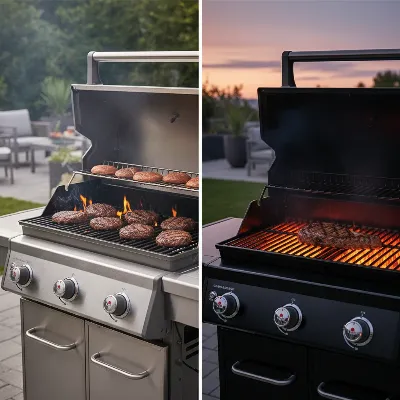 A split image showing a sleek stainless steel Weber gas grill on the left and a robust, modern black Napoleon gas grill with illuminated knobs on the right, both perfectly prepared for grilling.
Expert Tips for Gas Grill Care and Maintenance
To ensure your gas grill—whether a Weber or a Napoleon—serves you faithfully for years to come, consistent care is paramount.
- Clean after every use: Scrape cooking grates immediately after grilling while they are still warm to remove food residue. A wire brush is essential for this task.
- Deep clean regularly: Perform a thorough cleaning every few months. This includes removing grates, burner covers (flavorizer bars/sear plates), and cleaning out any accumulated grease or debris from the firebox and drip tray.
- Check components: Periodically inspect your burners, igniters, and gas lines for any blockages, cracks, or wear. Replace any damaged parts promptly to ensure safe and efficient operation.
- Protect from the elements: Always use a high-quality grill cover when the grill is not in use to protect it from rain, sun, and debris. For extended storage, especially in harsh winters, consider storing it in a garage or shed.
- Safety first: Always ensure proper ventilation when operating your grill. Never store propane tanks indoors or in enclosed spaces, and always check for gas leaks using a soapy water solution if you suspect an issue.
“Investing in a premium gas grill from either Weber or Napoleon is a commitment to quality outdoor cooking. The real longevity, however, comes from consistent cleaning and meticulous maintenance. Treat your grill right, and it will reward you with countless memorable meals.” – Admin, ReviewLyze.com, Grill Technician (10+ Years Experience)
Frequently Asked Questions (FAQ)
Is Napoleon or Weber better for searing?
Napoleon is generally considered better for searing, largely due to its proprietary infrared Sizzle Zone side burners, which reach extremely high temperatures to create a perfect crust on meats. While Weber grills can sear effectively, Napoleon’s specialized infrared technology often provides a more intense and rapid searing capability.
Do Napoleon grills last longer than Weber?
Both brands are known for their durability. Napoleon often offers longer warranties, with some components featuring lifetime coverage, suggesting a strong confidence in their longevity. Weber grills also have a reputation for lasting 10 to 15 years or more with proper maintenance. The lifespan often depends more on individual care and specific model construction than the brand itself.
What is the Weber Connect system?
Weber Connect is a smart grilling technology integrated into select Weber gas grills. It allows users to connect their grill to a smartphone app, providing real-time temperature monitoring, step-by-step cooking assistance, flip and serve notifications, and fuel level monitoring. This system aims to simplify the grilling process and ensure perfect results.
What are Napoleon’s Sizzle Zone burners?
Napoleon’s Sizzle Zone burners are ceramic infrared side burners found on many of their gas grills. These burners generate intense, concentrated heat, perfect for achieving a restaurant-quality sear on steaks and other meats in a very short amount of time, locking in juices and flavors.
Are Weber grills made in the USA?
While Weber is an American company, like many global brands, they use globally sourced parts. Their main manufacturing facilities for some Gas Grills are located in Huntley, Illinois, but components may come from various international sources.