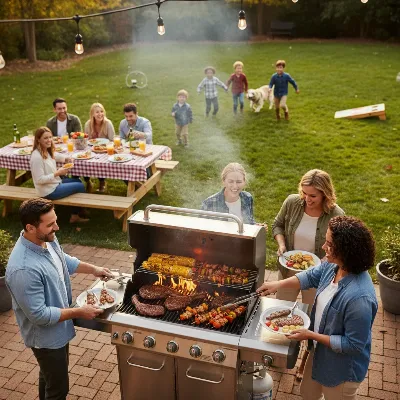
For many, the sizzle of food on a grill is the quintessential sound of summer, a universal invitation to gather, share, and savor. Yet, with countless options on the market, finding the perfect outdoor companion can feel overwhelming. If you’re a seasoned grill master or just starting your journey into the world of outdoor cooking, understanding what makes a gas grill truly shine is essential. This comprehensive guide will not only explore the ins and outs of gas grilling but also provide an in-depth look at a standout model, the Weber Spirit II E-310 Gas Grill, to help you make an informed decision for your backyard feasts.
Gas Grill: A Comprehensive Guide for Beginners and Experts
Gas grills have become an indispensable part of modern outdoor living, celebrated for their convenience and consistent performance. They offer a simple, efficient way to cook a wide variety of foods, making them a favorite for casual weeknight dinners and weekend entertaining alike.
Overview of Gas Grills
Table is empty.What exactly is a gas grill, and why has it captured the hearts of so many outdoor cooking enthusiasts? At its core, a gas grill is an outdoor cooking appliance that uses either propane or natural gas as its fuel source. Instead of charcoal or wood, gas burners heat cooking grates, providing a clean and controlled cooking environment. The popularity of gas grills surged in the 1960s with innovations from companies like Modern Home Products and Arkansas Louisiana Gas Company, offering an easier and more reliable alternative to traditional charcoal setups. Today, they are the most common type of grill owned by Americans, a testament to their user-friendly design and excellent results.
Pros and Cons of Gas Grills
Like any cooking appliance, gas grills come with their own set of advantages and disadvantages. Understanding these can help you determine if a gas grill is the right fit for your grilling style.
Advantages:
- Convenience: Gas grills ignite quickly, often with the push of a button, reaching optimal cooking temperatures in minutes.
- Precise Temperature Control: Burners can be adjusted individually, allowing for multiple cooking zones and precise heat management, which is crucial for various dishes.
- Cleaner Operation: There’s no messy ash or charcoal residue to deal with after cooking, making cleanup significantly easier.
- Consistent Heat: They maintain a steady temperature across the cooking surface, leading to more predictable and evenly cooked results.
- Versatility: Many models support a range of accessories, including rotisseries, griddles, and smoker boxes, expanding your culinary possibilities.
Disadvantages:
- Higher Initial Cost: Gas grills generally have a higher upfront purchase price compared to charcoal grills.
- Less Smoky Flavor: While flavorizer bars can enhance taste, gas grills typically don’t impart the same deep, smoky flavor as charcoal grills.
- Fuel Source Dependency: They require a continuous supply of propane tanks or a natural gas line connection, which might not be available or convenient for all users.
- Maintenance Complexity: While cleanup is easier, the internal components (burners, ignition) can be more complex to maintain and replace over time.
Comparing Gas Grills with Other Types
The world of grilling extends beyond just gas, with charcoal and electric grills offering distinct experiences. Each has its unique characteristics, appealing to different preferences and needs.
- Gas Grill vs. Charcoal Grill: The fundamental difference lies in fuel and flavor. Charcoal grills are revered for their intense heat and the distinct smoky flavor they impart to food, often preferred by purists. However, they require longer preheating, more effort to manage temperature, and produce ash cleanup. Gas grills, conversely, prioritize speed, convenience, and precise control, making them ideal for everyday use, though some argue they lack the authentic smoky taste.
- Gas Grill vs. Electric Grill: Electric grills offer the ultimate convenience, often usable indoors and requiring no fuel tanks. They are generally the safest and easiest to clean. However, they typically don’t reach the high temperatures of gas or charcoal, limiting searing capabilities, and offer less cooking power and mobility for outdoor use. Gas grills provide a robust outdoor grilling experience with ample power and more nuanced heat control than most electric models.
Key Factors to Consider When Buying a Gas Grill
Choosing a gas grill requires thoughtful consideration of several factors to ensure it meets your specific grilling needs and budget. A higher price doesn’t always guarantee the best grill for you.
- Size and Cooking Power: Evaluate the primary cooking area (excluding warming racks) in square inches. A good rule of thumb is at least 300 square inches for a family of four. For larger gatherings, consider medium (469-639 sq. in.) or large (640-789 sq. in.) grills. The BTU (British Thermal Unit) rating indicates heat output, but remember that efficient heat retention and even distribution are equally important for performance.
- Material: The durability and longevity of your grill largely depend on its construction materials. Stainless steel is highly valued for its rust resistance and robust build, making it a popular choice for burners and exterior components. Cast iron cooking grates retain heat exceptionally well for searing but require regular maintenance to prevent rust. Porcelain-coated grates offer easier cleanup but can chip if mishandled.
- Number of Burners: More burners generally mean greater versatility. Three burners, for instance, allow for distinct direct and indirect heating zones, enabling you to sear a steak on one side while gently cooking vegetables or roasting larger cuts on the other. This multi-zone cooking capability is a significant advantage for varied meal preparation.
- Additional Features: Look for features that enhance your grilling experience, such as a reliable ignition system (like Weber’s Infinity Ignition), a built-in lid thermometer for monitoring internal temperatures, and sturdy side tables for prep space. Integrated tool hooks keep your utensils handy, while a fuel gauge for propane tanks helps prevent unexpected run-outs. For advanced users, compatibility with smart thermometers, like the iGrill 3, can offer real-time temperature monitoring via your smartphone.
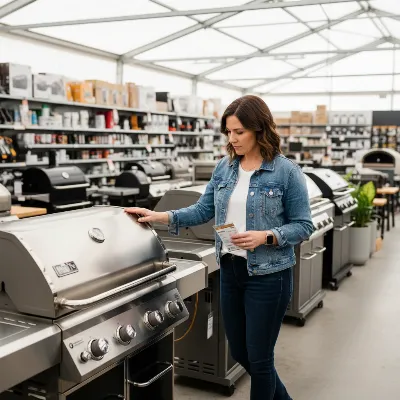 Choosing a gas grill, person looking at models in a store
Review: Weber Spirit II E-310 Gas Grill Performance
The Weber Spirit II E-310 Gas Grill stands out as a highly acclaimed, mid-priced option that consistently delivers high performance, making it a favorite for both novice grillers and seasoned backyard chefs. Its combination of thoughtful design, powerful features, and reliable cooking capabilities has earned it a strong reputation in the market.
Design and Build Quality
The Spirit II E-310 boasts a sturdy and solid construction, featuring a porcelain-enameled lid that not only looks sleek but also provides excellent heat retention and durability. The cooking grates are made from porcelain-enameled cast iron, offering superior searing capabilities and longevity compared to standard grates. Its three stainless steel burners are designed for even heat distribution and resistance to corrosion over time. The grill utilizes an open cart design, which, while some prefer a closed cabinet for aesthetic reasons, offers convenient storage for accessories and easy access to the propane tank, which includes a fuel gauge on LP models. Mobility is enhanced by two large, durable all-weather wheels, making it easy to reposition the grill on your patio or deck. A foldable left side shelf with integrated tool hooks provides ample prep space and convenient storage for your grilling essentials.
Key Features and Technology (GS4 Grilling System)
At the heart of the Weber Spirit II E-310 Gas Grill is the innovative GS4 Grilling System, a suite of features engineered to elevate your grilling experience. This system ensures reliable performance from ignition to cleanup.
- Infinity Ignition: This battery-powered electronic ignition system ensures that your burners light up every time, eliminating the frustration of multiple attempts.
- High-Performance Burners: Three independently controlled stainless steel burners deliver a total of 30,000 BTUs per hour across the cooking surface, providing strong heat for searing and consistent temperatures for indirect cooking.
- Porcelain-Enameled Flavorizer Bars: These iconic angled bars are strategically placed above the burners. They catch drippings, vaporizing them into smoky flavors that infuse your food, while simultaneously protecting the burners from grease and reducing flare-ups. This system significantly contributes to the overall taste and simplifies cleaning.
- Grease Management System: Designed for easy cleaning, the system features a funnel-shaped cook box that directs grease and food residue into a centrally located, easily accessible drip tray. This streamlined approach minimizes mess and makes post-grill cleanup a much simpler task.
Cooking Performance
When it comes to actual cooking, the Weber Spirit II E-310 truly shines, consistently earning praise for its ability to produce delicious, evenly cooked food. Reviewers often highlight its impressive speed in reaching grilling temperatures, often hitting 250 degrees Celsius (482°F) within just five minutes. The three burners allow for excellent heat distribution, ensuring that every part of the 424 square inches of primary cooking space gets hot, although some minor temperature variations have been noted in certain spots. It excels at searing, creating desirable grill marks and locking in juices, particularly on items like burgers and steaks. For more delicate foods or indirect cooking, the precise heat control ensures tender and thoroughly cooked results, such as juicy chicken or perfectly roasted vegetables. The Flavorizer Bars play a critical role, enhancing the taste by creating a smoky aroma from vaporized drippings and effectively managing flare-ups.
> “The Weber Spirit II E-310 consistently delivers fantastic results, especially with its ability to maintain even heat and create mouth-watering char. It’s a workhorse for any backyard.” – John Smith, Grill Master & Culinary Instructor
Ease of Use and Assembly
One of the most frequently lauded aspects of the Weber Spirit II E-310 is its user-friendliness, starting right from the assembly process. While assembly takes approximately an hour for two people and involves about 46-49 steps, the instructions are thorough and easy to follow, often supplemented by 3D guides in apps like BILT. Once assembled, the grill is simple to operate, with intuitive control knobs and the reliable Infinity Ignition. The foldable side shelf and tool hooks add to its convenience, providing practical workspace. The efficient grease management system and porcelain-enameled grates also contribute to straightforward post-cook cleanup, making the overall grilling experience enjoyable and hassle-free.
Value for Money
Priced in the mid-range for gas grills, typically around $569-$639, the Weber Spirit II E-310 offers excellent value for its performance and features. While it may not include all the “bells and whistles” of more premium models, like an integrated side burner or built-in real-time temperature display, its core functionalities—reliable ignition, even heat, flavorful cooking, and durable construction—are top-notch. Coupled with a generous 10-year warranty on major components, it represents a solid investment for those seeking a dependable, high-performing grill without breaking the bank. It strikes an ideal balance between affordability and Weber’s renowned quality and performance.
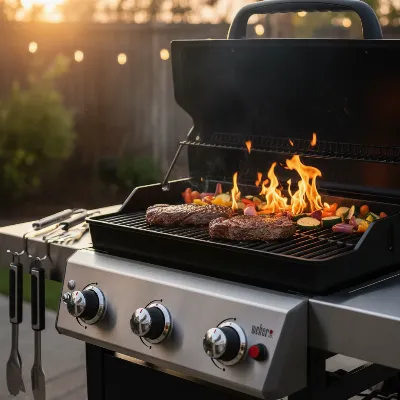 A Weber Spirit II E-310 gas grill actively cooking various foods
Comparison Table: Top Gas Grill Models
To provide a broader perspective, here’s a comparison of the Weber Spirit II E-310 against two other notable gas grill models, showcasing their key specifications and price points. This table can help you weigh options based on your specific priorities.
| Model | Size (Primary Cooking Area) | Total BTUs | Material (Grates/Burners) | Key Features | Price (Approx.) |
|---|---|---|---|---|---|
| Weber Spirit II E-310 | 424 sq. in. | 30,000 | Porcelain-enameled cast iron / Stainless Steel | GS4 Grilling System (Infinity Ignition, Flavorizer Bars, Grease Management), Foldable Side Shelf, iGrill 3 Ready | $569 |
| Weber Genesis E-325s | 513 sq. in. | 39,000 | Porcelain-enameled cast iron / Stainless Steel | GS4 Grilling System, Side Burner, Sear Station, Enclosed Cabinet, iGrill 3 Ready | $949 |
| Napoleon Rogue 425 | 425 sq. in. | 42,000 | Porcelain-enameled cast iron / Stainless Steel | JETFIRE Ignition, ACCU-PROBE temperature gauge, Optional Infrared Side Burner, Folding Side Shelves | $799 |
Guide to Buying a Gas Grill
Purchasing a gas grill is an investment in countless enjoyable meals and memorable outdoor moments. By systematically approaching the buying process, you can ensure you select a model that perfectly aligns with your lifestyle and culinary aspirations.
Start by meticulously defining your needs and budget. How often will you grill? What types of foods do you typically prepare? How many people do you usually cook for? Your answers will guide your choices regarding size, number of burners, and desired features. Next, thoroughly research different brands and models, paying close attention to user reviews and expert comparisons. Websites and consumer guides often provide invaluable insights into real-world performance and durability. When you’ve narrowed down your options, visit reputable retailers, both online and in-store. While online shopping offers convenience, seeing a grill in person allows you to assess its build quality, ergonomic design, and overall footprint. Before finalizing your purchase, carefully inspect the product for any defects or missing components. Always prioritize models with robust warranties, as this signals a manufacturer’s confidence in their product and provides peace of mind for your investment.
Tips for Using and Maintaining Your Gas Grill
Proper use and regular maintenance are critical for maximizing the performance and extending the lifespan of your gas grill. A well-cared-for grill will not only cook better but also remain a safe and reliable appliance for years to come.
After each use, make it a habit to clean your grill grates thoroughly with a stiff wire brush while they are still warm to remove any food residue. This prevents buildup and ensures even heat transfer for your next cookout. Periodically, or at the end of each grilling season, perform a deeper clean. This involves scraping down the interior walls and bottom of the cook box, cleaning the Flavorizer Bars or heat deflectors, and emptying and washing the grease tray. Warm, soapy water works well for grates and exterior surfaces; just ensure all components are completely dry before reassembling. When not in use, especially for extended periods or during off-season, store your grill properly. Disconnect and store propane tanks in a cool, well-ventilated outdoor area, never indoors. Cover your grill with a durable, weather-resistant cover, and if possible, store it in a sheltered location like a shed or garage to protect it from the elements. Before long-term storage, a light coating of cooking oil on the grates can help prevent rust. Always remember safety first: regularly check gas lines and connections for leaks using a soapy water solution, and ensure proper ventilation during operation.
Conclusion
The Weber Spirit II E-310 Gas Grill stands out as an exceptional choice for anyone seeking a reliable, high-performing, and user-friendly outdoor cooking solution. Its powerful GS4 Grilling System, robust build quality, and consistent cooking performance make it a top contender in its price range. While it might forgo some luxury features, it delivers on the essentials, providing excellent value and the renowned Weber quality. Investing in a good gas grill, like the Spirit II E-310, transforms outdoor cooking into an effortless and enjoyable experience. What delicious meals will you create with your new Gas Grill this season?
Frequently Asked Questions
What makes the Weber Spirit II E-310 a good choice for beginners?
The Weber Spirit II E-310 is ideal for beginners due to its reliable Infinity Ignition, intuitive controls, and straightforward assembly process. Its consistent heat distribution and effective grease management system minimize common grilling frustrations, allowing new users to achieve great results with ease.
How does the GS4 Grilling System improve cooking?
The GS4 Grilling System enhances cooking through its robust components: the Infinity Ignition for quick starts, high-performance burners for even heat, Flavorizer Bars for infused flavor and flare-up prevention, and an efficient Grease Management System for easy cleanup. Together, these ensure a superior and hassle-free grilling experience.
Can the Weber Spirit II E-310 be converted to natural gas?
The Weber Spirit II E-310 is available in both liquid propane and natural gas versions. It’s crucial to purchase the correct model for your desired fuel type, as grills are generally not convertible between liquid propane and natural gas due to differences in gas pressure and burner orifices.
Is the Weber Spirit II E-310 suitable for small patios?
Yes, the Weber Spirit II E-310 is well-suited for smaller outdoor spaces like patios and decks. Its compact footprint, combined with a foldable left side table, allows it to fit neatly while still offering a substantial cooking area.
What is the warranty like for the Weber Spirit II E-310?
Weber offers a comprehensive 10-year warranty on the cookbox, lid, and burner tubes of the Spirit II E-310, demonstrating their confidence in its durability. Other major components typically come with a 5-year warranty, providing excellent long-term peace of mind.