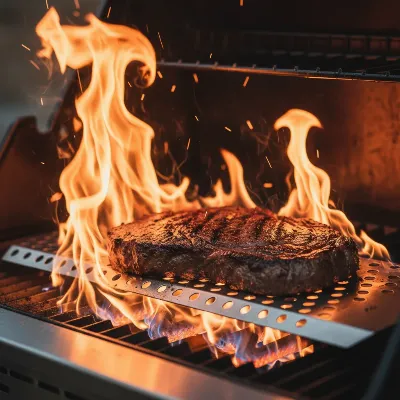
The sudden burst of flames licking at your carefully prepared meal is every griller’s nightmare. Gas grill flare-ups can quickly turn a relaxing barbecue into a stressful experience, charring food and posing significant safety risks. But what if you could master the art of controlling these fiery disruptions? This comprehensive guide provides you with actionable, DIY strategies to prevent and manage gas grill flare-ups, ensuring your cooking sessions are both delicious and safe.
Understanding Gas Grill Flare-Ups: What They Are and Why They Happen
A flare-up is an unexpected, intense burst of flame that rises from your grill, often consuming the food you’re cooking. Why are they so common on gas grills? The core reason lies in the interaction of fat, fuel, and heat. When fat, grease, or sugary marinades drip from your food onto the hot burner covers or grates, they vaporize and ignite, creating a sudden flash of fire. While small, brief flare-ups can add a desirable smoky flavor and char, uncontrolled ones quickly lead to burnt food, bitter tastes, and potential hazards.
The primary culprit is usually dripping fat. As meat cooks, especially high-fat cuts, rendered fat melts and falls onto the hot surfaces below. If these drippings hit an open flame or superheated metal, they combust. Excess oil from marinades or sticky, sugar-rich sauces can exacerbate this issue, igniting easily and burning quickly. A dirty grill, laden with accumulated grease and food debris, acts as additional fuel, transforming minor drippings into raging infernos. Even external factors like strong winds can worsen flare-ups by feeding extra oxygen to the flames.
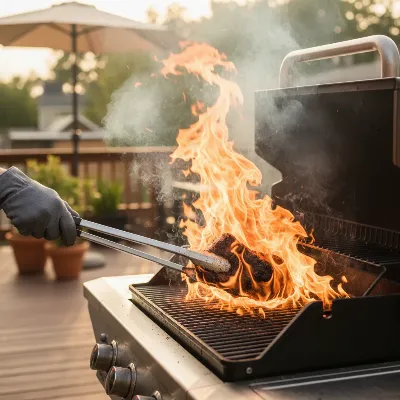 A gas grill with a large flare-up engulfing food on the grates, showing intense flames and smoke, with a panicked hand holding tongs.
Common Causes of Gas Grill Flare-Ups
Understanding the specific triggers for flare-ups is the first step in preventing them. These fiery incidents are rarely random; they are often the result of preventable conditions related to food, grill cleanliness, and cooking practices. Recognizing these causes empowers you to take proactive measures.
- Excess Fat and Marinades: Meats with a high-fat content, such as burgers, sausages, or fatty steaks, release significant drippings that readily ignite. Similarly, liberal application of oil or sugary marinades can cause excess liquid to drip onto hot surfaces, fueling flames.
- Dirty Grill Grates and Components: Accumulated grease, charred food bits, and old residue on your grill grates, burner covers (also known as flame tamers or heat shields), and drip tray are major contributors. This built-up grime acts as kindling, igniting readily and prolonging flare-ups.
- High Cooking Temperatures: Cooking at excessively high temperatures, especially with fatty foods, accelerates fat rendering and increases the likelihood of drippings igniting. The hotter the grill, the more volatile the drippings become.
- Improper Grill Maintenance: Beyond just the grates, neglecting to clean the grease tray or ensuring flame tamers are free of corrosion and holes can lead to problems. A full drip tray can ignite, and damaged flame tamers allow fat to drip directly onto the burners.
- Wind Conditions: Strong gusts of wind can introduce more oxygen to the flames, intensifying existing flare-ups or making them more difficult to control.
Immediate Actions to Take During a Gas Grill Flare-Up
Despite your best preventative efforts, flare-ups can still occur. Knowing how to react quickly and safely is crucial to protect your food and yourself. Panic can lead to dangerous mistakes, so a calm and informed response is essential.
First and foremost, do not panic and never use water to extinguish a grease fire. Water will spread the burning grease and intensify the flames, creating a far more dangerous situation. Instead, focus on cutting off the fuel and oxygen to the fire.
- Move the Food: Use long-handled tongs to quickly shift the affected food away from the direct flames to a cooler, indirect heat zone on your grill, or even to a warming rack if space is tight. This removes the fuel source (the dripping fat) from the immediate fire.
- Adjust Burners: If the flare-up is localized over specific burners, immediately turn those burners down to low or off completely. This reduces the heat fueling the flames.
- Close the Lid (Cautiously): For smaller flare-ups, carefully closing the grill lid can help starve the fire of oxygen, causing it to subside. However, if the fire is very large and appears to be spreading rapidly, closing the lid might trap excessive heat and worsen the situation; in such extreme cases, focus on turning off the gas first.
- Use Baking Soda or Salt: Keep a box of baking soda or salt near your grill. For small grease fires, sprinkling a generous amount directly onto the flames can help smother them.
If a flare-up escalates into a full-blown grease fire, immediate and decisive action is required:
- Turn Off the Gas: Crucially, turn off all grill burners and close the propane tank valve or natural gas supply valve.
- Fire Extinguisher: A dry chemical fire extinguisher (Class B or K for grease fires) is highly effective for larger, uncontrolled grill fires.
- Call Emergency Services: If the fire spreads beyond the grill, reaches the gas hose or tank, or you cannot control it, evacuate the area and call emergency services immediately.
Essential DIY Strategies to Prevent Gas Grill Flare-Ups
The best defense against flare-ups is a proactive approach through diligent preparation and smart cooking techniques. By adopting these DIY strategies, you can significantly reduce the risk of unwelcome flames and enjoy a much smoother grilling experience. Prevention starts before the food even hits the grates.
Pre-Grilling Preparation
Proper preparation is paramount to minimizing flare-up risks.
- Trim Excess Fat: Before grilling, always take a few moments to trim any large pockets of excess fat from your meats. While some fat is essential for flavor and juiciness, excessive amounts will render quickly and cause drips, leading to flare-ups.
- Pat Food Dry and Control Marinades: Ensure your food is as dry as possible before it goes on the grill. Patting meats and vegetables dry with paper towels removes surface moisture and excess oil from marinades, reducing drips. For marinated foods, wipe off any thick, sugary, or oil-heavy marinade before placing it on the grates, as these liquids are highly flammable.
- Preheat and Clean Grill Grates Thoroughly: Always preheat your grill for 10-15 minutes before cooking. This burns off residual food particles and grease, making them easier to scrape away. After preheating, use a sturdy grill brush to thoroughly clean the grates, removing any built-up residue that could ignite. A clean grate means less fuel for potential flare-ups.
Cooking Techniques for Flare-Up Control
Even with perfect preparation, your grilling technique plays a vital role in keeping flames at bay.
- Utilize Two-Zone Cooking: This is one of the most effective methods for managing heat and preventing flare-ups. Set up your gas grill so one side is on high heat (direct zone) for searing, and the other side is on low or off (indirect zone). This provides a “safe zone” where you can move food if a flare-up occurs, allowing the flames to die down naturally.
- Monitor Temperature and Adjust Accordingly: Don’t just set it and forget it. Keep an eye on your grill’s thermometer and adjust burner settings as needed. Cooking at moderate-to-lower temperatures, especially for fattier cuts, can slow down fat rendering and reduce the chances of ignition.
- Turn Food Frequently and Strategically: Regular turning of food prevents fat from accumulating and dripping consistently in one spot. When flipping, consider moving the food slightly to a different part of the grate to avoid continuous dripping onto the same heated surface.
- Avoid Overloading the Grill: Overcrowding your grill limits airflow and can create “hot spots” where a concentration of food leads to excessive dripping over a single area. Give your food space to breathe, allowing heat to circulate evenly and reducing drip density.
- Use Drip Pans: For longer cooks or particularly fatty items, placing a disposable aluminum drip pan beneath the cooking grates in the indirect heat zone can catch drippings, preventing them from reaching the heat source.
> “The secret to a great grill master isn’t just about cooking; it’s about anticipating and controlling the environment. Mastering flare-ups comes down to diligence in cleaning and smart heat management.” – Chef Antoine Dubois, Culinary Instructor & Grill Expert
Grill Maintenance: Your First Line of Defense
Regular maintenance isn’t just about extending the life of your gas grill; it’s critical for safety and preventing flare-ups. A well-maintained grill is a safer grill.
- Regular Cleaning of Grates, Burner Covers, and Grease Tray: Make it a habit to clean your grill after every use. Scrape down grates, and ensure burner covers (flame tamers/heat shields) are free of caked-on grease and residue. The grease tray, which collects fat and oil, should be emptied and wiped down regularly, as accumulated grease can easily ignite.
- Inspect for Blockages and Corrosion: Periodically inspect your burners for any blockages from food bits, rust, or even spider webs. Clogged burners can lead to uneven heat and hot spots, contributing to flare-ups. Also, check flame tamers for rust or holes, as damaged ones allow grease to drip directly onto the burners. Replace any rusted or damaged parts.
- Proper Storage and Cover: When not in use, keep your gas grill covered to protect it from elements and prevent debris from accumulating. This also helps keep the interior cleaner between uses.
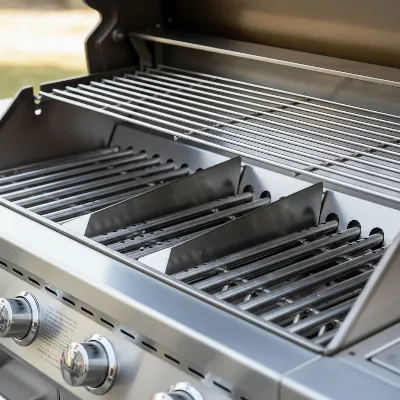 A clean gas grill interior with shiny grates, flame tamers, and burners, ready for cooking.
Key Factors to Consider for Flare-Up Prevention in Your Gas Grill Setup
Beyond your immediate actions, the design and accessories of your gas grill can significantly impact its susceptibility to flare-ups. Understanding these factors helps you make informed choices and optimize your setup for safer grilling.
- Grill Design (Burner Covers, Grease Management Systems): Modern gas grills are often designed with features to mitigate flare-ups. Burner covers, also known as flame tamers or heat shields, play a crucial role by vaporizing drippings before they reach the burner flames. A good grease management system, including well-designed drip trays and collection pans, channels rendered fat away from the heat source. Ensure these components are in good condition and clean.
- Material of Grates: While not a direct flare-up prevention mechanism, the material of your grill grates (e.g., cast iron, stainless steel) can influence how easily food and grease adhere, which in turn affects cleaning and potential buildup. Seasoned cast iron can develop a non-stick surface, potentially reducing food residue.
- Accessories that Help Prevent Flare-Ups:
- Grill Mats: Non-stick grill mats placed directly on the grates can prevent small food items from falling through and virtually eliminate drips onto the heat source. They create a solid cooking surface.
- Drip Pans/Catch Trays: As mentioned, these are essential for collecting fat during indirect cooking or for particularly greasy foods. Many grills have integrated systems, but additional disposable pans can be used.
- Temperature Gauges: An accurate lid thermometer or an external probe thermometer helps you maintain optimal cooking temperatures, preventing excessive heat that contributes to flare-ups.
Troubleshooting Common Flare-Up Scenarios
Even with preventative measures and a well-equipped grill, specific cooking situations can challenge your flare-up control. Learning to troubleshoot these common scenarios will make you a more confident and adaptable griller.
- Continuous Dripping from Fatty Foods: If you’re grilling very fatty items like thick burgers, sausages, or brisket, continuous dripping is almost inevitable.
- Solution: Always use a two-zone setup. Start searing over direct heat, then move the food to the indirect zone to finish cooking. Use a drip pan under the food in the indirect zone.
- Solution: Turn the food frequently, moving it slightly with each flip to avoid a constant drip stream onto the same spot.
- Flare-Ups with Delicate Foods or Sauces: Delicate foods might char quickly, and sugary sauces can burn easily.
- Solution: Apply sugary sauces towards the end of the cooking process to prevent them from burning and dripping excessively early on.
- Solution: Cook delicate items like fish or vegetables primarily over indirect heat, or use a grill mat to create a barrier and prevent drips.
- Dealing with Windy Conditions: Wind can fan flames and make flare-ups more aggressive.
- Solution: Position your grill in a sheltered area, away from strong gusts. Consider using a windbreak if necessary, ensuring it’s non-combustible and doesn’t block essential ventilation around the grill.
- Solution: Be extra vigilant with temperature control and food placement, as wind can make temperatures fluctuate more wildly.
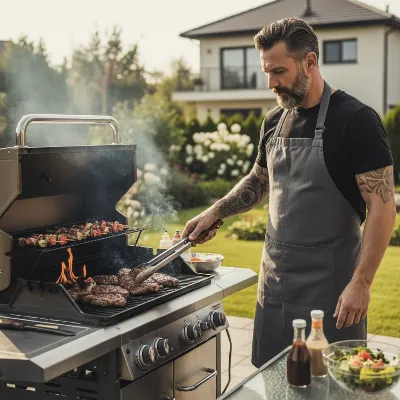 A confident person using long tongs to manage food on a gas grill, with small, controlled flames, demonstrating expertise and safe grilling practices.
Conclusion
Mastering how to stop gas grill flare-ups while cooking DIY is not just about avoiding burnt food; it’s about ensuring safety and enhancing your overall grilling experience. By consistently practicing proper grill maintenance, meticulously preparing your ingredients, and employing smart cooking techniques like two-zone grilling, you can dramatically reduce the occurrence of these fiery interruptions. Remember, a clean grill, moderate temperatures, and attentive cooking are your strongest allies against unexpected flames. What’s your go-to method for keeping flare-ups at bay, and how has it transformed your grilling?
Frequently Asked Questions
Is it normal for a gas grill to have flare-ups?
Yes, small, brief flare-ups are considered normal and can even contribute to flavor development. However, frequent, large, and uncontrolled flare-ups are not normal and indicate underlying issues with cleanliness, cooking technique, or food preparation that need to be addressed.
Can flare-ups damage my gas grill?
Persistent, intense flare-ups can potentially damage internal grill components, such as burner covers or grates, due to extreme heat. More critically, uncontrolled flare-ups pose a significant fire hazard, potentially leading to property damage or personal injury.
How often should I clean my gas grill to prevent flare-ups?
For optimal prevention, it’s recommended to clean your grill grates before and after each use. The grease tray should be emptied and wiped down regularly, ideally after every few uses or more frequently during heavy grilling seasons, to prevent grease buildup.
What is the best way to clean grill grates to avoid flare-ups?
The most effective way is to preheat your grill, then use a sturdy wire or bristle brush to scrape off cooked-on food and grease while the grates are still hot. For a deeper clean, grates can be removed and washed with warm, soapy water.
Can I use aluminum foil to prevent flare-ups?
While aluminum foil can catch drippings, it’s generally better to use a dedicated drip pan or grill mat, especially for Gas Grills. Foil can sometimes restrict airflow or direct heat unevenly, and if it tears, it can leave small pieces on your grill. Ensure proper ventilation if using foil.