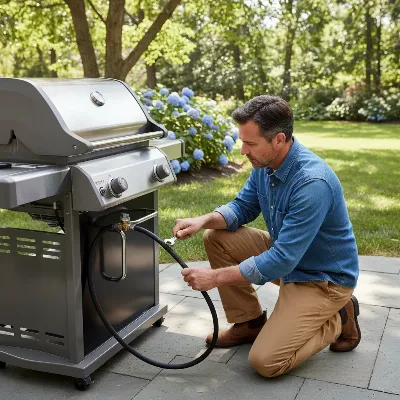
Is your beloved gas grill struggling to deliver that perfect sear, leaving you with unevenly cooked food and dwindling enthusiasm for outdoor cooking? You’re not alone. Over time, the burner tubes in even the most robust gas grills can succumb to rust, corrosion, and wear, leading to inconsistent heat and inefficient performance. Rather than replacing your entire unit, understanding how to replace these vital components can breathe new life into your old gas grill, saving you money and rekindling your passion for grilling. This guide will walk you through the entire process, ensuring your grill is back to peak condition, delivering delicious meals for years to come.
When to Replace Your Gas Grill Burner Tubes
Recognizing the signs of worn-out gas grill burner tubes is the first step toward a successful replacement. Ignoring these indicators can lead to frustrating cooking experiences and even safety hazards. Typically, if your grill is over three years old, it’s a good idea to perform a regular inspection.
Common Signs Your Burner Tubes Need Replacing:
- Uneven Heating: If certain areas of your cooking surface are significantly hotter or colder than others, it’s a strong indicator that gas flow through the burner ports is compromised.
- Yellow or Orange Flames: Healthy gas grill flames should be predominantly blue with only a slight yellow tip. Excessive yellow or orange flames suggest improper gas-to-air mixture, often due to clogged or damaged burner ports.
- Low Flame or Weak Heat: If your grill struggles to reach high temperatures or the flames appear weak even on a high setting, the burners may be extensively corroded or blocked.
- Visible Rust Holes or Cracks: Physically inspect your burner tubes. Any visible holes, cracks, or severe rust indicates material degradation, which can lead to dangerous gas leaks and uneven flame distribution.
- Flame Coming from Unusual Places: Gas escaping from the sides or underneath the burner tubes, rather than the intended ports, is a critical safety concern and a clear sign of burner tube failure.
- Longer Preheat Times: A grill that takes significantly longer than usual to reach cooking temperature often points to inefficient burners struggling to produce adequate heat.
Addressing these issues promptly not only restores your grill’s performance but also prevents minor problems from escalating into costly repairs or potential dangers.
Essential Tools and Replacement Parts
Before embarking on your gas grill burner tube replacement project, gathering the correct tools and parts is crucial for a smooth and efficient process. Having everything at hand will prevent interruptions and ensure your safety.
Tools You’ll Need:
- Phillips Head Screwdriver: Essential for removing control panel screws and other fasteners.
- Needle-Nose Pliers: Useful for detaching cotter pins, igniter wires, or manipulating small, tight components.
- Wire Brush: Indispensable for cleaning the grill’s interior and any reusable components.
- Small Drill Bit or Paperclip: Handy for clearing clogged burner ports if you are cleaning existing burners, or for cleaning the orifice if necessary.
- Flat Head Screwdriver: Can assist in prying off stubborn components or detaching certain igniter types.
- Work Gloves: Protect your hands from sharp edges and grease.
- Flashlight: To illuminate dark areas inside the grill.
- Soap and Water Solution in a Spray Bottle: Absolutely essential for leak detection.
Choosing the Right Replacement Burner Tubes:
Selecting the correct burner tubes is paramount for compatibility and performance. There are generally two types:
- OEM (Original Equipment Manufacturer) Parts: These are specific to your grill’s brand and model, offering a guaranteed fit and performance identical to the original. They are often more expensive but provide peace of mind.
- Universal Replacement Parts: More affordable and designed to fit a range of grills. While cost-effective, it’s vital to carefully check the dimensions, shape (U-shaped, H-shaped, straight, P-shaped), and venturi tube length to ensure proper fitment with your grill’s manifold orifices and existing structure. Incorrectly sized universal tubes can lead to poor performance or gas leaks.
Always consult your grill’s manual for specific part numbers or dimensions before purchasing. A quick online search with your grill’s make and model can often lead you to the exact replacements needed.
Safety First: Preparations Before You Begin
Safety is paramount when working with gas appliances. Neglecting proper precautions can lead to serious injury or property damage. Always prioritize these steps before touching any part of your gas grill.
Critical Safety Steps:
- Turn Off the Gas Supply: Locate the main gas valve on your propane tank or the natural gas line leading to your grill and turn it completely off. For propane tanks, disconnect the regulator hose from the tank. This is the single most important step.
- Ensure the Grill is Completely Cool: Attempting to work on a hot grill can result in severe burns. Allow ample time for the grill to cool down entirely, ideally several hours after its last use.
- Work in a Well-Ventilated Area: While replacing burner tubes doesn’t typically involve active gas flow, ensuring good ventilation is always a wise practice when dealing with gas appliances.
- Clear the Area of Open Flames and Sparks: This includes cigarettes, lighters, and anything that could ignite residual gas. The final leak test requires absolute vigilance.
- Read Your Grill’s Manual: While this guide provides general steps, your specific grill model may have unique fasteners or assembly methods. Referencing your manual can save time and prevent damage.
By strictly adhering to these safety guidelines, you create a secure environment for your repair, protecting yourself and your property.
Step-by-Step Guide to Replacing Gas Grill Burner Tubes
Replacing your gas grill burner tubes is a manageable DIY project that can revitalize your old grill. Follow these steps carefully, taking your time with each stage.
Accessing the Grill Interior
Your first task is to expose the internal components of your gas grill, including the old burner tubes.
- Remove Cooking Grates and Flavorizer Bars/Heat Shields: Open the grill lid. Carefully lift out the cooking grates and set them aside. Beneath them, you’ll find metal plates or bars, often called flavorizer bars or heat shields. Remove these as well. This reveals the burner tubes directly.
- Detach Control Knobs and Control Panel: Gently pull off the control knobs from the front of your grill. They usually slide off without tools. Next, the control panel may be held by screws or clips. Use a Phillips screwdriver to remove any visible screws. Some panels might have push-in buttons; carefully pull the panel towards you. Once the panel is loose, you might need to detach igniter wires connected to the back of the control buttons. Note their positions for reassembly.
- Disconnect the Manifold and Valve Assembly: The manifold is the horizontal gas pipe running along the front of the grill, connected to the control valves. It delivers gas to the burner tubes. There will be nuts or screws holding the manifold bracket to the cookbox. Unhook or unscrew these fasteners to gently pull the manifold assembly away from the burner tubes. Be careful not to bend or damage the gas lines.
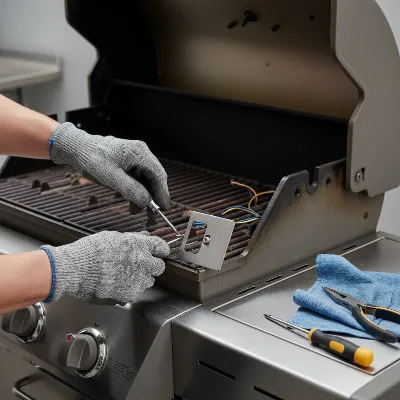 A person carefully disassembling a gas grill to access burner tubes, showing removed grates and control panel.
Disconnecting and Removing Old Burners
With the grill’s interior exposed, you can now remove the faulty burner tubes.
- Identify Burner Fasteners: Burner tubes are typically held in place by screws, cotter pins, or guide screws. Look for small screws at the rear of each burner or cotter pins securing them to the grill body. Some designs simply slide into position.
- Remove Fasteners: If screws are present, loosen or remove them. For cotter pins, use needle-nose pliers to straighten the ends and pull them out. If the burners are held by guide screws, you may only need to slide the burner assembly out from underneath them without loosening the screws.
- Separate and Remove Burner Tubes: Gently lift and twist the old burner tubes to separate them from any crossover tubes (smaller tubes connecting main burners for even ignition) and to disengage them from the gas orifices at the manifold. Carefully slide the entire burner assembly out of the cookbox. If they are heavily rusted, they may break apart; collect all pieces.
> “Always remember to note the orientation of your old burner tubes, especially how the gas ports are facing. The new burners need to be installed in the exact same way to ensure optimal flame pattern and heat distribution.” – Admin, ReviewLyze.com Expert
Cleaning the Grill’s Interior
This is a critical step often overlooked. With the burners out, you have unparalleled access to clean the accumulated grease, rust flakes, and debris.
- Scrape and Brush: Use your wire brush and a scraper to thoroughly clean the bottom of the grill’s cookbox. Remove any hardened grease or rust. Pay special attention to the areas around the manifold orifices, ensuring they are clear of obstructions.
- Clear Venturi Tubes/Orifices: Inspect the gas orifices (small brass fittings at the end of the gas valves where the burner tubes connect). Ensure they are clear of spiderwebs or debris. A small drill bit or paperclip can be used gently to clear any blockages, but be careful not to enlarge the orifice.
Installing New Burner Tubes
Now it’s time to install your shiny new burner tubes. This is essentially the reverse of the removal process.
- Align New Burners: Carefully slide the new burner tubes into the cookbox. Ensure the gas ports (small holes) are facing upwards or in the same direction as the original burners. Align the end of each burner tube with its corresponding gas orifice on the manifold assembly. The venturi tube (the wider section of the burner tube) should fit snugly over the orifice.
- Secure Burner Tubes: Reattach any cotter pins or screws that hold the burners in place. If your grill uses guide screws, slide the burner assembly back under them. Ensure all burners are firmly seated and properly aligned. Reconnect any crossover tubes if applicable.
- Reconnect Igniter Wires: If your igniter electrodes are separate, ensure they are positioned correctly to spark near the new burner tubes. Reattach any igniter wires to the burners or their designated clips.
Reassembling Your Grill
The final stages involve putting everything back together and performing essential safety checks.
- Reattach Manifold and Control Panel: Carefully push the manifold and valve assembly back into position, ensuring the burner tubes remain properly seated over the orifices. Secure the manifold bracket with its screws or nuts. Reconnect the igniter wires to the control panel, then reattach the control panel with its screws or clips. Push the control knobs back onto their posts.
- Reinstall Flavorizer Bars and Cooking Grates: Place the heat shields or flavorizer bars back over the burner tubes. Finally, set the cooking grates back onto their supports.
Testing Your New Burners and Checking for Leaks
After reassembly, a critical safety check and functional test are absolutely necessary before you use your grill for cooking. This ensures there are no gas leaks and your new burners are working correctly.
Performing a Leak Test:
- Reconnect Gas Supply: Reattach your propane tank regulator or turn on your natural gas supply line.
- Prepare Soap and Water Solution: Mix a generous amount of dish soap with water in your spray bottle to create a sudsy solution.
- Apply to Connections: With the gas supply on but the grill not ignited, spray the soap solution generously over all gas connections you disassembled, including where the manifold connects to the valves, and where the hose connects to the regulator/tank.
- Check for Bubbles: Watch carefully for bubbles forming or growing at any connection point. Bubbles indicate a gas leak.
- Address Leaks: If you see bubbles, immediately turn off the gas supply. Tighten the offending connection, then repeat the soap and water test. Never use an open flame to check for leaks. If a leak persists after tightening, do not use the grill and contact a qualified technician.
Testing Burner Function:
- Open Lid and Ignite: Ensure the grill lid is open. Turn on one burner to the “high” setting and attempt to ignite it using the igniter button.
- Observe Flame Pattern: Once lit, observe the flame. It should be a strong, even blue flame across the entire length of the burner tube, with only faint yellow tips. If the flame is weak, uneven, or excessively yellow/orange, turn off the gas and investigate the burner’s alignment with the orifice or check for blockages.
- Test All Burners: Repeat the ignition and flame observation process for each burner individually, then try lighting them all together. If everything looks good, your gas grill is ready for its next cookout!
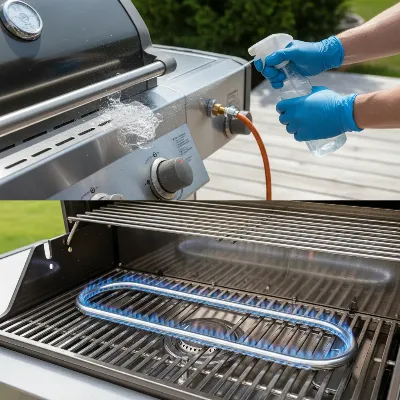 A person performing a leak test on a gas grill connection with soapy water, and then checking for a proper blue flame from the newly installed burner tubes.
Maintaining Your Gas Grill Burners for Longevity
Replacing your gas grill burner tubes is a significant step towards restoring your grill, but proper ongoing maintenance will extend their lifespan and ensure consistent performance. A little care goes a long way in preventing future issues.
Key Maintenance Practices:
- Regular Cleaning: After every few uses, remove your cooking grates and flavorizer bars to brush off any food debris and grease from the burner tubes. A simple wire brush can effectively clear the tiny gas ports, preventing clogs.
- Clear Venturi Tubes: Periodically check the venturi tubes (the wider part of the burner that connects to the gas valve) for insect nests, particularly spiders. These can block gas flow and lead to yellow flames or even flash fires. A venturi brush or a stiff wire can be used to clear them.
- Inspect for Corrosion: During your cleaning routine, visually inspect the burner tubes for early signs of rust or corrosion. Addressing small spots with gentle cleaning can sometimes slow down degradation.
- Use a Grill Cover: Protect your grill from the elements when not in use. A good quality grill cover will shield it from rain, snow, and excessive moisture, which are primary contributors to rust and corrosion on metal components like burner tubes.
- Proper Storage: If storing your grill for an extended period, especially during winter, ensure it’s clean and dry. Disconnect the propane tank and store it upright outdoors, away from direct sunlight or extreme temperatures.
By integrating these simple maintenance habits into your grilling routine, you’ll not only enjoy a safer and more efficient grilling experience but also significantly prolong the life of your new gas grill burner tubes.
Conclusion
Replacing the burner tubes on your old gas grill is a practical and rewarding project that can dramatically extend the life of your beloved outdoor appliance. By following a systematic approach, prioritizing safety, and using the right tools and replacement parts, you can restore your grill’s performance to its former glory. This not only saves you the expense of buying a new grill but also empowers you with a deeper understanding of your equipment. With properly functioning burner tubes, you’ll once again enjoy consistent heat, even cooking, and the sheer joy of perfectly grilled meals. So, are you ready to bring that powerful sizzle back to your backyard?
Câu Hỏi Thường Gặp
How often should I replace gas grill burner tubes?
The lifespan of gas grill burner tubes varies based on material quality, usage frequency, and maintenance, but they typically last between 3 to 5 years. Regular inspection for rust, cracks, or uneven flames will help you determine the optimal replacement time.
Can I use universal burner tubes in any gas grill?
Universal burner tubes can fit many grills, but careful measurement and comparison with your original burners are crucial. Ensure the length, shape, and venturi tube diameter match your grill’s specifications to guarantee proper gas flow and ignition.
What causes gas grill burner tubes to rust?
Exposure to moisture, acidic marinades, and high heat cycling are primary causes of rust and corrosion in Gas Grill burner tubes. Consistent cleaning and covering your grill when not in use can significantly reduce wear.