Few things are more disheartening for a grill master than opening the lid to find your once-pristine gas grill grates marred by rust. This unwelcome sight not only compromises the appearance of your grill but also raises concerns about food safety and cooking performance. But don’t fret! Revitalizing your rusty grates is often simpler than you imagine, and can be achieved safely at home with common household items. This comprehensive guide will equip you with the knowledge and techniques to effectively remove rust, ensuring your grilling experience remains top-notch, delicious, and worry-free.
Understanding Rust on Gas Grill Grates
Rust, scientifically known as iron oxide, is a corrosive process that occurs when iron or steel comes into contact with oxygen and moisture. Gas grill grates, particularly those made from cast iron or enamel-coated iron, are highly susceptible to rust due to their frequent exposure to the elements, temperature fluctuations, and food residues. Heat cycles from grilling cause the metal to expand and contract, creating microscopic cracks where moisture can seep in and accelerate corrosion. Food particles and grease can also trap moisture, creating prime conditions for rust formation.
The question of whether it’s safe to cook on rusty grates is a common one. While ingesting small amounts of iron oxide is generally not considered toxic, health organizations like the USDA advise against cooking with rusty utensils due to the potential for harmful bacteria and an unpleasant metallic taste in your food. More concerning are scenarios where chrome plating on grates chips off or wire brush bristles break and get into food. Additionally, rust can compromise the structural integrity of your grates, leading to uneven cooking surfaces and diminished performance. It’s always best practice to clean or replace rusted components before grilling.
Essential Tools and Materials for Rust Removal
Tackling rust effectively requires the right arsenal of tools and cleaning agents. Fortunately, many of these are likely already in your pantry or garage, providing safe and accessible solutions.
Tools:
- Grill Brush: Choose a stiff wire brush for durable cast iron grates, or a softer, non-metallic bristled brush (e.g., nylon or brass) or abrasive sponge for stainless steel or porcelain-coated grates to prevent scratching their finish.
- Aluminum Foil: A crumpled ball of heavy-duty aluminum foil can act as an effective scrubber.
- Large Tub or Garbage Bag: Essential for soaking grates in cleaning solutions.
- Gloves and Safety Glasses: Protect your hands and eyes from cleaning solutions and rust flakes.
- Sponges or Cloths: For applying pastes and wiping down grates.
- Bucket and Water: For rinsing and general cleaning.
Cleaning Materials (Natural Solutions):
- Distilled White Vinegar: A mild acid that helps dissolve rust.
- Baking Soda: An abrasive yet gentle powder that reacts with acids to lift rust.
- Table Salt or Coarse Salt: Provides abrasive power.
- Lemon Juice: Another natural acid that aids in rust removal.
- Dish Soap: Helps cut through grease and grime.
- Cooking Oil: (e.g., vegetable, canola, grapeseed, flaxseed) For seasoning grates after cleaning to prevent future rust.
Step-by-Step Methods for Cleaning Rusty Gas Grill Grates
Before you begin any cleaning method, ensure your gas grill is completely cool and disconnected from its gas supply. Carefully remove the grates from the grill. It’s advisable to lay down a tarp or old newspaper in your workspace to collect any rust flakes or cleaning solutions, making cleanup easier.
Method 1: The Vinegar and Baking Soda Paste (Most Versatile)
|
Our Picks for the Best Gas Grill in 2026
As an Amazon Associate I earn from qualifying purchases.
|
||
| Num | Product | Action |
|---|---|---|
| 1 | 2 Burner Propane Gas Grill with 26,500 BTUs Output, Porcelain-Enamel Main Body and Lid, Propane BBQ Grill with Warming Rack & Side Tables for Patio, Backyard, Poolside Gatherings |

|
| 2 | Tabletop Gas Grill 3-Burner, 22-inch Portable Propane Grill, 30,000 BTUs Stainless Steel Grill with Foldable Legs, Ideal for BBQ, Camping, Patio, Backyard, Tailgate, and Holiday Gatherings |
|
| 3 | GasOne GP-1030S One 3 Burner Stainless Steel– Outdoor Cabinet Style with Wheels-High-Temperature Paint Coating Gas BBQ Grill – Elegant and Luxurious Design, Black |
|
| 4 | WAA Portable Propane Griddle, Tabletop Portable Propane Gas Grill, Stainless Steel Flat Top Grill, Outdoor Cooking for Tailgating,Camping, RVs, BBQ, Patio, Silver (3-Burner-2) |
|
| 5 | Monument Grills 4 Burner Propane Gas Grill, Stainless Steel Outdoor Patio Barbecue Grill, with Broil Zone Fast Heating, Knob Control, and Easy Cleanup, M410MBZ |
|
| 6 | Cuisinart Chef's Style Tabletop Portable Propane Grill, 20,000 BTU Stainless Steel 2-Burner Outdoor Gas Grill for Camping, Tailgates, BBQ, Hassle-Free Setup, Twist-Start Ignition, CGG-306 |
|
| 7 | Endark 4-burner propane gas grill | Stainless steel construction | Dual side racks and wheels | Designed for patio, garden, and backyard cooking |
|
| 8 | Black Portable Gas Grill, Dual 10,000 BTU Burners, 275 Sq.In Cooking Space, Push-to-Start Ignition, Wind-Proof Lid with Built-in Thermometer, Perfect for Camping Tailgates & Backyard BBQ Cookouts |
|
| 9 | Endark 3-burner Propane Gas Grill | 37,000 BTU Stainless Steel with Side-iFre Function | with Enameled Cast Iron Grate,Thermometer and Side Stand Wheels | Great for Patio and Garden Outdoor Cooking |
|
| 10 | R.W.FLAME 4-Burner Propane Gas Grill with Side Burner, Stainless Steel Propane Grill 42000BTU for Outdoor Cooking, with Porcelain-Enameled Cast Iron Grates, Baking Pan, Silver |
|
This popular DIY method leverages the chemical reaction between vinegar and baking soda to create carbonic acid, which is excellent at dissolving and breaking down rust and grease.
- Prepare the Paste: In a non-metallic bowl, mix two parts baking soda with one part distilled white vinegar (e.g., ½ cup baking soda to ¼ cup vinegar). Stir until a thick, spreadable paste forms. Adjust the ratios slightly to achieve the desired consistency.
- Apply to Grates: Using a brush or a sponge, generously apply the paste to all rusty areas of your grill grates, ensuring they are fully covered.
- Let it Sit: Allow the paste to work its magic for at least 15-30 minutes. For heavily rusted grates, you might let it sit for a few hours.
- Scrub Away Rust: With your chosen scrubbing tool—steel wool or a stiff wire brush for cast iron, or a non-metallic scrubber/aluminum foil for coated grates—firmly scrub the grates. The abrasive action, combined with the paste, will help lift and remove the rust.
- Rinse and Dry: Rinse the grates thoroughly with warm, soapy water to remove all residue. Dry them completely with a clean cloth or paper towels to prevent immediate re-rusting.
Method 2: The Salt and Vinegar Soak (For Heavy Rust)
For grates with significant rust buildup, an overnight soak can be incredibly effective at loosening stubborn corrosion.
- Prepare the Solution: In a large utility sink or plastic tub (large enough to fully submerge your grates), mix two parts distilled white vinegar with one part regular table salt.
- Submerge Grates: Place the rusty grates into the mixture, ensuring they are completely submerged.
- Soak Overnight: Let the grates soak for at least 8 hours, or ideally, overnight. The vinegar and salt will work together to dissolve the oxidized metal.
- Scrub and Rinse: The next morning, much of the rust should have softened or dissolved. Use steel wool, a stiff brush, or leftover salt as an abrasive to remove any remaining rust. Rinse the grates thoroughly with warm, soapy water and dry them completely.
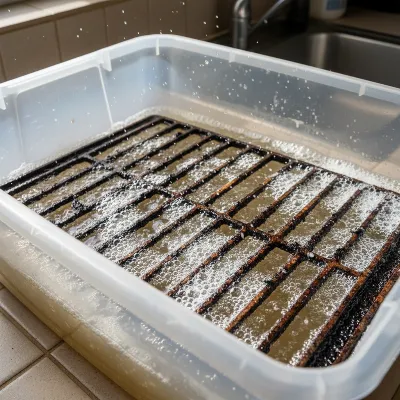 Rusty gas grill grates soaking in a tub of vinegar and baking soda solution
Method 3: Baking Soda and Water Paste (For Mild Rust)
This simpler baking soda paste is ideal for light surface rust or as a gentle cleaning option for more delicate grates.
- Make the Paste: Mix 1 ½ cups of baking soda with ½ cup of water to create a thick, spreadable paste.
- Apply and Wait: Cover the rusty areas of the grates with the paste and let it sit for several minutes.
- Scrub with Foil: Crumple a sizable piece of aluminum foil into a ball (about 2-3 feet long). Use this foil ball to scrub the baking-soda-covered grates, working up and down each wire and across the grate. A non-metallic brush can also be used, especially for porcelain-coated grates.
- Rinse and Dry: Rinse the grates thoroughly and dry them completely to prevent new rust.
Method 4: Lemon and Salt Scrub (Food-Safe Abrasive)
Harnessing the natural acidity of lemon juice and the abrasive quality of salt, this method offers a food-safe approach to rust removal, similar to maintaining cast-iron skillets.
- Prepare the Scrub: Squeeze two lemons (approximately ½ cup of juice) into a bowl, then add ¼ cup of coarse salt to create a thick, gritty scrub.
- Apply and Rub: Apply the mixture to the rusty sections of your grates using a cloth or even half a lemon as a scrubber.
- Let it Penetrate: Allow the solution to settle for about 30 minutes, giving the lemon’s acid time to work on the rust.
- Scrub, Rinse, and Dry: Scrub the grates with a brush or the lemon half, then rinse thoroughly with warm water and ensure they are completely dry before storing or re-seasoning.
Wire Brush/Scraping (For Light Surface Rust or Initial Removal)
For surface-level rust or to loosen heavily caked-on debris before a deep clean, a sturdy grill brush is invaluable.
- Warm Grates: If safe, slightly heat your grill (if gas) for a few minutes to help loosen rust and charred food particles.
- Brush Vigorously: Using a stiff wire brush (for cast iron) or a non-metallic brush (for other materials), vigorously scrub the rusty areas. Apply consistent pressure to remove loose rust and flakes.
- Wipe Clean: After brushing, wipe the grates with a damp cloth to remove any remaining debris. This method is often a precursor to a more thorough cleaning process.
Post-Cleaning Care and Seasoning
After diligently cleaning your grill grates, proper post-cleaning care is paramount, especially for cast iron, to protect them from future rust and maintain a non-stick surface.
Seasoning involves applying a thin layer of cooking oil and heating it, which creates a polymerized, protective coating. For cast iron grates:
- Choose Your Oil: Use a high smoke point cooking oil such as vegetable oil, canola oil, grapeseed oil, or flaxseed oil.
- Apply Thinly: Apply a very thin, even layer of oil over the entire surface of the clean, dry grates. Avoid excess oil, as it can become sticky.
- Heat the Grates: Place the oiled grates back in the grill and heat your gas grill to a medium-high temperature (around 350-400°F or 175-200°C) for about 30-60 minutes, until the oil stops smoking. This bakes the oil onto the metal, creating the protective layer.
- Repeat (Optional): For best results, especially with new or heavily cleaned cast iron, you can repeat the oiling and heating process a few times.
For stainless steel and porcelain-coated grates, seasoning isn’t strictly necessary for rust prevention in the same way it is for cast iron, but a light wipe with cooking oil can help maintain their finish and non-stick properties. Always ensure these grates are thoroughly dry after cleaning.
Preventing Future Rust on Your Gas Grill Grates
The best way to deal with rust is to prevent it from forming in the first place. Incorporating a few simple habits into your grilling routine can significantly extend the life of your grates.
- Regular Cleaning After Each Use: Scrape your grates with a grill brush after every cookout while they are still warm. This removes food residues before they can harden and trap moisture.
- Thorough Drying: Always ensure your grates are completely dry after washing or exposure to moisture. Standing water is a primary cause of rust.
- Use a Grill Cover: A high-quality, weather-resistant grill cover protects your grill from rain, humidity, and dew, which are major contributors to corrosion.
- Proper Storage: If possible, store your grill in a dry, sheltered area during off-seasons or extended periods of non-use.
- Consider Rust-Resistant Materials: When it’s time to replace grates, consider upgrading to stainless steel options, which are naturally more resistant to rust.
> “Consistent care and proper drying are your best defense against rust. A few minutes after each cookout can save you hours of scrubbing later on.” – Admin, ReviewLyze.com, Grill Maintenance Specialist
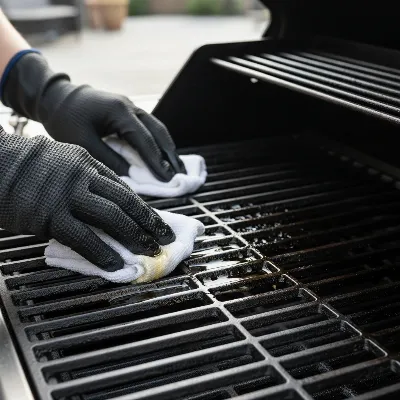 A person carefully seasoning a clean gas grill grate with cooking oil using a cloth
Conclusion
Rust on your Gas Grill grates might seem like an inevitable adversary, but with the right knowledge and a little effort, it’s a battle you can easily win. From the fizzing power of vinegar and baking soda to the simple yet effective scrub of lemon and salt, there are safe and natural methods to restore your grates to their grilling glory. Remember that consistent cleaning, thorough drying, and proper storage are your greatest allies in the ongoing fight against corrosion. By implementing these tips, you’ll not only extend the lifespan of your grill but also ensure every meal cooked on it is delicious, healthy, and a true testament to your grilling expertise. So, clean those grates, fire up your grill, and get ready for another fantastic BBQ season! What culinary masterpiece will you create on your revitalized grill next?
Frequently Asked Questions
Can I use commercial rust removers on my gas grill grates?
Yes, commercial rust removers can be effective, but it is crucial to select products specifically labeled as non-toxic and food-safe. Always follow the manufacturer’s instructions carefully and ensure thorough rinsing to remove all chemical residues before cooking.
How often should I clean my gas grill grates for rust prevention?
For optimal rust prevention and hygiene, it’s recommended to give your grill grates a quick brush after every use while they are still warm. A more thorough deep clean, including rust treatment if needed, should be performed at least once per grilling season or as soon as rust becomes noticeable.
What type of oil is best for seasoning grill grates after cleaning?
For seasoning cast iron grill grates, oils with a high smoke point are best, such as vegetable oil, canola oil, grapeseed oil, or flaxseed oil. These oils polymerize effectively, creating a durable, non-stick, and rust-protective layer. Avoid olive oil as it has a lower smoke point and can become sticky.
Is it unhealthy to cook on rusty grill grates?
While ingesting small amounts of iron oxide (rust) is generally not toxic, cooking on rusty grates can impart an unpleasant metallic taste to your food and potentially harbor harmful bacteria. Furthermore, flakes of rust or chipping grate material could stick to food, posing a minor health risk. It’s always safest to clean or replace rusty grates before use.