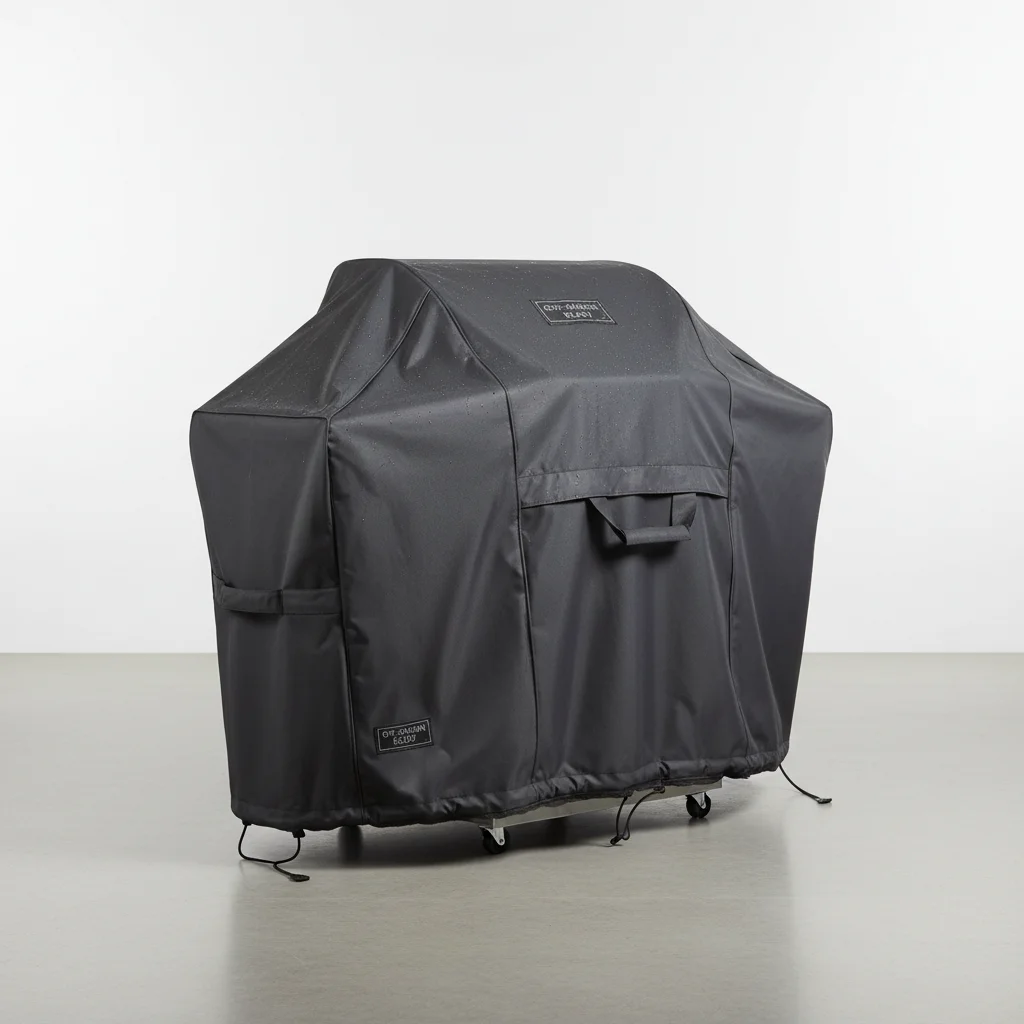
Proper gas grill storage is crucial for extending the lifespan of your outdoor cooking appliance and ensuring it’s ready for use when the grilling season returns. To effectively store your gas grill, you should perform a thorough cleaning, disconnect and store the propane tank separately, cover the grill with a high-quality, weather-resistant cover, and ideally move it to a sheltered location like a garage or shed.
Why Proper Grill Storage Matters
Neglecting proper storage can lead to premature wear and tear, rust formation, and even pest infestations. Exposure to harsh weather elements such as rain, snow, and extreme temperatures can damage components like burners, grates, and igniters, leading to costly repairs or replacements. A well-stored grill will not only last longer but also perform better, providing consistent heat and flavor for your meals.
Essential Steps for Off-Season Preparation
Before putting your grill into storage, a comprehensive cleaning is paramount. Start by burning off any residual food on the grates, then use a grill brush to scrape them clean. Remove the grates and flavorizer bars to clean the burner tubes and the inside of the firebox. A degreaser can be effective for stubborn grease buildup. Ensure all components are completely dry before reassembling to prevent rust.
Propane Tank Handling and Safety
For safety reasons, always disconnect your propane tank from the grill before storage. If you’re storing the grill indoors, the propane tank must be stored outdoors, in an upright position, and away from direct sunlight or heat sources. Never store a propane tank in an enclosed space like a basement or garage. For natural gas grills, ensure the gas line is shut off at the source.
Choosing the Right Grill Cover and Location
|
Our Picks for the Best Gas Grill in 2026
As an Amazon Associate I earn from qualifying purchases.
|
||
| Num | Product | Action |
|---|---|---|
| 1 | Black Portable Gas Grill, Dual 10,000 BTU Burners, 275 Sq.In Cooking Space, Push-to-Start Ignition, Wind-Proof Lid with Built-in Thermometer, Perfect for Camping Tailgates & Backyard BBQ Cookouts |

|
| 2 | Endark 4-burner propane gas grill | Stainless steel construction | Dual side racks and wheels | Designed for patio, garden, and backyard cooking |
|
| 3 | 2 Burner Propane Gas Grill with 26,500 BTUs Output, Porcelain-Enamel Main Body and Lid, Propane BBQ Grill with Warming Rack & Side Tables for Patio, Backyard, Poolside Gatherings |
|
| 4 | Cuisinart Chef's Style Tabletop Portable Propane Grill, 20,000 BTU Stainless Steel 2-Burner Outdoor Gas Grill for Camping, Tailgates, BBQ, Hassle-Free Setup, Twist-Start Ignition, CGG-306 |
|
| 5 | Monument Grills 4 Burner Propane Gas Grill, Stainless Steel Outdoor Patio Barbecue Grill, with Broil Zone Fast Heating, Knob Control, and Easy Cleanup, M410MBZ |
|
| 6 | Tabletop Gas Grill 3-Burner, 22-inch Portable Propane Grill, 30,000 BTUs Stainless Steel Grill with Foldable Legs, Ideal for BBQ, Camping, Patio, Backyard, Tailgate, and Holiday Gatherings |
|
| 7 | Endark 3-burner Propane Gas Grill | 37,000 BTU Stainless Steel with Side-iFre Function | with Enameled Cast Iron Grate,Thermometer and Side Stand Wheels | Great for Patio and Garden Outdoor Cooking |
|
| 8 | R.W.FLAME 4-Burner Propane Gas Grill with Side Burner, Stainless Steel Propane Grill 42000BTU for Outdoor Cooking, with Porcelain-Enameled Cast Iron Grates, Baking Pan, Silver |
|
| 9 | GasOne GP-1030S One 3 Burner Stainless Steel– Outdoor Cabinet Style with Wheels-High-Temperature Paint Coating Gas BBQ Grill – Elegant and Luxurious Design, Black |
|
| 10 | WAA Portable Propane Griddle, Tabletop Portable Propane Gas Grill, Stainless Steel Flat Top Grill, Outdoor Cooking for Tailgating,Camping, RVs, BBQ, Patio, Silver (3-Burner-2) |
|
A durable, weather-resistant grill cover is your first line of defense against the elements. Look for covers made from heavy-duty polyester or vinyl with UV protection and ventilation to prevent moisture buildup. While a cover offers protection, storing your grill in a sheltered area like a garage, shed, or covered patio provides an additional layer of security against extreme weather and potential theft. If outdoor storage is unavoidable, consider placing it against a wall or under an overhang.
- Thoroughly clean all grill components, including grates, burners, and drip trays.
- Disconnect and store propane tanks outdoors in an upright position.
- Apply a light coat of cooking oil to cast iron grates to prevent rust.
- Invest in a high-quality, weather-resistant grill cover with UV protection.
- Store the grill in a sheltered location like a garage or shed if possible.
Pre-Season Inspection and Maintenance
When it’s time to bring your grill out of storage, perform a quick inspection. Check for any signs of rust, damage to hoses, or blockages in the burner tubes. Clean any dust or debris that may have accumulated. Reconnect your propane tank or open the natural gas line, and perform a leak test using a soapy water solution on all connections. This ensures your grill is safe and ready for another season of delicious cooking.
Long-Term Storage Tips for Longevity
For those planning to store their grill for an extended period, consider removing smaller, more delicate components like igniters and storing them indoors in a dry place. This prevents corrosion and extends their lifespan. If your grill has side shelves or a warming rack, ensure they are securely folded or removed if possible to minimize the grill’s footprint and protect them from accidental damage. Regularly check on your stored grill, especially during periods of extreme weather, to ensure the cover is intact and no moisture has seeped in.
