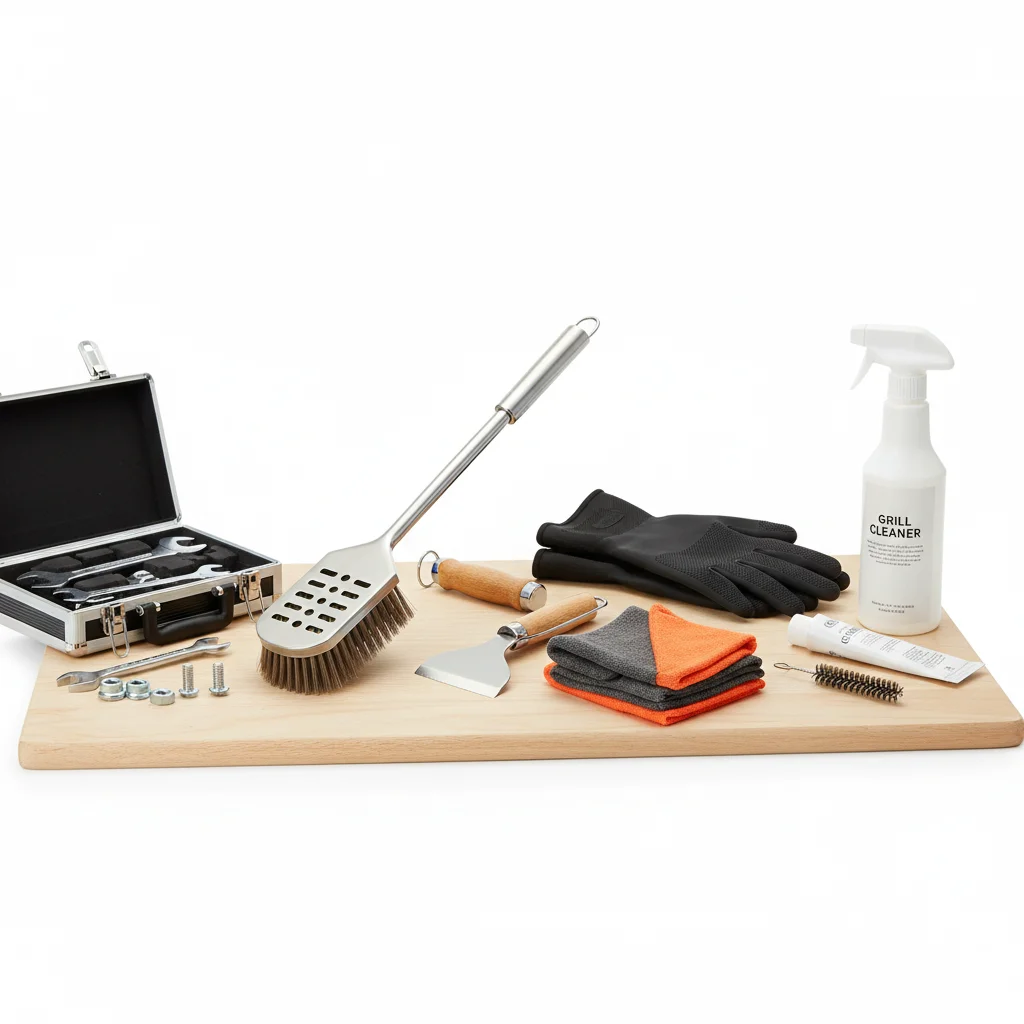
Maintaining your gas grill is crucial for its longevity and optimal performance. A comprehensive gas grill maintenance checklist involves 7 key areas to ensure your grill operates safely and efficiently, delivering delicious results every time you cook. Regular upkeep not only extends the life of your investment but also prevents common issues like uneven heating and flare-ups, making your grilling experience more enjoyable and hassle-free.
Pre-Season Checklist: Preparing for Grilling Season
Before firing up your grill for the first time each season, a thorough inspection is essential. Begin by checking all gas lines and connections for any cracks, leaks, or obstructions. A simple soap and water solution can help identify gas leaks; look for bubbles forming at the connections. Next, inspect the igniter to ensure it sparks reliably. Clean out any spiderwebs or debris from the burner tubes, as these can impede gas flow and cause uneven flames. Finally, give the entire grill exterior a good wipe down to remove accumulated dust and grime from its winter storage.
Post-Cook Cleaning: Essential After Every Use
After each grilling session, immediate cleaning prevents food residue from hardening and becoming more difficult to remove. While the grates are still warm, use a stiff-bristled grill brush to scrape off any food particles. This simple step significantly reduces the buildup of carbon and grease. For stubborn spots, consider using a grill scraper. Once the grates have cooled, wipe them down with a damp cloth. Regularly emptying the grease tray is also vital to prevent grease fires and maintain hygiene. This quick routine takes only a few minutes but makes a big difference in the long run.
Deep Cleaning Procedures: Quarterly or Bi-Annually
Beyond routine cleaning, your gas grill benefits from a deeper clean a few times a year, depending on usage. This involves removing the grates, flame tamers (or heat tents), and burner tubes. Soak the grates and flame tamers in warm, soapy water to loosen baked-on grease and food. Use a non-abrasive scrubber to clean them thoroughly. For the burner tubes, gently brush off any debris and ensure the gas ports are clear. Inspect the interior of the firebox for any excessive grease buildup and scrape it away. This deep cleaning ensures all components are functioning correctly and extends their lifespan.
Component Inspection and Replacement: When to Upgrade
|
Our Picks for the Best Gas Grill in 2026
As an Amazon Associate I earn from qualifying purchases.
|
||
| Num | Product | Action |
|---|---|---|
| 1 | Tabletop Gas Grill 3-Burner, 22-inch Portable Propane Grill, 30,000 BTUs Stainless Steel Grill with Foldable Legs, Ideal for BBQ, Camping, Patio, Backyard, Tailgate, and Holiday Gatherings |

|
| 2 | R.W.FLAME 4-Burner Propane Gas Grill with Side Burner, Stainless Steel Propane Grill 42000BTU for Outdoor Cooking, with Porcelain-Enameled Cast Iron Grates, Baking Pan, Silver |
|
| 3 | 2 Burner Propane Gas Grill with 26,500 BTUs Output, Porcelain-Enamel Main Body and Lid, Propane BBQ Grill with Warming Rack & Side Tables for Patio, Backyard, Poolside Gatherings |
|
| 4 | WAA Portable Propane Griddle, Tabletop Portable Propane Gas Grill, Stainless Steel Flat Top Grill, Outdoor Cooking for Tailgating,Camping, RVs, BBQ, Patio, Silver (3-Burner-2) |
|
| 5 | Monument Grills 4 Burner Propane Gas Grill, Stainless Steel Outdoor Patio Barbecue Grill, with Broil Zone Fast Heating, Knob Control, and Easy Cleanup, M410MBZ |
|
| 6 | Endark 3-burner Propane Gas Grill | 37,000 BTU Stainless Steel with Side-iFre Function | with Enameled Cast Iron Grate,Thermometer and Side Stand Wheels | Great for Patio and Garden Outdoor Cooking |
|
| 7 | Black Portable Gas Grill, Dual 10,000 BTU Burners, 275 Sq.In Cooking Space, Push-to-Start Ignition, Wind-Proof Lid with Built-in Thermometer, Perfect for Camping Tailgates & Backyard BBQ Cookouts |
|
| 8 | GasOne GP-1030S One 3 Burner Stainless Steel– Outdoor Cabinet Style with Wheels-High-Temperature Paint Coating Gas BBQ Grill – Elegant and Luxurious Design, Black |
|
| 9 | Endark 4-burner propane gas grill | Stainless steel construction | Dual side racks and wheels | Designed for patio, garden, and backyard cooking |
|
| 10 | Cuisinart Chef's Style Tabletop Portable Propane Grill, 20,000 BTU Stainless Steel 2-Burner Outdoor Gas Grill for Camping, Tailgates, BBQ, Hassle-Free Setup, Twist-Start Ignition, CGG-306 |
|
Regularly inspecting key components for wear and tear is a critical part of gas grill maintenance. Burner tubes, igniters, and cooking grates are common parts that may need replacement over time. Look for signs of rust, corrosion, or significant damage. If your burner tubes have large holes or are severely rusted, they will not distribute heat evenly. A faulty igniter can be frustrating, requiring manual lighting. Worn-out grates can lead to food sticking and uneven cooking. Replacing these components promptly can significantly improve your grilling experience and safety.
Winterizing Your Gas Grill: Preparing for Storage
When the grilling season ends, proper winterization protects your grill from the elements. Start by giving it a thorough deep clean, as described above. Disconnect the propane tank and store it in an upright position in a well-ventilated area, away from direct sunlight or heat sources. For natural gas grills, turn off the gas supply at the main valve. Cover your grill with a high-quality, weather-resistant grill cover to protect it from rain, snow, and ice. If possible, store the grill in a garage or shed to further shield it from harsh winter conditions. This preparation ensures your grill is ready for action when spring arrives.
Troubleshooting Common Issues: Quick Fixes
Many common gas grill issues can be resolved with basic maintenance. If your grill isn’t heating evenly, check for clogged burner ports or damaged burner tubes. If the igniter isn’t sparking, ensure the battery (if applicable) is fresh and the igniter wire is securely connected. Low flame or no flame can indicate a problem with the gas regulator or a partially closed gas valve. Always consult your grill’s owner’s manual for specific troubleshooting steps. Addressing these minor issues promptly can prevent them from escalating into larger, more costly problems.
- Inspect gas lines and connections for leaks annually.
- Clean cooking grates immediately after each use.
- Perform a deep clean of the entire grill interior quarterly.
- Check burner tubes and igniters for wear and tear.
- Cover your grill with a protective cover when not in use.
