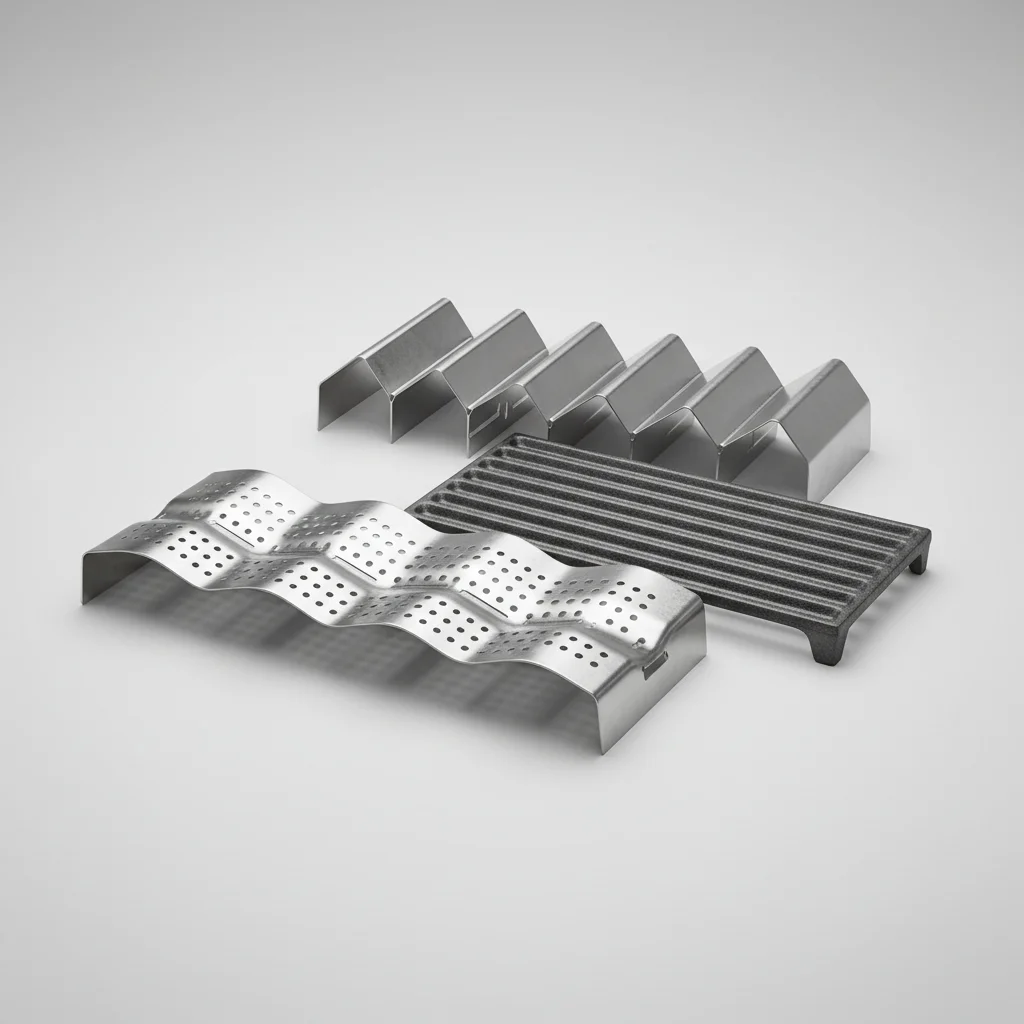
Gas grill heat deflectors are a crucial component for achieving even cooking and preventing flare-ups on your grill. They work by distributing heat more uniformly across the cooking surface, protecting food from direct flame exposure, and vaporizing drippings to create flavorful smoke. There are typically three main types of heat deflectors found in gas grills: ceramic briquettes, metal plates (often called flavorizer bars), and lava rocks. Each type offers distinct advantages in heat distribution and flavor enhancement, making them essential for any serious griller looking to optimize their outdoor cooking experience.
Understanding How Heat Deflectors Work
Heat deflectors, regardless of their material, serve a primary function: to create a barrier between the direct flame of the burners and your food. This barrier prevents hot spots and cold spots, ensuring that your steaks, chicken, and vegetables cook evenly from edge to edge. Without them, food directly above the burners would char quickly, while food on the periphery would cook much slower. They also play a vital role in managing grease drippings. When fat and juices fall onto a hot deflector, they vaporize, creating a smoky flavor that infuses your food, mimicking some of the benefits of charcoal grilling.
Types of Gas Grill Heat Deflectors
The most common types of heat deflectors include ceramic briquettes, metal plates (like Weber’s Flavorizer Bars), and lava rocks. Ceramic briquettes offer excellent heat retention and even distribution, absorbing and radiating heat consistently. Metal plates, often V-shaped, are designed to catch drippings and vaporize them, adding flavor while protecting the burners. Lava rocks, while less common in modern grills, provide a similar function, absorbing and radiating heat, though they can be messier and require more frequent replacement due to grease saturation. Each material has its own lifespan and cleaning requirements, impacting overall grill maintenance.
Benefits of Using Quality Heat Deflectors
|
Our Picks for the Best Gas Grill in 2026
As an Amazon Associate I earn from qualifying purchases.
|
||
| Num | Product | Action |
|---|---|---|
| 1 | 2 Burner Propane Gas Grill with 26,500 BTUs Output, Porcelain-Enamel Main Body and Lid, Propane BBQ Grill with Warming Rack & Side Tables for Patio, Backyard, Poolside Gatherings |

|
| 2 | Cuisinart Chef's Style Tabletop Portable Propane Grill, 20,000 BTU Stainless Steel 2-Burner Outdoor Gas Grill for Camping, Tailgates, BBQ, Hassle-Free Setup, Twist-Start Ignition, CGG-306 |
|
| 3 | R.W.FLAME 4-Burner Propane Gas Grill with Side Burner, Stainless Steel Propane Grill 42000BTU for Outdoor Cooking, with Porcelain-Enameled Cast Iron Grates, Baking Pan, Silver |
|
| 4 | Endark 4-burner propane gas grill | Stainless steel construction | Dual side racks and wheels | Designed for patio, garden, and backyard cooking |
|
| 5 | Endark 3-burner Propane Gas Grill | 37,000 BTU Stainless Steel with Side-iFre Function | with Enameled Cast Iron Grate,Thermometer and Side Stand Wheels | Great for Patio and Garden Outdoor Cooking |
|
| 6 | Monument Grills 4 Burner Propane Gas Grill, Stainless Steel Outdoor Patio Barbecue Grill, with Broil Zone Fast Heating, Knob Control, and Easy Cleanup, M410MBZ |
|
| 7 | WAA Portable Propane Griddle, Tabletop Portable Propane Gas Grill, Stainless Steel Flat Top Grill, Outdoor Cooking for Tailgating,Camping, RVs, BBQ, Patio, Silver (3-Burner-2) |
|
| 8 | GasOne GP-1030S One 3 Burner Stainless Steel– Outdoor Cabinet Style with Wheels-High-Temperature Paint Coating Gas BBQ Grill – Elegant and Luxurious Design, Black |
|
| 9 | Tabletop Gas Grill 3-Burner, 22-inch Portable Propane Grill, 30,000 BTUs Stainless Steel Grill with Foldable Legs, Ideal for BBQ, Camping, Patio, Backyard, Tailgate, and Holiday Gatherings |
|
| 10 | Black Portable Gas Grill, Dual 10,000 BTU Burners, 275 Sq.In Cooking Space, Push-to-Start Ignition, Wind-Proof Lid with Built-in Thermometer, Perfect for Camping Tailgates & Backyard BBQ Cookouts |
|
Investing in high-quality heat deflectors offers several tangible benefits. Firstly, they significantly reduce flare-ups, which occur when grease drips directly onto hot burners, igniting and potentially burning your food. By vaporizing these drippings, deflectors minimize this risk. Secondly, they contribute to more consistent cooking temperatures across the entire grilling surface, eliminating the need to constantly move food around to avoid over or undercooking. Finally, the vaporization of drippings enhances the flavor of your grilled items, adding a rich, smoky depth that is often associated with traditional barbecue. This makes a noticeable difference in the taste and quality of your meals.
- Prevents direct flame exposure to food
- Reduces flare-ups from dripping grease
- Promotes even heat distribution across the grates
- Vaporizes drippings for enhanced smoky flavor
- Protects burners from clogging and corrosion
Maintenance and Replacement of Heat Deflectors
To ensure your gas grill continues to perform optimally, regular cleaning and timely replacement of heat deflectors are essential. Over time, deflectors can accumulate grease and food residue, which can hinder their effectiveness and even become a fire hazard. Ceramic briquettes and lava rocks should be cleaned by brushing off debris and occasionally flipping them to burn off residue. Metal plates can often be scraped clean with a grill brush. When deflectors become heavily corroded, cracked, or no longer effectively distribute heat, it’s time for a replacement. Most manufacturers recommend checking them annually and replacing them every 2-5 years, depending on usage and material. You can find high-quality replacement parts at specialty grill stores or online retailers.
Choosing the Right Heat Deflectors for Your Grill
When selecting new heat deflectors, it’s crucial to consider the specific make and model of your gas grill to ensure compatibility. While some deflectors are universal, many are designed to fit particular grill dimensions and burner configurations. Check your grill’s manual or the manufacturer’s website for recommended replacement parts. Material choice also plays a role; if you prioritize even heat and flavor, ceramic briquettes or high-quality stainless steel flavorizer bars are excellent choices. For those on a budget, lava rocks can be an option, but be prepared for more frequent cleaning and replacement. Always prioritize durability and heat retention for the best grilling results.
