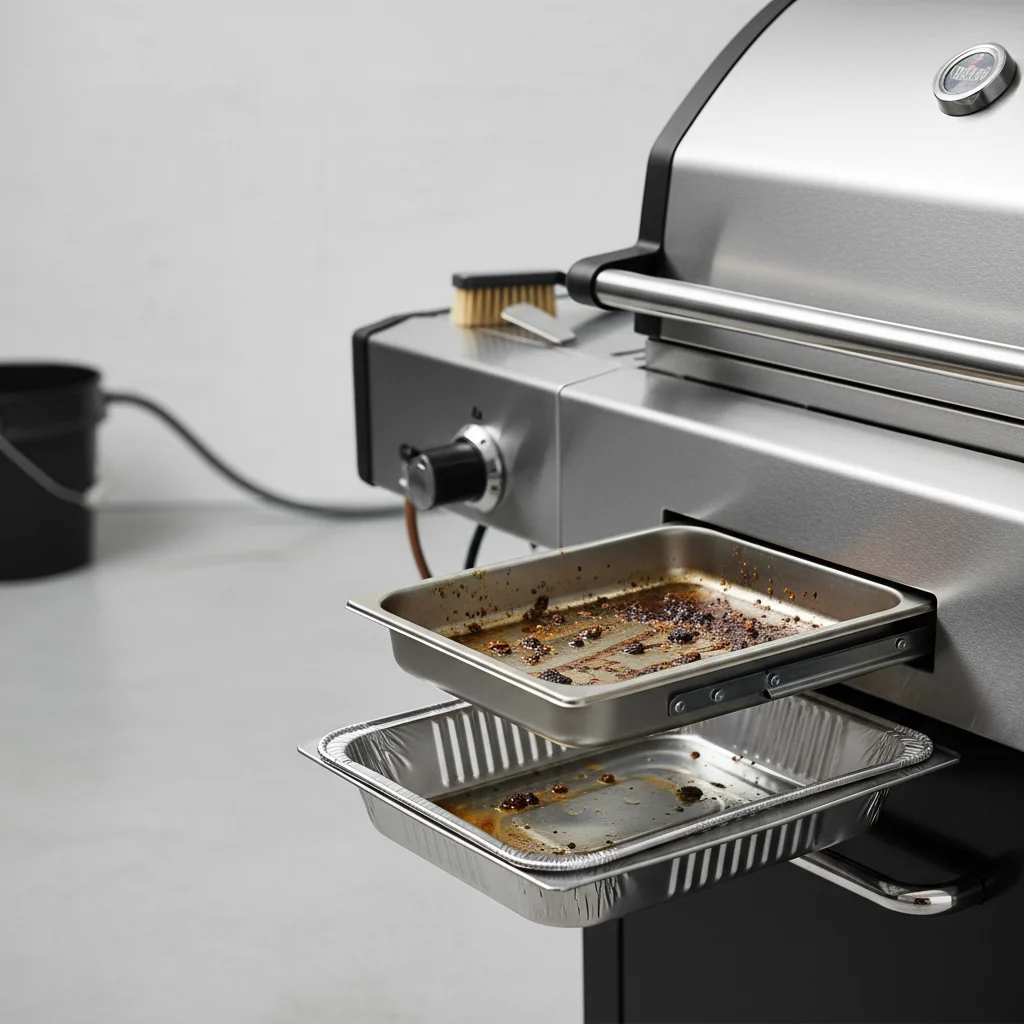
Effective gas grill grease management is crucial for both safety and the longevity of your appliance. Neglecting grease buildup can lead to dangerous flare-ups and even fires, not to mention unpleasant smoke and uneven cooking. By implementing a consistent cleaning routine and understanding the key areas where grease accumulates, you can significantly reduce these risks. There are three primary areas to focus on for thorough grease management: the drip pan, flavorizer bars, and burner box.
Understanding Grease Buildup and Its Dangers
Grease buildup is an inevitable part of grilling, but it becomes a hazard when left unchecked. As fats and oils drip from your food, they collect in various parts of the grill. Over time, this accumulated grease can ignite when exposed to high heat, leading to sudden and intense flare-ups. These flare-ups not only char your food but can also damage grill components and, in severe cases, cause personal injury or property damage. Regular inspection and cleaning are your best defense against these dangers.
Cleaning the Drip Pan and Grease Tray
The drip pan and grease tray are designed to collect the majority of the drippings. These components should be cleaned after every few uses, or more frequently if you grill fatty foods. First, allow the grill to cool completely. Carefully remove the grease tray and scrape out any solidified grease and food debris into a disposable container. For stubborn residue, you can wash the tray with warm, soapy water and a degreaser. Ensure it is thoroughly dry before returning it to the grill. Some modern grills feature disposable liners for easier cleanup, which can be a convenient option for busy grillers.
Maintaining Flavorizer Bars and Heat Tents
|
Our Picks for the Best Gas Grill in 2026
As an Amazon Associate I earn from qualifying purchases.
|
||
| Num | Product | Action |
|---|---|---|
| 1 | Cuisinart Chef's Style Tabletop Portable Propane Grill, 20,000 BTU Stainless Steel 2-Burner Outdoor Gas Grill for Camping, Tailgates, BBQ, Hassle-Free Setup, Twist-Start Ignition, CGG-306 |

|
| 2 | Endark 4-burner propane gas grill | Stainless steel construction | Dual side racks and wheels | Designed for patio, garden, and backyard cooking |
|
| 3 | GasOne GP-1030S One 3 Burner Stainless Steel– Outdoor Cabinet Style with Wheels-High-Temperature Paint Coating Gas BBQ Grill – Elegant and Luxurious Design, Black |
|
| 4 | Tabletop Gas Grill 3-Burner, 22-inch Portable Propane Grill, 30,000 BTUs Stainless Steel Grill with Foldable Legs, Ideal for BBQ, Camping, Patio, Backyard, Tailgate, and Holiday Gatherings |
|
| 5 | Black Portable Gas Grill, Dual 10,000 BTU Burners, 275 Sq.In Cooking Space, Push-to-Start Ignition, Wind-Proof Lid with Built-in Thermometer, Perfect for Camping Tailgates & Backyard BBQ Cookouts |
|
| 6 | 2 Burner Propane Gas Grill with 26,500 BTUs Output, Porcelain-Enamel Main Body and Lid, Propane BBQ Grill with Warming Rack & Side Tables for Patio, Backyard, Poolside Gatherings |
|
| 7 | Endark 3-burner Propane Gas Grill | 37,000 BTU Stainless Steel with Side-iFre Function | with Enameled Cast Iron Grate,Thermometer and Side Stand Wheels | Great for Patio and Garden Outdoor Cooking |
|
| 8 | Monument Grills 4 Burner Propane Gas Grill, Stainless Steel Outdoor Patio Barbecue Grill, with Broil Zone Fast Heating, Knob Control, and Easy Cleanup, M410MBZ |
|
| 9 | WAA Portable Propane Griddle, Tabletop Portable Propane Gas Grill, Stainless Steel Flat Top Grill, Outdoor Cooking for Tailgating,Camping, RVs, BBQ, Patio, Silver (3-Burner-2) |
|
| 10 | R.W.FLAME 4-Burner Propane Gas Grill with Side Burner, Stainless Steel Propane Grill 42000BTU for Outdoor Cooking, with Porcelain-Enameled Cast Iron Grates, Baking Pan, Silver |
|
Flavorizer bars, also known as heat tents, sit directly above the burners and catch drippings, vaporizing them to create that smoky flavor. However, they also accumulate grease and charred food particles. After each use, once the grill has cooled, use a grill brush to scrape off any residue from the flavorizer bars. For a deeper clean, remove them periodically and scrub them with a wire brush and warm, soapy water. Inspect them for any signs of rust or significant damage, as heavily corroded bars can impede proper heat distribution and increase fire risk.
Cleaning the Burner Box and Interior
The burner box, the area beneath the flavorizer bars where the burners are located, can also accumulate grease and debris. While not as frequently cleaned as the drip pan, it’s important to address this area a few times a grilling season. After removing the grates and flavorizer bars, use a shop vac or a stiff brush to clear out any loose debris. Pay close attention to the burner ports, ensuring they are free from obstructions. A putty knife can be useful for scraping away baked-on grease from the bottom of the firebox. Avoid using water directly on the burners themselves, as this can lead to rust.
Preventative Measures and Best Practices
Beyond regular cleaning, several preventative measures can enhance your grease management strategy:
- Trim Excess Fat: Before grilling, trim visible excess fat from meats to reduce the amount of drippings.
- Preheat Thoroughly: A properly preheated grill helps to sear food quickly, minimizing the time fat has to render and drip.
- Use Grill Mats or Foil: For particularly fatty foods, consider using grill mats or aluminum foil to catch drippings, especially for delicate items.
- Avoid Overloading: Don’t overcrowd your grill. This allows for better airflow and reduces the chance of grease pooling in one area.
- Regular Inspections: Periodically inspect all internal components for signs of excessive grease buildup or damage.
By consistently applying these grease management techniques, you’ll not only ensure a safer grilling experience but also extend the life of your gas grill, allowing you to enjoy delicious outdoor meals for years to come.
