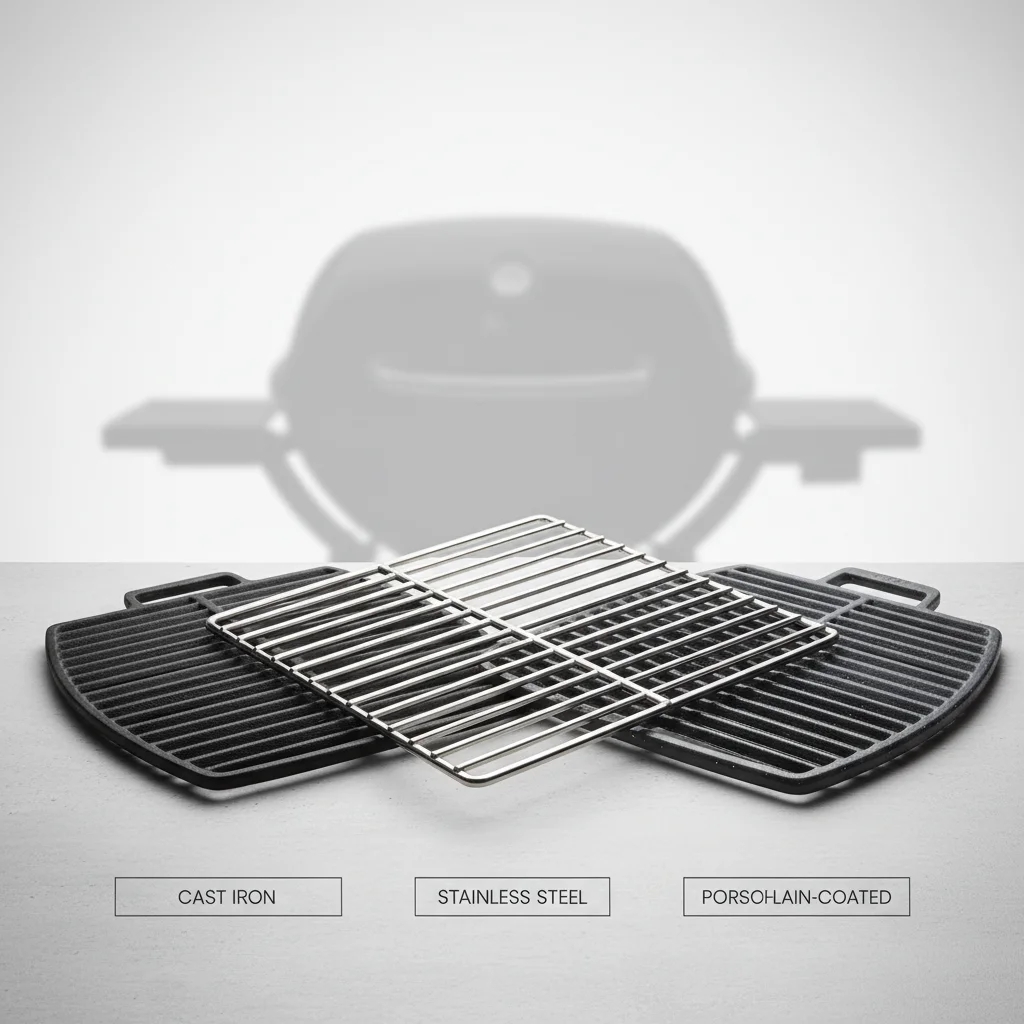
Choosing the right gas grill grate material is crucial for optimal cooking performance and longevity. There are primarily four types of materials used for gas grill grates: cast iron, stainless steel, porcelain-coated cast iron, and porcelain-coated steel. Each offers distinct advantages and disadvantages in terms of heat retention, durability, maintenance, and cost, directly impacting your grilling experience.
Cast Iron Grates: Superior Heat Retention
Cast iron grates are renowned for their exceptional heat retention capabilities. Once heated, they maintain a consistent temperature, creating beautiful sear marks on your food. This material is ideal for high-temperature cooking, such as searing steaks or burgers. However, cast iron requires regular seasoning to prevent rust and proper cleaning to maintain its non-stick properties. Neglecting maintenance can lead to corrosion and food sticking.
For those who prioritize a perfect sear and are willing to invest time in maintenance, cast iron grates are an excellent choice. They distribute heat evenly across the cooking surface, ensuring consistent results with every use.
Stainless Steel Grates: Durability and Low Maintenance
Stainless steel grates are a popular option due to their durability and resistance to rust and corrosion. They are generally easier to clean than cast iron and require less maintenance. While they don’t retain heat as effectively as cast iron, high-quality stainless steel grates can still provide good searing capabilities and even heat distribution. They are a great all-around option for grillers who want a balance of performance and convenience.
When selecting stainless steel grates, look for those made from higher grades of stainless steel, such as 304, which offers superior corrosion resistance. This will ensure your grates withstand years of use without significant degradation.
Porcelain-Coated Cast Iron Grates: Best of Both Worlds
|
Our Picks for the Best Gas Grill in 2026
As an Amazon Associate I earn from qualifying purchases.
|
||
| Num | Product | Action |
|---|---|---|
| 1 | Endark 4-burner propane gas grill | Stainless steel construction | Dual side racks and wheels | Designed for patio, garden, and backyard cooking |

|
| 2 | Monument Grills 4 Burner Propane Gas Grill, Stainless Steel Outdoor Patio Barbecue Grill, with Broil Zone Fast Heating, Knob Control, and Easy Cleanup, M410MBZ |
|
| 3 | Tabletop Gas Grill 3-Burner, 22-inch Portable Propane Grill, 30,000 BTUs Stainless Steel Grill with Foldable Legs, Ideal for BBQ, Camping, Patio, Backyard, Tailgate, and Holiday Gatherings |
|
| 4 | GasOne GP-1030S One 3 Burner Stainless Steel– Outdoor Cabinet Style with Wheels-High-Temperature Paint Coating Gas BBQ Grill – Elegant and Luxurious Design, Black |
|
| 5 | Cuisinart Chef's Style Tabletop Portable Propane Grill, 20,000 BTU Stainless Steel 2-Burner Outdoor Gas Grill for Camping, Tailgates, BBQ, Hassle-Free Setup, Twist-Start Ignition, CGG-306 |
|
| 6 | Endark 3-burner Propane Gas Grill | 37,000 BTU Stainless Steel with Side-iFre Function | with Enameled Cast Iron Grate,Thermometer and Side Stand Wheels | Great for Patio and Garden Outdoor Cooking |
|
| 7 | WAA Portable Propane Griddle, Tabletop Portable Propane Gas Grill, Stainless Steel Flat Top Grill, Outdoor Cooking for Tailgating,Camping, RVs, BBQ, Patio, Silver (3-Burner-2) |
|
| 8 | R.W.FLAME 4-Burner Propane Gas Grill with Side Burner, Stainless Steel Propane Grill 42000BTU for Outdoor Cooking, with Porcelain-Enameled Cast Iron Grates, Baking Pan, Silver |
|
| 9 | 2 Burner Propane Gas Grill with 26,500 BTUs Output, Porcelain-Enamel Main Body and Lid, Propane BBQ Grill with Warming Rack & Side Tables for Patio, Backyard, Poolside Gatherings |
|
| 10 | Black Portable Gas Grill, Dual 10,000 BTU Burners, 275 Sq.In Cooking Space, Push-to-Start Ignition, Wind-Proof Lid with Built-in Thermometer, Perfect for Camping Tailgates & Backyard BBQ Cookouts |
|
Porcelain-coated cast iron grates combine the excellent heat retention of cast iron with the easy-to-clean, rust-resistant properties of a porcelain enamel coating. The porcelain layer prevents the cast iron from rusting and makes the grates virtually non-stick, reducing the need for extensive seasoning. This makes them a popular choice for many grillers seeking the benefits of cast iron without the intensive maintenance.
However, the porcelain coating can chip if struck by hard objects or metal utensils, exposing the underlying cast iron to moisture and potential rust. Gentle cleaning and careful handling are essential to preserve the integrity of the coating.
Porcelain-Coated Steel Grates: Economical and Easy to Clean
Porcelain-coated steel grates are often found on more budget-friendly grills. They offer a smooth, non-stick surface that is very easy to clean and resistant to rust. While they don’t retain heat as well as cast iron or even solid stainless steel, they are a practical option for casual grilling and those who prioritize ease of maintenance and affordability. Like porcelain-coated cast iron, the coating can chip, so care is needed during cleaning and use.
Key Considerations When Choosing Grate Materials
- Heat Retention: Cast iron excels, followed by porcelain-coated cast iron, then stainless steel, and finally porcelain-coated steel.
- Durability: Stainless steel is highly durable, while cast iron requires more care. Porcelain coatings can chip.
- Maintenance: Porcelain-coated grates and stainless steel are the easiest to clean. Cast iron requires regular seasoning.
- Cost: Generally, porcelain-coated steel is the most affordable, with cast iron and stainless steel often being more expensive.
- Searing Capability: Cast iron provides the best sear due to its high heat retention.
Ultimately, the best gas grill grate material depends on your grilling habits, budget, and willingness to perform maintenance. Understanding the characteristics of each material will help you make an informed decision that enhances your outdoor cooking experience.

This was super helpful in deciding on my new grill. I was torn between cast iron and porcelain-coated options, but the breakdown of durability and maintenance really sealed the deal for me. I went with porcelain-coated cast iron, and it’s been fantastic for everything from delicate fish to juicy chicken. No sticking issues at all!
I’ve always struggled with getting good sear marks on my steaks, but after reading about cast iron grates here, I decided to upgrade. What a difference! My burgers and steaks now have that perfect restaurant-quality char. The heat retention is truly superior, and while the seasoning takes a little effort, it’s totally worth it for the results.
I was hoping porcelain-coated steel grates would be the perfect balance, but I’ve found them a bit finicky. While they’re easy to clean, I’ve noticed some chipping on the coating after only a few months, which is a bit disappointing. It hasn’t affected the cooking too much yet, but I’m worried about long-term durability compared to what was mentioned.
I’ve been using stainless steel grates for years because I liked the low maintenance. This guide really highlighted the benefits of porcelain-coated cast iron, especially for even cooking. I just got a new grill with them, and so far, I’m impressed with how well they distribute heat. Cleaning is a bit more involved than stainless, but not too bad.