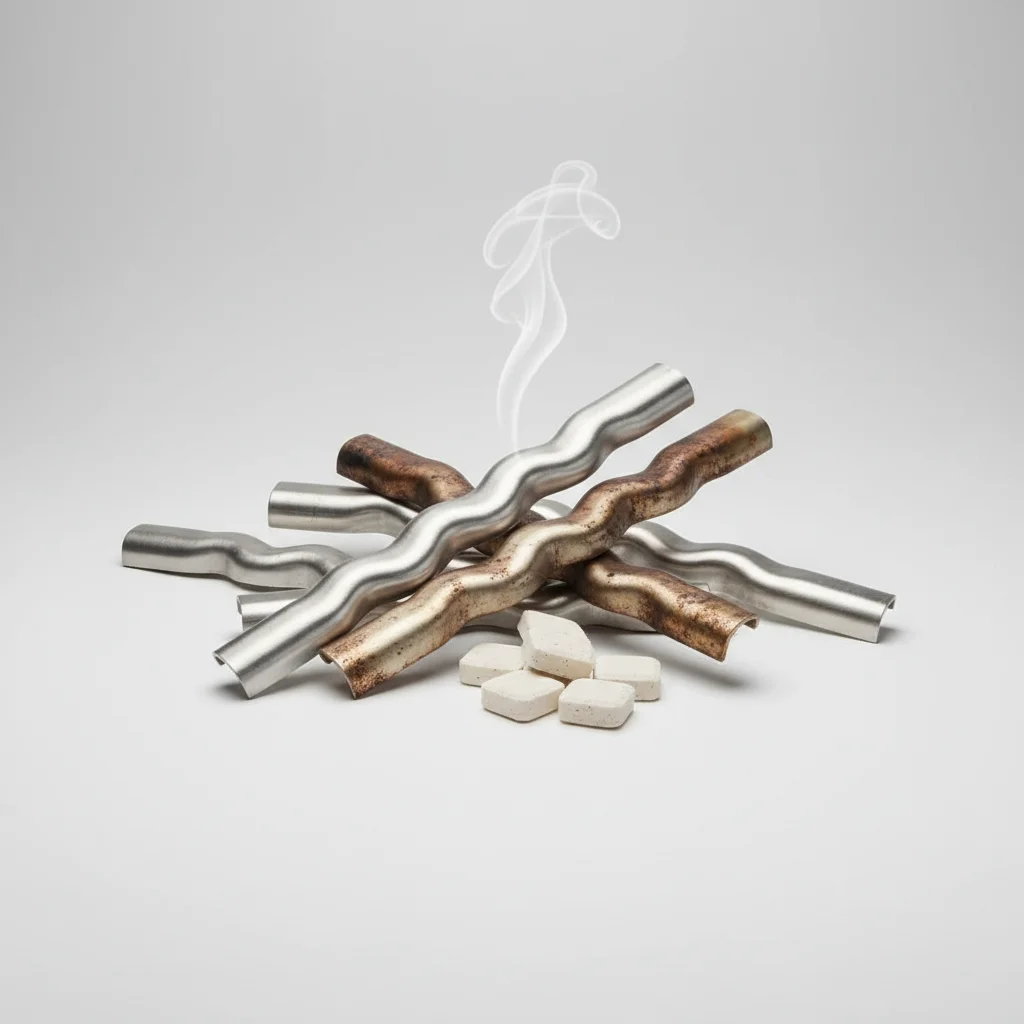
Gas grill flavorizer bars significantly improve the taste of your grilled food by vaporizing drippings and distributing heat more evenly. These essential components, often overlooked, play a crucial role in creating that authentic barbecue flavor you crave, while also protecting your burners from grease and food debris.
Understanding Flavorizer Bar Functionality
Flavorizer bars, sometimes called heat tents or diffusers, are designed to sit directly above the burners and below the cooking grates. When fats and juices drip from your food, they hit these hot bars and instantly vaporize, creating smoke that infuses your food with a richer, more complex flavor. This process mimics the effect of charcoal grilling, where drippings hit hot coals and produce flavorful smoke.
Beyond flavor enhancement, these bars also provide a barrier, preventing direct flame contact with your food and reducing flare-ups. This leads to more consistent cooking temperatures and fewer burnt spots, ensuring your meals are cooked perfectly every time. They also protect your burners from corrosive drippings, extending the lifespan of your grill’s most vital components.
Common Materials and Their Impact
Flavorizer bars are typically made from stainless steel, porcelain-enameled steel, or cast iron. Stainless steel bars are durable and offer good heat retention, making them a popular choice for many grill manufacturers. Porcelain-enameled steel provides excellent corrosion resistance and is easy to clean, though the enamel can chip over time. Cast iron bars, while requiring more maintenance to prevent rust, excel at retaining and distributing heat, which can lead to superior searing and flavor development.
The material choice impacts not only durability but also heat distribution and the intensity of the flavorizing effect. Thicker, heavier materials like cast iron tend to hold heat longer, contributing to more consistent vaporization of drippings.
When to Replace Your Flavorizer Bars
|
Our Picks for the Best Gas Grill in 2026
As an Amazon Associate I earn from qualifying purchases.
|
||
| Num | Product | Action |
|---|---|---|
| 1 | 2 Burner Propane Gas Grill with 26,500 BTUs Output, Porcelain-Enamel Main Body and Lid, Propane BBQ Grill with Warming Rack & Side Tables for Patio, Backyard, Poolside Gatherings |

|
| 2 | GasOne GP-1030S One 3 Burner Stainless Steel– Outdoor Cabinet Style with Wheels-High-Temperature Paint Coating Gas BBQ Grill – Elegant and Luxurious Design, Black |
|
| 3 | Black Portable Gas Grill, Dual 10,000 BTU Burners, 275 Sq.In Cooking Space, Push-to-Start Ignition, Wind-Proof Lid with Built-in Thermometer, Perfect for Camping Tailgates & Backyard BBQ Cookouts |
|
| 4 | Endark 4-burner propane gas grill | Stainless steel construction | Dual side racks and wheels | Designed for patio, garden, and backyard cooking |
|
| 5 | Monument Grills 4 Burner Propane Gas Grill, Stainless Steel Outdoor Patio Barbecue Grill, with Broil Zone Fast Heating, Knob Control, and Easy Cleanup, M410MBZ |
|
| 6 | WAA Portable Propane Griddle, Tabletop Portable Propane Gas Grill, Stainless Steel Flat Top Grill, Outdoor Cooking for Tailgating,Camping, RVs, BBQ, Patio, Silver (3-Burner-2) |
|
| 7 | Tabletop Gas Grill 3-Burner, 22-inch Portable Propane Grill, 30,000 BTUs Stainless Steel Grill with Foldable Legs, Ideal for BBQ, Camping, Patio, Backyard, Tailgate, and Holiday Gatherings |
|
| 8 | Cuisinart Chef's Style Tabletop Portable Propane Grill, 20,000 BTU Stainless Steel 2-Burner Outdoor Gas Grill for Camping, Tailgates, BBQ, Hassle-Free Setup, Twist-Start Ignition, CGG-306 |
|
| 9 | Endark 3-burner Propane Gas Grill | 37,000 BTU Stainless Steel with Side-iFre Function | with Enameled Cast Iron Grate,Thermometer and Side Stand Wheels | Great for Patio and Garden Outdoor Cooking |
|
| 10 | R.W.FLAME 4-Burner Propane Gas Grill with Side Burner, Stainless Steel Propane Grill 42000BTU for Outdoor Cooking, with Porcelain-Enameled Cast Iron Grates, Baking Pan, Silver |
|
Over time, flavorizer bars can rust, warp, or become heavily encrusted with grease, diminishing their effectiveness. Signs that it’s time for replacement include visible rust, significant warping that prevents proper heat distribution, or a noticeable decrease in the smoky flavor of your food. Typically, flavorizer bars last between 2 to 5 years, depending on usage and material.
Regular cleaning can extend their life, but eventually, they will need to be replaced to maintain optimal grill performance and flavor. Ignoring worn-out flavorizer bars can lead to uneven cooking, increased flare-ups, and a less enjoyable grilling experience.
Installation and Maintenance Tips
Replacing flavorizer bars is a straightforward process that usually takes less than 15 minutes. Ensure your grill is cool and disconnected from its fuel source. Simply lift out the old bars and place the new ones in their designated slots above the burners. Always refer to your grill’s manual for specific instructions.
- Regularly scrape off accumulated grease and food particles.
- Wash with warm, soapy water and a non-abrasive brush.
- For stubborn residue, consider a grill cleaner specifically designed for flavorizer bars.
- Ensure they are completely dry before reinstalling to prevent rust.
- Inspect for signs of wear and tear during each cleaning.
Proper maintenance not only prolongs the life of your flavorizer bars but also ensures they continue to deliver that delicious, smoky flavor to your grilled dishes.
Choosing the Right Replacement Bars
When selecting replacement flavorizer bars, it’s crucial to choose ones that are compatible with your specific grill model. Many manufacturers offer OEM (Original Equipment Manufacturer) parts, but there are also high-quality aftermarket options available. Measure your existing bars carefully to ensure a proper fit, paying attention to length, width, and any specific cutouts or designs.
Consider upgrading to a different material if you’re looking for enhanced performance, such as switching from porcelain-enameled steel to stainless steel for increased durability. Always prioritize quality materials to ensure longevity and consistent grilling results.

I used to think flavorizer bars were just a gimmick, but the explanation about how they mimic charcoal grilling really sold me. I finally replaced the ones on my Weber and the difference is night and day. My burgers have so much more depth of flavor now, and I’ve had way fewer flare-ups. It’s amazing how such a small component can make such a big impact on outdoor cooking.
This really clarified the whole ‘heat tents’ vs. ‘flavorizer bars’ thing for me. I always thought they were just for heat distribution. Knowing they create that smoky flavor by vaporizing juices is a game-changer. My chicken has been tasting much better since I swapped out my old, rusted ones. It’s like getting a charcoal grill taste without the hassle.
I always wondered if those flavorizer bars actually did anything, but after reading about how they vaporize drippings, it totally makes sense. I replaced mine a few months ago and the difference in flavor is noticeable. My steaks have that much richer, smoky taste now, just like the post mentioned. Definitely a worthwhile upgrade for any gas grill owner.
I appreciate the info on how flavorizer bars protect the burners. I’ve had issues with grease buildup before, so that’s a big plus. However, I haven’t noticed a huge improvement in taste myself. Maybe my old ones weren’t that bad, or I just need to try a different brand. They do seem to help with flare-ups though, which is good.