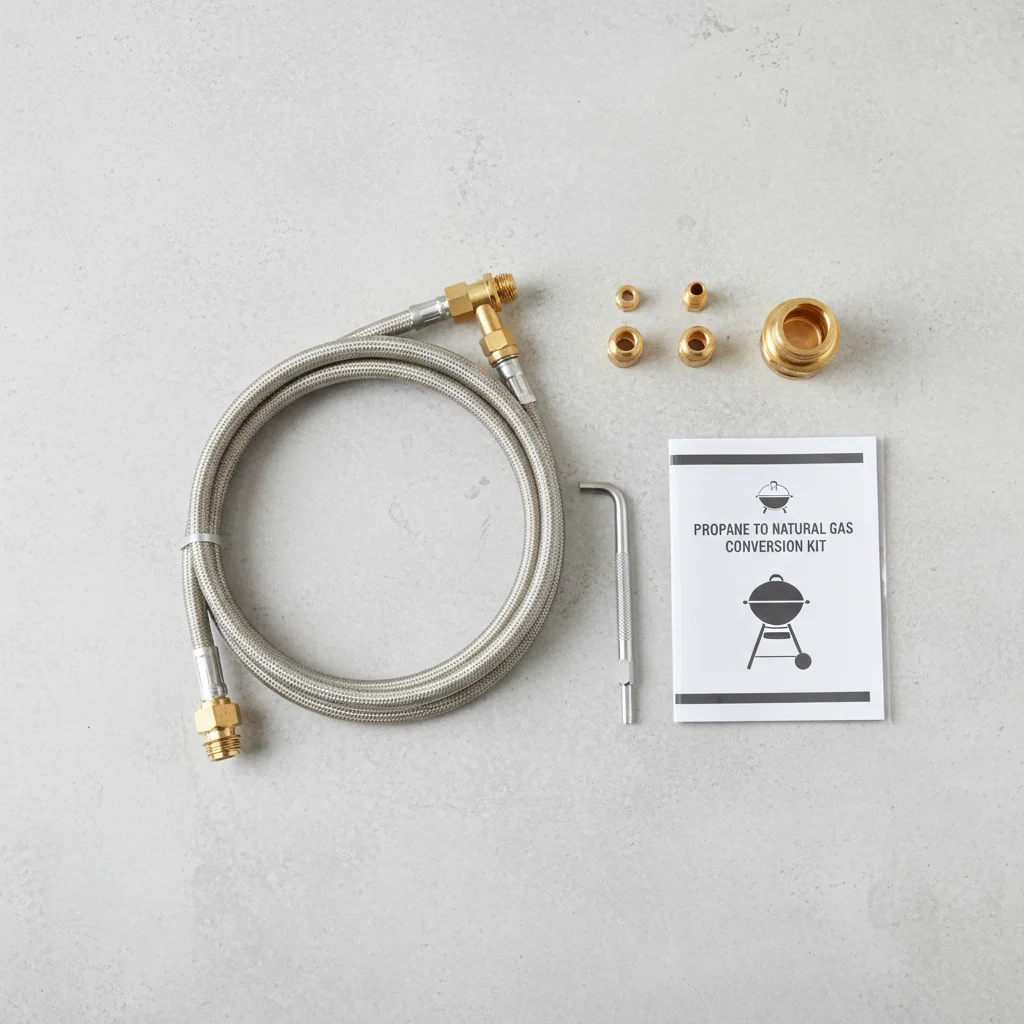
Converting your gas grill from propane to natural gas is a straightforward process that typically takes about 2-3 hours, depending on your grill model and DIY experience. This conversion allows you to enjoy the convenience of a continuous fuel supply directly from your home’s natural gas line, eliminating the need for propane tank refills. It’s a popular modification for homeowners looking for a more permanent and cost-effective grilling solution.
Why Convert Your Gas Grill?
The primary reason many grill owners opt for a conversion is the convenience of natural gas. Unlike propane tanks, which require regular refilling or swapping, a natural gas line provides an uninterrupted fuel source. This means no more running out of gas in the middle of a cookout. Additionally, natural gas is often more economical than propane, especially for frequent grillers, leading to long-term savings on fuel costs. The environmental impact is also slightly lower with natural gas as it burns cleaner than propane.
Essential Components of a Conversion Kit
A typical gas grill conversion kit includes several key components necessary for a safe and effective switch. You’ll find new orifices for each burner, designed to accommodate the lower pressure and different BTU output of natural gas. A natural gas hose and quick-disconnect fitting are also standard, allowing for easy connection to your home’s gas line. Some kits may also include a new regulator specifically calibrated for natural gas pressure, and potentially new control knobs if the original ones aren’t compatible. Always ensure your kit is specifically designed for your grill’s make and model to guarantee compatibility and safety.
- Natural gas orifices for each burner
- Natural gas regulator (if not integrated)
- Natural gas hose with quick-disconnect fitting
- Thread sealant tape (gas-rated)
- Wrench and screwdriver set
Step-by-Step Conversion Process
|
Our Picks for the Best Gas Grill in 2026
As an Amazon Associate I earn from qualifying purchases.
|
||
| Num | Product | Action |
|---|---|---|
| 1 | GasOne GP-1030S One 3 Burner Stainless Steel– Outdoor Cabinet Style with Wheels-High-Temperature Paint Coating Gas BBQ Grill – Elegant and Luxurious Design, Black |

|
| 2 | Black Portable Gas Grill, Dual 10,000 BTU Burners, 275 Sq.In Cooking Space, Push-to-Start Ignition, Wind-Proof Lid with Built-in Thermometer, Perfect for Camping Tailgates & Backyard BBQ Cookouts |
|
| 3 | R.W.FLAME 4-Burner Propane Gas Grill with Side Burner, Stainless Steel Propane Grill 42000BTU for Outdoor Cooking, with Porcelain-Enameled Cast Iron Grates, Baking Pan, Silver |
|
| 4 | Endark 4-burner propane gas grill | Stainless steel construction | Dual side racks and wheels | Designed for patio, garden, and backyard cooking |
|
| 5 | Tabletop Gas Grill 3-Burner, 22-inch Portable Propane Grill, 30,000 BTUs Stainless Steel Grill with Foldable Legs, Ideal for BBQ, Camping, Patio, Backyard, Tailgate, and Holiday Gatherings |
|
| 6 | 2 Burner Propane Gas Grill with 26,500 BTUs Output, Porcelain-Enamel Main Body and Lid, Propane BBQ Grill with Warming Rack & Side Tables for Patio, Backyard, Poolside Gatherings |
|
| 7 | Cuisinart Chef's Style Tabletop Portable Propane Grill, 20,000 BTU Stainless Steel 2-Burner Outdoor Gas Grill for Camping, Tailgates, BBQ, Hassle-Free Setup, Twist-Start Ignition, CGG-306 |
|
| 8 | Monument Grills 4 Burner Propane Gas Grill, Stainless Steel Outdoor Patio Barbecue Grill, with Broil Zone Fast Heating, Knob Control, and Easy Cleanup, M410MBZ |
|
| 9 | WAA Portable Propane Griddle, Tabletop Portable Propane Gas Grill, Stainless Steel Flat Top Grill, Outdoor Cooking for Tailgating,Camping, RVs, BBQ, Patio, Silver (3-Burner-2) |
|
| 10 | Endark 3-burner Propane Gas Grill | 37,000 BTU Stainless Steel with Side-iFre Function | with Enameled Cast Iron Grate,Thermometer and Side Stand Wheels | Great for Patio and Garden Outdoor Cooking |
|
Before beginning, ensure your grill is completely cool and disconnected from any propane tank. First, you’ll need to access the burner tubes and remove the existing propane orifices, typically located at the end of the burner tube where it connects to the manifold. Carefully replace these with the smaller natural gas orifices provided in your kit. Next, remove the propane regulator and hose assembly. Install the new natural gas regulator (if separate) and connect the natural gas hose, ensuring all connections are sealed with gas-rated thread sealant tape. Once all components are securely in place, connect the quick-disconnect fitting to your home’s natural gas line. Perform a leak test using a soapy water solution on all connections before lighting the grill.
It’s crucial to follow the specific instructions provided with your conversion kit, as procedures can vary slightly between grill brands and models. If you’re uncomfortable performing the conversion yourself, consider hiring a qualified professional to ensure safety and proper installation.
Safety Precautions During Conversion
Safety is paramount when working with gas lines. Always turn off the main gas supply to your home before starting the conversion. Work in a well-ventilated area and have a fire extinguisher readily available. After completing the conversion, a thorough leak test is essential. Mix a solution of dish soap and water and apply it to all new connections. If you see bubbles forming, it indicates a leak that needs to be tightened immediately. Never use an open flame to check for gas leaks. If you smell gas at any point, turn off the supply and ventilate the area immediately.
Post-Conversion Maintenance and Usage
Once converted, your natural gas grill will operate similarly to its propane counterpart, but with a few key differences. Natural gas burns at a slightly lower BTU output than propane, so you might notice a marginal difference in heat intensity or preheating times. Regular maintenance, such as cleaning burner tubes and grates, remains crucial for optimal performance. Periodically check the natural gas hose and connections for any signs of wear or leaks. Enjoy the convenience of endless grilling with your newly converted natural gas grill!
