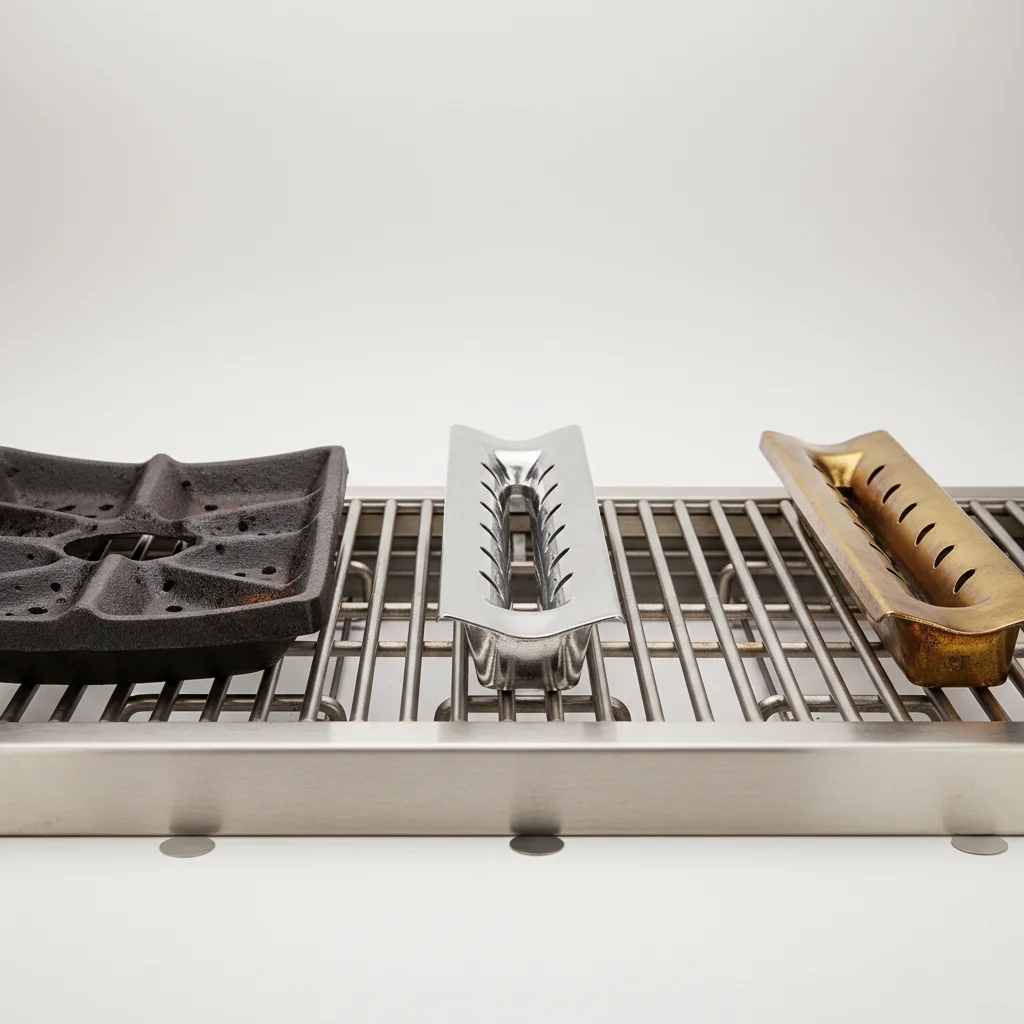
Understanding the different gas grill burner types is crucial for predicting longevity and performance. The material of your grill’s burners significantly impacts how long they will last, with cast stainless steel generally offering the longest lifespan, often exceeding 10 years with proper care. Other common materials include standard stainless steel, cast iron, and aluminized steel, each with distinct advantages and disadvantages regarding durability and heat distribution.
The Durability King: Cast Stainless Steel Burners
Cast stainless steel burners are widely considered the most durable option available for gas grills. Their robust construction and resistance to rust and corrosion mean they can withstand high temperatures and harsh outdoor conditions for many years. While grills equipped with these burners often come at a higher price point, the investment typically pays off in extended product life and consistent cooking performance. They also tend to distribute heat very evenly across the cooking surface. For best gas grill roundups on this site.
Standard Stainless Steel Burners: A Common Choice
Standard stainless steel burners are a popular choice due to their good balance of durability and cost. They offer decent resistance to rust and corrosion, especially higher grades of stainless steel like 304. However, their lifespan can vary depending on the thickness and quality of the steel. Thinner stainless steel can be more prone to warping or developing pinholes over time, leading to uneven flame patterns. Regular cleaning and maintenance can help prolong their life.
- 304 Stainless Steel: Excellent corrosion resistance, good lifespan.
- 430 Stainless Steel: More affordable, but less corrosion resistant.
- Tubular Design: Common and effective for heat distribution.
- Cast Design: More robust than tubular, but less common than cast stainless steel.
Cast Iron Burners: Excellent Heat Retention, but Prone to Rust
|
Our Picks for the Best Gas Grill in 2026
As an Amazon Associate I earn from qualifying purchases.
|
||
| Num | Product | Action |
|---|---|---|
| 1 | Black Portable Gas Grill, Dual 10,000 BTU Burners, 275 Sq.In Cooking Space, Push-to-Start Ignition, Wind-Proof Lid with Built-in Thermometer, Perfect for Camping Tailgates & Backyard BBQ Cookouts |

|
| 2 | WAA Portable Propane Griddle, Tabletop Portable Propane Gas Grill, Stainless Steel Flat Top Grill, Outdoor Cooking for Tailgating,Camping, RVs, BBQ, Patio, Silver (3-Burner-2) |
|
| 3 | Monument Grills 4 Burner Propane Gas Grill, Stainless Steel Outdoor Patio Barbecue Grill, with Broil Zone Fast Heating, Knob Control, and Easy Cleanup, M410MBZ |
|
| 4 | GasOne GP-1030S One 3 Burner Stainless Steel– Outdoor Cabinet Style with Wheels-High-Temperature Paint Coating Gas BBQ Grill – Elegant and Luxurious Design, Black |
|
| 5 | R.W.FLAME 4-Burner Propane Gas Grill with Side Burner, Stainless Steel Propane Grill 42000BTU for Outdoor Cooking, with Porcelain-Enameled Cast Iron Grates, Baking Pan, Silver |
|
| 6 | Endark 3-burner Propane Gas Grill | 37,000 BTU Stainless Steel with Side-iFre Function | with Enameled Cast Iron Grate,Thermometer and Side Stand Wheels | Great for Patio and Garden Outdoor Cooking |
|
| 7 | 2 Burner Propane Gas Grill with 26,500 BTUs Output, Porcelain-Enamel Main Body and Lid, Propane BBQ Grill with Warming Rack & Side Tables for Patio, Backyard, Poolside Gatherings |
|
| 8 | Cuisinart Chef's Style Tabletop Portable Propane Grill, 20,000 BTU Stainless Steel 2-Burner Outdoor Gas Grill for Camping, Tailgates, BBQ, Hassle-Free Setup, Twist-Start Ignition, CGG-306 |
|
| 9 | Endark 4-burner propane gas grill | Stainless steel construction | Dual side racks and wheels | Designed for patio, garden, and backyard cooking |
|
| 10 | Tabletop Gas Grill 3-Burner, 22-inch Portable Propane Grill, 30,000 BTUs Stainless Steel Grill with Foldable Legs, Ideal for BBQ, Camping, Patio, Backyard, Tailgate, and Holiday Gatherings |
|
Cast iron burners are known for their exceptional heat retention and even heat distribution, making them a favorite among many grill enthusiasts. However, their primary drawback is their susceptibility to rust if not properly maintained. They require regular seasoning and protection from moisture to prevent corrosion. When cared for, cast iron burners can last a long time, but neglect will quickly lead to deterioration.
Aluminized Steel Burners: The Budget-Friendly Option
Aluminized steel burners are typically found in more budget-friendly gas grills. They are made from steel coated with aluminum, which provides some resistance to rust and corrosion. While they are the least expensive option, they also tend to have the shortest lifespan compared to stainless steel or cast iron. Over time, the aluminum coating can wear off, exposing the underlying steel to rust and degradation. They are a suitable choice for occasional grillers or those on a tight budget who don’t mind replacing parts more frequently.
Factors Affecting Burner Lifespan Beyond Material
Beyond the material itself, several other factors influence the lifespan of your gas grill burners. The frequency of use, exposure to harsh weather conditions, and the regularity of cleaning and maintenance all play significant roles. Grills stored outdoors without a cover, or those rarely cleaned, will see their burners degrade much faster, regardless of the material. Grease buildup and food debris can also accelerate corrosion and block burner ports, leading to inefficient operation and premature failure.
Choosing the Right Burner Type for Your Grilling Habits
When selecting a gas grill, consider your grilling habits and budget. If you grill frequently and want maximum durability and even heat, investing in a grill with cast stainless steel burners is a wise decision. For a good balance of performance and cost, standard stainless steel burners are a solid choice. If you’re an occasional griller on a budget, aluminized steel might suffice, but be prepared for potential replacements down the line. Cast iron offers excellent cooking but demands diligent maintenance to prevent rust.

I’ve always wondered about the best burner material, and this really cleared things up. My old grill had standard stainless steel burners that rusted out way too fast. I just upgraded to a model with cast stainless steel burners, and I can already tell the difference in quality. It feels much more solid and heats up so evenly. Definitely worth the higher price for the longevity.
This was super helpful! I was about to buy a new grill and was confused by all the different burner claims. Knowing that cast stainless steel is the ‘Durability King’ and can resist rust and corrosion for so long makes my decision much easier. I’m tired of replacing parts every few years, so investing in quality upfront is definitely the way to go for me.
Good breakdown of the materials. I appreciate the honesty about the different advantages. I recently bought a grill with standard stainless steel burners, and while it works fine, I do notice some hot spots compared to my buddy’s grill. I wish I had read this before, as I might have splurged for the cast stainless steel for better heat distribution, even if it meant a higher initial cost.
Great info on the different types! I’ve had cast iron burners before, and while they held heat well, the maintenance was a bit of a pain with the seasoning and rust prevention. I’m considering an upgrade soon, and knowing that cast stainless steel can last over 10 years is a huge selling point for me. My current aluminized steel burners are starting to show their age after only a few years.