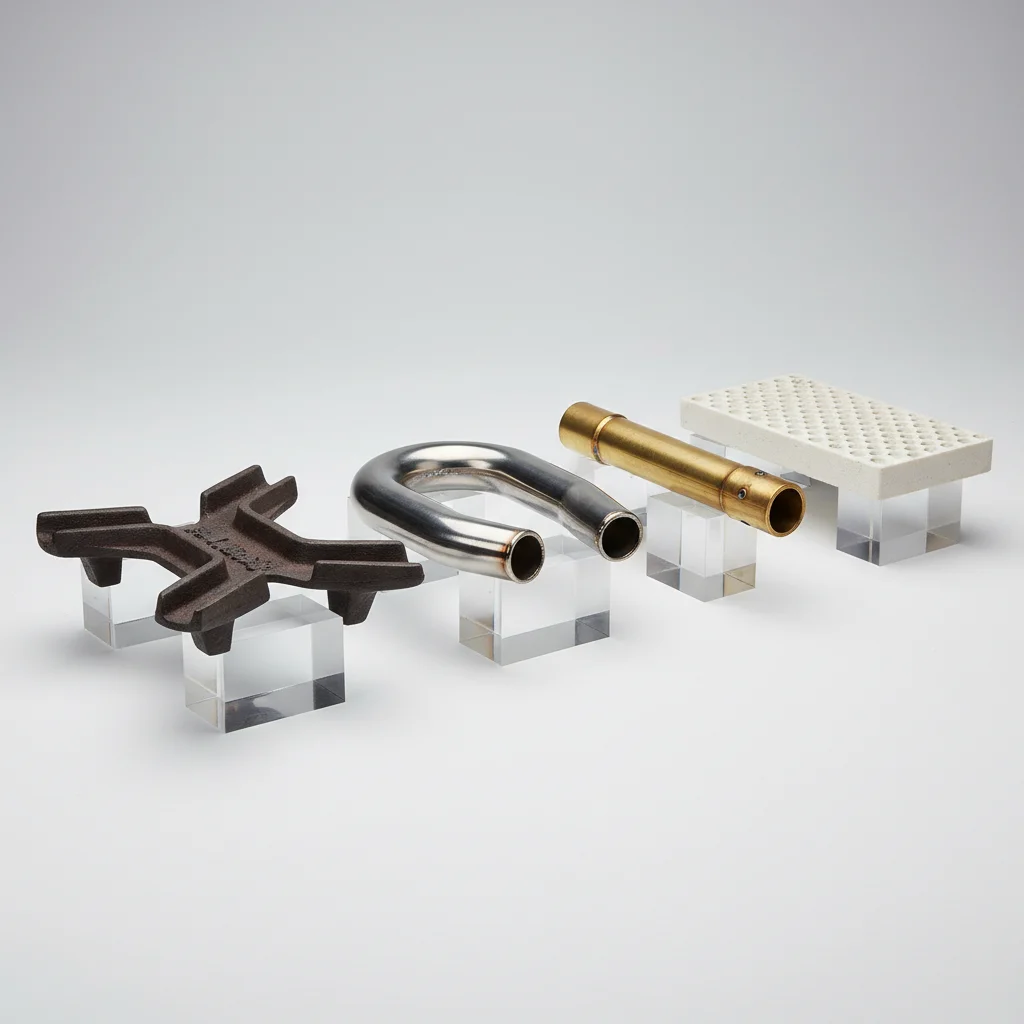
Choosing the right gas grill burner material is crucial for longevity and performance. The material directly impacts how long your grill will last and how evenly it cooks. Generally, cast iron, stainless steel, and brass are the most common materials, each offering distinct advantages and disadvantages in terms of heat retention, durability, and corrosion resistance.
Understanding Different Burner Materials
Gas grill burners are the heart of your cooking system, and their material dictates much about your grilling experience. Stainless steel, often found in various grades, is popular for its balance of corrosion resistance and heat distribution. Cast iron, while excellent for heat retention, requires more maintenance to prevent rust. Brass, though less common in entry-level grills, offers superior durability and corrosion resistance, making it a premium choice. For more gas grill guides on this site.
Stainless Steel Burners: Durability and Performance
Stainless steel burners are a staple in many gas grills due to their good resistance to rust and relatively even heat distribution. However, not all stainless steel is created equal. Grades like 304 stainless steel offer better corrosion resistance than lower grades like 430. Over time, even stainless steel can succumb to rust and wear, especially with exposure to high heat and moisture. Regular cleaning and proper care can extend their lifespan significantly.
- 304 Stainless Steel: Excellent corrosion resistance, good heat distribution.
- 430 Stainless Steel: More affordable, but less resistant to rust.
- Proper Maintenance: Essential for extending the life of stainless steel burners.
- Heat Cycling: Can cause stress and eventual cracking in lower-grade stainless steel.
Cast Iron Burners: Heat Retention and Maintenance
|
Our Picks for the Best Gas Grill in 2026
As an Amazon Associate I earn from qualifying purchases.
|
||
| Num | Product | Action |
|---|---|---|
| 1 | Cuisinart Chef's Style Tabletop Portable Propane Grill, 20,000 BTU Stainless Steel 2-Burner Outdoor Gas Grill for Camping, Tailgates, BBQ, Hassle-Free Setup, Twist-Start Ignition, CGG-306 |

|
| 2 | R.W.FLAME 4-Burner Propane Gas Grill with Side Burner, Stainless Steel Propane Grill 42000BTU for Outdoor Cooking, with Porcelain-Enameled Cast Iron Grates, Baking Pan, Silver |
|
| 3 | 2 Burner Propane Gas Grill with 26,500 BTUs Output, Porcelain-Enamel Main Body and Lid, Propane BBQ Grill with Warming Rack & Side Tables for Patio, Backyard, Poolside Gatherings |
|
| 4 | Endark 4-burner propane gas grill | Stainless steel construction | Dual side racks and wheels | Designed for patio, garden, and backyard cooking |
|
| 5 | Endark 3-burner Propane Gas Grill | 37,000 BTU Stainless Steel with Side-iFre Function | with Enameled Cast Iron Grate,Thermometer and Side Stand Wheels | Great for Patio and Garden Outdoor Cooking |
|
| 6 | Tabletop Gas Grill 3-Burner, 22-inch Portable Propane Grill, 30,000 BTUs Stainless Steel Grill with Foldable Legs, Ideal for BBQ, Camping, Patio, Backyard, Tailgate, and Holiday Gatherings |
|
| 7 | WAA Portable Propane Griddle, Tabletop Portable Propane Gas Grill, Stainless Steel Flat Top Grill, Outdoor Cooking for Tailgating,Camping, RVs, BBQ, Patio, Silver (3-Burner-2) |
|
| 8 | Black Portable Gas Grill, Dual 10,000 BTU Burners, 275 Sq.In Cooking Space, Push-to-Start Ignition, Wind-Proof Lid with Built-in Thermometer, Perfect for Camping Tailgates & Backyard BBQ Cookouts |
|
| 9 | GasOne GP-1030S One 3 Burner Stainless Steel– Outdoor Cabinet Style with Wheels-High-Temperature Paint Coating Gas BBQ Grill – Elegant and Luxurious Design, Black |
|
| 10 | Monument Grills 4 Burner Propane Gas Grill, Stainless Steel Outdoor Patio Barbecue Grill, with Broil Zone Fast Heating, Knob Control, and Easy Cleanup, M410MBZ |
|
Cast iron burners are renowned for their exceptional heat retention and ability to provide very even cooking temperatures. This material heats up slowly but holds heat incredibly well, making it ideal for searing and consistent grilling. The main drawback of cast iron is its susceptibility to rust if not properly maintained. Regular seasoning and cleaning are vital to prevent corrosion and ensure a long lifespan. Many grill enthusiasts appreciate the robust performance of cast iron despite the extra care required.
Brass Burners: The Premium Choice for Longevity
Brass burners are often considered the gold standard for gas grill longevity. They offer superior corrosion resistance compared to both stainless steel and cast iron, making them incredibly durable. While typically found in higher-end grills, the investment in brass burners often pays off in terms of extended lifespan and consistent performance. They resist rust and wear much better than other materials, ensuring your grill maintains optimal heat output for many years.
Factors Influencing Burner Lifespan
Beyond the material itself, several factors influence how long your gas grill burners will last. Usage frequency, cleaning habits, and exposure to harsh weather conditions all play a significant role. Grills used frequently and left exposed to rain and humidity will naturally see their burners degrade faster. Regular cleaning to remove grease and food debris, along with proper storage or the use of a grill cover, can dramatically extend the life of any burner material.

Great info here! I’ve been using cast iron burners for years because I love how well they hold heat for searing steaks. The maintenance can be a bit of a pain with the oiling to prevent rust, but the results are worth it. I appreciate the breakdown of the pros and cons for each material.
I’ve always wondered about the best burner material, and this really cleared things up. My old grill had stainless steel burners that rusted out way too fast, probably a lower grade. I just upgraded to a new grill with brass burners, and the difference in heat distribution is amazing. It cooks so much more evenly, and I’m hoping these last a lot longer.
This was super helpful for my next grill purchase! I’ve been debating between a few models, and understanding the differences in durability and corrosion resistance for each burner material is a game-changer. I’m definitely leaning towards something with brass burners now, even if it’s a bit more expensive upfront, for the long-term value.
I found the part about stainless steel grades really interesting. My current grill has stainless steel burners, and while they’ve held up okay, I’ve noticed some hot spots. I wish it had gone into a little more detail about identifying higher quality stainless steel when you’re shopping, as it’s hard to tell just by looking.