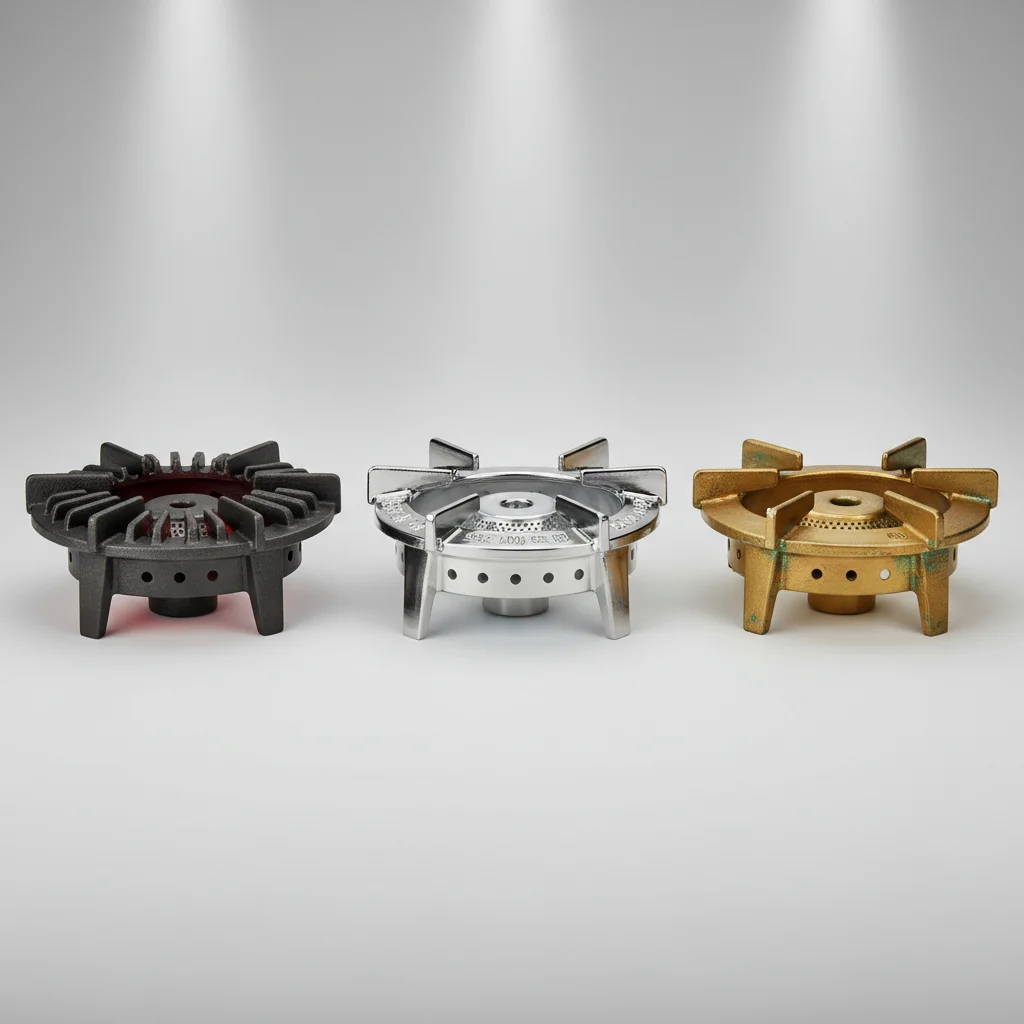
Choosing the right gas grill burner material is crucial for longevity and performance. The material that generally lasts the longest and offers superior heat distribution is cast stainless steel, followed closely by 304-grade stainless steel. These materials resist rust and corrosion far better than cheaper alternatives like aluminized steel or cast iron, ensuring your grill maintains consistent heat for many seasons.
Understanding Different Burner Materials
Gas grill burners come in several common materials, each with distinct advantages and disadvantages. Aluminized steel burners are often found in entry-level grills due to their low cost, but they are highly susceptible to rust and typically have the shortest lifespan. Cast iron burners offer excellent heat retention and even distribution but require regular maintenance to prevent rust, especially in humid climates. For browse all gas grill articles on this site.
Stainless steel burners are a popular choice, with quality varying significantly based on the grade. Lower grades, such as 430 stainless steel, offer better rust resistance than aluminized steel but can still corrode over time. Higher grades like 304 stainless steel provide excellent durability and corrosion resistance, making them a reliable option for most grillers.
The Superiority of Cast Stainless Steel
Cast stainless steel burners represent the pinnacle of durability and performance. Unlike stamped or welded stainless steel, cast burners are molded from a single piece of high-grade stainless steel, eliminating weak points where rust can begin. This construction method results in a thicker, more robust burner that can withstand extreme temperatures and corrosive elements for many years. They also tend to distribute heat more evenly, reducing hot and cold spots on your grilling surface.
304-Grade Stainless Steel: A Strong Contender
|
Our Picks for the Best Gas Grill in 2026
As an Amazon Associate I earn from qualifying purchases.
|
||
| Num | Product | Action |
|---|---|---|
| 1 | Cuisinart Chef's Style Tabletop Portable Propane Grill, 20,000 BTU Stainless Steel 2-Burner Outdoor Gas Grill for Camping, Tailgates, BBQ, Hassle-Free Setup, Twist-Start Ignition, CGG-306 |

|
| 2 | R.W.FLAME 4-Burner Propane Gas Grill with Side Burner, Stainless Steel Propane Grill 42000BTU for Outdoor Cooking, with Porcelain-Enameled Cast Iron Grates, Baking Pan, Silver |
|
| 3 | GasOne GP-1030S One 3 Burner Stainless Steel– Outdoor Cabinet Style with Wheels-High-Temperature Paint Coating Gas BBQ Grill – Elegant and Luxurious Design, Black |
|
| 4 | Tabletop Gas Grill 3-Burner, 22-inch Portable Propane Grill, 30,000 BTUs Stainless Steel Grill with Foldable Legs, Ideal for BBQ, Camping, Patio, Backyard, Tailgate, and Holiday Gatherings |
|
| 5 | 2 Burner Propane Gas Grill with 26,500 BTUs Output, Porcelain-Enamel Main Body and Lid, Propane BBQ Grill with Warming Rack & Side Tables for Patio, Backyard, Poolside Gatherings |
|
| 6 | Monument Grills 4 Burner Propane Gas Grill, Stainless Steel Outdoor Patio Barbecue Grill, with Broil Zone Fast Heating, Knob Control, and Easy Cleanup, M410MBZ |
|
| 7 | Black Portable Gas Grill, Dual 10,000 BTU Burners, 275 Sq.In Cooking Space, Push-to-Start Ignition, Wind-Proof Lid with Built-in Thermometer, Perfect for Camping Tailgates & Backyard BBQ Cookouts |
|
| 8 | WAA Portable Propane Griddle, Tabletop Portable Propane Gas Grill, Stainless Steel Flat Top Grill, Outdoor Cooking for Tailgating,Camping, RVs, BBQ, Patio, Silver (3-Burner-2) |
|
| 9 | Endark 4-burner propane gas grill | Stainless steel construction | Dual side racks and wheels | Designed for patio, garden, and backyard cooking |
|
| 10 | Endark 3-burner Propane Gas Grill | 37,000 BTU Stainless Steel with Side-iFre Function | with Enameled Cast Iron Grate,Thermometer and Side Stand Wheels | Great for Patio and Garden Outdoor Cooking |
|
For those seeking a balance of performance and value, 304-grade stainless steel burners are an excellent choice. This specific alloy contains a higher percentage of chromium and nickel, which significantly enhances its resistance to rust and corrosion compared to other stainless steel grades. While not as thick or indestructible as cast stainless steel, well-maintained 304-grade burners can easily last 5-10 years or more, providing consistent heat and reliable operation. Look for grills that explicitly state the use of 304-grade stainless steel in their specifications.
Maintenance Tips for Extending Burner Life
Regardless of the material, proper maintenance can significantly extend the life of your gas grill burners. Regular cleaning is paramount to prevent grease and food debris from clogging the burner ports, which can lead to uneven heating and premature wear. Here are some key maintenance tips:
- Brush off food debris after each use.
- Clean burner ports with a wire brush or paperclip periodically.
- Inspect for rust and clean with a stainless steel brush if necessary.
- Cover your grill when not in use to protect it from the elements.
- Perform a deep clean of your grill at least twice a year.
Replacing worn-out burners is a common repair that can revitalize an older grill. When selecting replacement burners, always opt for the highest quality material your budget allows to ensure long-term performance.Investing in quality replacement parts can often be more cost-effective than purchasing an entirely new grill, especially if the rest of your grill is in good condition.
When to Consider Replacement Burners
You’ll know it’s time to consider replacing your gas grill burners if you notice significant rust, uneven flame patterns, or difficulty achieving high temperatures. Pitting or holes in the burner tubes are clear indicators of advanced corrosion. While some minor rust can be cleaned, extensive damage will compromise your grill’s performance and fuel efficiency.Many manufacturers offer replacement parts, and third-party options are also available, often providing upgrades in material quality.
