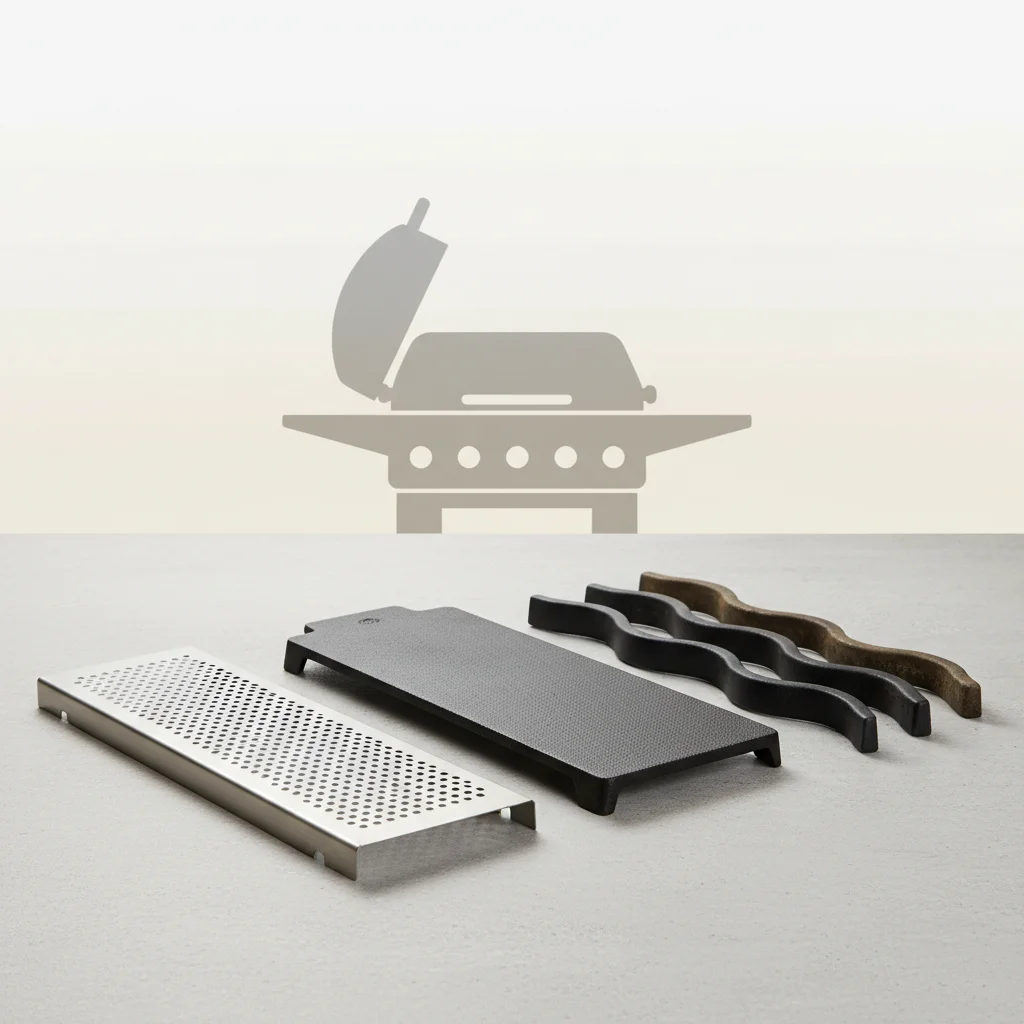
Gas grill burner covers, also known as flame tamers or heat tents, can significantly extend the lifespan of your grill’s burners by protecting them from grease drippings and food debris. While not strictly essential for every grilling session, they offer a crucial barrier that prevents premature corrosion and clogging, ultimately saving you money on replacement parts and ensuring more consistent heat distribution.
Understanding the Role of Burner Covers
Burner covers serve multiple functions beyond just protection. They are designed to vaporize drippings, creating that smoky flavor we associate with grilling, and to distribute heat evenly across the cooking surface. Without them, direct flame exposure to food can lead to flare-ups and uneven cooking. The material and design of these covers play a critical role in their effectiveness and durability.
Types of Gas Grill Burner Covers
There are several types of burner covers available, each with its own advantages. Stainless steel covers are popular for their durability and rust resistance, often lasting for many years. Porcelain-enameled steel offers good heat distribution and is easier to clean, though the enamel can chip over time. Cast iron covers retain heat exceptionally well, providing consistent temperatures, but require more maintenance to prevent rust. Some newer designs feature ceramic or composite materials for enhanced performance.
- Stainless Steel: Excellent durability and rust resistance.
- Porcelain-Enameled Steel: Good heat distribution, easy to clean.
- Cast Iron: Superior heat retention, requires regular seasoning.
- Ceramic/Composite: Advanced materials for specialized heat management.
Installation and Maintenance Tips
|
Our Picks for the Best Gas Grill in 2026
As an Amazon Associate I earn from qualifying purchases.
|
||
| Num | Product | Action |
|---|---|---|
| 1 | GasOne GP-1030S One 3 Burner Stainless Steel– Outdoor Cabinet Style with Wheels-High-Temperature Paint Coating Gas BBQ Grill – Elegant and Luxurious Design, Black |

|
| 2 | R.W.FLAME 4-Burner Propane Gas Grill with Side Burner, Stainless Steel Propane Grill 42000BTU for Outdoor Cooking, with Porcelain-Enameled Cast Iron Grates, Baking Pan, Silver |
|
| 3 | 2 Burner Propane Gas Grill with 26,500 BTUs Output, Porcelain-Enamel Main Body and Lid, Propane BBQ Grill with Warming Rack & Side Tables for Patio, Backyard, Poolside Gatherings |
|
| 4 | Cuisinart Chef's Style Tabletop Portable Propane Grill, 20,000 BTU Stainless Steel 2-Burner Outdoor Gas Grill for Camping, Tailgates, BBQ, Hassle-Free Setup, Twist-Start Ignition, CGG-306 |
|
| 5 | Black Portable Gas Grill, Dual 10,000 BTU Burners, 275 Sq.In Cooking Space, Push-to-Start Ignition, Wind-Proof Lid with Built-in Thermometer, Perfect for Camping Tailgates & Backyard BBQ Cookouts |
|
| 6 | Endark 4-burner propane gas grill | Stainless steel construction | Dual side racks and wheels | Designed for patio, garden, and backyard cooking |
|
| 7 | Monument Grills 4 Burner Propane Gas Grill, Stainless Steel Outdoor Patio Barbecue Grill, with Broil Zone Fast Heating, Knob Control, and Easy Cleanup, M410MBZ |
|
| 8 | Endark 3-burner Propane Gas Grill | 37,000 BTU Stainless Steel with Side-iFre Function | with Enameled Cast Iron Grate,Thermometer and Side Stand Wheels | Great for Patio and Garden Outdoor Cooking |
|
| 9 | WAA Portable Propane Griddle, Tabletop Portable Propane Gas Grill, Stainless Steel Flat Top Grill, Outdoor Cooking for Tailgating,Camping, RVs, BBQ, Patio, Silver (3-Burner-2) |
|
| 10 | Tabletop Gas Grill 3-Burner, 22-inch Portable Propane Grill, 30,000 BTUs Stainless Steel Grill with Foldable Legs, Ideal for BBQ, Camping, Patio, Backyard, Tailgate, and Holiday Gatherings |
|
Installing gas grill burner covers is typically a straightforward process, often involving simply placing them over the burners. For optimal performance and longevity, regular cleaning is essential. After each use, allow the grill to cool, then scrape off any accumulated grease and food particles. A wire brush or a specialized grill cleaning tool works best. For stubborn residue, a degreaser can be used. Proper maintenance ensures that the covers continue to protect your burners effectively and contribute to better grilling results.
When to Replace Your Burner Covers
Even with diligent cleaning, burner covers will eventually wear out. Signs that it’s time for replacement include significant rust, warping, or holes that compromise their ability to protect the burners and distribute heat. A good rule of thumb is to inspect them annually. Depending on usage and material, covers might last anywhere from 2 to 5 years. Replacing them proactively can prevent more costly damage to your grill’s internal components.
The Impact on Grill Performance and Longevity
Investing in quality gas grill burner covers and maintaining them properly is a small effort that yields significant returns. They not only protect your burners from premature wear and tear but also contribute to a more enjoyable grilling experience by reducing flare-ups and ensuring even cooking. This proactive approach to grill care can extend the overall life of your gas grill by several years, making it a worthwhile consideration for any grill owner.
