The irresistible aroma of grilled food signals good times, but operating a propane gas grill demands attention to safety. As an Admin for ReviewLyze.com with over a decade of experience in grilling, I know firsthand that while propane grills offer convenience and precise temperature control, their use requires a thorough understanding of safety protocols to prevent accidents, fires, and injuries. This guide provides essential, reliable information to ensure your grilling experience is not only delicious but also consistently safe, from initial setup to emergency preparedness.
Understanding Your Propane Gas Grill and Safety Essentials
A propane gas grill utilizes liquid petroleum gas (LPG) stored under pressure in a tank, which flows through a regulator and hose to burners, providing a clean and efficient heat source for cooking. These grills are exceptionally popular due to their instant ignition, quick heating capabilities, and the ease with which one can control the cooking temperature, making them a staple for countless backyard barbecues and outdoor gatherings. However, this convenience comes with inherent responsibilities, as propane is a highly flammable gas that can pose significant risks, including fire, explosion, and gas leaks, if not handled correctly.
The history of gas grills dates back to the 1930s, evolving significantly over the decades to become the sophisticated appliances we see today. Their widespread adoption has made understanding safety paramount, as even minor oversights can lead to dangerous situations. Propane grills, while offering a safer alternative to some traditional methods by eliminating ash and charcoal, still require diligent adherence to safety guidelines. Prioritizing safety means being aware of your grill’s mechanics, proper setup, and the potential hazards associated with propane, transforming a potentially risky activity into a secure and enjoyable culinary pursuit.
Key Principles of Propane Grill Safety
Ensuring the safe operation of your propane grill begins with its placement and the environment in which it is used. The most fundamental rule is the “10-Foot Rule,” mandating that your grill be positioned at least 10 feet (approximately 3 meters) away from any combustible materials or structures. This includes your house, deck railings, fences, trees, and overhanging eaves, which can easily catch fire from stray sparks or intense heat, transforming a joyous cookout into a perilous incident. This critical distance creates a buffer zone, significantly reducing the risk of fire spreading to surrounding property.
Beyond distance, the immediate environment of your grill also plays a vital role in preventing accidents. Always place your propane grill on a stable, level surface, such as concrete, pavement, or a stone patio, to prevent it from tipping over. An unstable grill, especially one filled with hot food and a pressurized gas tank, can be extremely dangerous if it falls. Adequate ventilation is also non-negotiable; your grill must always be used outdoors in an open area. Grilling indoors, in garages, or on balconies is a strict prohibition. These confined spaces can allow propane gas to accumulate, creating an explosive atmosphere, and also pose a severe risk of carbon monoxide poisoning, an odorless and colorless gas that can be deadly.
Pre-Grill Checks: Leak Detection and Cylinder Integrity
Before every use, a thorough inspection of your propane tank and its connections is a critical step to ensure a safe grilling session. Propane tanks, while designed for durability, can develop issues over time, such as dents, rust, or damage to valves and hoses, all of which can compromise their integrity and lead to dangerous gas leaks. Neglecting these inspections can turn a minor flaw into a significant hazard, as even a small leak can escalate into a fire or explosion, especially when exposed to an ignition source.
The most effective and safest method for detecting a gas leak is the soapy water test. To perform this, mix equal parts of water and liquid dish soap in a spray bottle or bowl. With the propane tank valve open (but the grill burners off), apply the solution generously to all connections between the tank and the grill, including the valve, regulator, and hose. If you observe any bubbles forming or growing, it indicates a gas leak. In the event of a detected leak, immediately turn off the gas supply at the tank valve, move yourself and others to a safe distance, and refrain from attempting to ignite the grill or any other flame source nearby. It is crucial to contact emergency services or a qualified technician to address the leak; never try to repair a damaged tank or hose yourself, as this requires specialized expertise.
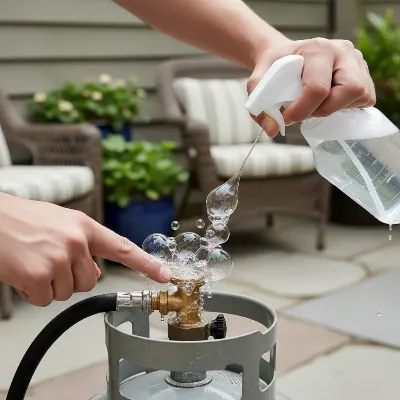 Man performing a soapy water leak test on a propane gas grill hose and connections
Safe Propane Cylinder Handling and Storage
Proper handling and storage of propane cylinders are just as vital as the grilling process itself. Always store propane cylinders outdoors, in an upright (vertical) position, and away from any potential sources of ignition such as open flames, excessive heat, electrical equipment, or even direct sunlight on a hot day. Storing them upright ensures the pressure relief valve functions correctly, preventing liquid propane from escaping, which can lead to a dangerous vapor cloud. Never store spare cylinders under or near your grill, and always keep them in a well-ventilated area, accessible but protected from accidental impact.
Transporting propane cylinders also requires careful attention to safety. When moving a cylinder, whether from the store to your home or for a refill, ensure it is securely placed in an upright position in your vehicle. The vehicle should be well-ventilated, and the cylinder valve must be closed and ideally plugged or capped to prevent any accidental leaks. Crucially, never leave a propane cylinder in a hot vehicle, as extreme temperatures can cause the pressure inside the tank to build to dangerous levels, potentially leading to a rupture or explosion. Additionally, it is essential to refrain from smoking while handling propane cylinders to avoid any ignition of gas vapors.
Operating Your Grill Safely: Lighting and Supervision
The moment you light your propane grill is one of the most critical stages, requiring specific safety measures to prevent flare-ups and explosions. A paramount rule is to always open the grill lid before lighting the burners. Failing to do so can allow propane gas to accumulate inside the closed grill chamber. When ignited, this concentrated gas can result in a sudden and dangerous flash fire or explosion, potentially causing severe burns or injuries. After opening the lid, slowly turn on the gas supply at the tank, then ignite the burners one by one, following your grill manufacturer’s specific instructions. If the burner does not ignite within a few seconds, turn off the gas, open the lid, and wait for any accumulated gas to disperse before attempting to light it again.
Once your grill is lit and operating, consistent supervision is non-negotiable. Never leave a lit grill unattended, even for a few minutes. Flare-ups can occur quickly, and an unsupervised grill is a recipe for disaster, allowing a small flame to escalate into an uncontrolled fire or presenting a hazard to curious children or pets. Designate a clear “grilling zone” and ensure that children and pets are kept at a safe distance from the hot surfaces and open flames. Your constant presence allows you to monitor cooking, manage temperatures, and respond immediately to any unexpected issues, ensuring a safe and successful grilling experience for everyone.
Maintenance for a Safer Grilling Experience
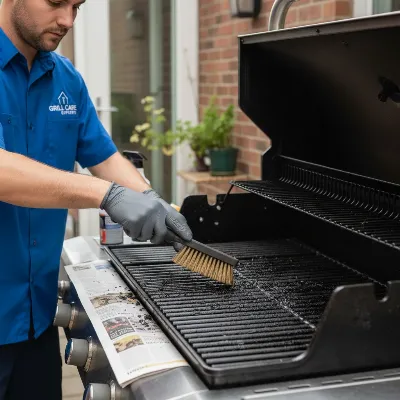
Consistent maintenance is the backbone of propane grill safety, significantly reducing the risk of fires and malfunctions. Grease buildup is a primary cause of grill fires, so it is imperative to clean your grill after every use. Scrape off food residue from the grates, empty the grease tray, and clean drip pans regularly. Periodically, perform a deeper cleaning of the entire grill, including the burner covers, burners, and the interior of the firebox, to remove any accumulated grease and debris that could ignite.
Beyond cleaning, routine inspections of your grill’s components are crucial. Check burner tubes for any blockages from insects, rust, or food particles, as these can impede gas flow and lead to uneven heating or dangerous gas leaks. Ensure that all connections, including hoses and regulators, are secure and free from cracks or damage. When your grill is not in use, always turn off the burner controls and close the cylinder valve to prevent accidental gas release. After grilling, allow the grill to cool completely before covering it to avoid trapping heat or causing damage to the cover. For long-term storage, consider covering disconnected hose-end fittings and burner air intakes with small plastic bags or protective caps to keep out dirt, insects, and moisture, prolonging the life and safety of your grill.
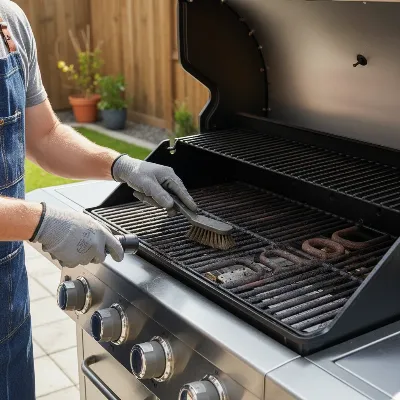 Person cleaning and inspecting a propane gas grill for safety
Emergency Preparedness: What to Do When Things Go Wrong
Even with diligent safety practices, accidents can happen, making emergency preparedness a crucial component of safe grilling. Always have the right fire extinguishing tools readily accessible. A fire extinguisher rated for grease and gas fires (Class B or BC) should be kept within reach but not so close to the grill that heat could damage it or make it inaccessible during an emergency. Familiarize yourself with how to operate it before you grill. As an alternative or supplement, a box of baking soda can be effective for smothering small grease fires; never use water on a grease fire, as it can spread the flames.
In the event of a grill fire, prioritize safety above all else. If it is safe to do so, immediately turn off the gas supply at the propane tank valve. Then, close the grill lid to help smother the flames. If the fire is small and manageable, use your fire extinguisher or baking soda to put it out. However, if the fire is uncontrollable, rapidly spreading, or if you suspect a significant gas leak, evacuate everyone from the area immediately and call emergency services (like the fire department) without delay. Knowing these steps and acting quickly can prevent serious injury and extensive property damage.
“Grilling safely isn’t just about preventing accidents; it’s about respecting the power of propane. Proper preparation and quick thinking in an emergency can make all the difference.” – Sarah Miller, Certified Grilling Safety Expert
Conclusion
Propane gas grills offer an unmatched combination of convenience and culinary versatility, making them a favorite for outdoor cooking enthusiasts worldwide. However, enjoying these benefits responsibly hinges entirely on a steadfast commitment to safety. From the initial placement of your grill—observing the critical 10-foot rule and ensuring ample ventilation—to performing meticulous pre-grill leak checks, every step plays a vital role in preventing potential hazards. Adhering to safe lighting procedures, maintaining constant supervision, and conducting regular, thorough cleaning and maintenance are not merely suggestions but indispensable practices that safeguard against fires and unforeseen incidents. Being prepared for emergencies with the right tools and knowledge further reinforces your ability to handle any situation calmly and effectively. By integrating these essential safety tips into every grilling session, you can confidently fire up your propane gas grill, creating delicious meals and cherished memories without compromise. What safety tip have you found most crucial for a worry-free grilling experience?
Câu Hỏi Thường Gặp
How far should a propane grill be from a house?
|
Our Picks for the Best Gas Grill in 2026
As an Amazon Associate I earn from qualifying purchases.
|
||
| Num | Product | Action |
|---|---|---|
| 1 | R.W.FLAME 4-Burner Propane Gas Grill with Side Burner, Stainless Steel Propane Grill 42000BTU for Outdoor Cooking, with Porcelain-Enameled Cast Iron Grates, Baking Pan, Silver |

|
| 2 | Cuisinart Chef's Style Tabletop Portable Propane Grill, 20,000 BTU Stainless Steel 2-Burner Outdoor Gas Grill for Camping, Tailgates, BBQ, Hassle-Free Setup, Twist-Start Ignition, CGG-306 |
|
| 3 | Endark 3-burner Propane Gas Grill | 37,000 BTU Stainless Steel with Side-iFre Function | with Enameled Cast Iron Grate,Thermometer and Side Stand Wheels | Great for Patio and Garden Outdoor Cooking |
|
| 4 | Endark 4-burner propane gas grill | Stainless steel construction | Dual side racks and wheels | Designed for patio, garden, and backyard cooking |
|
| 5 | 2 Burner Propane Gas Grill with 26,500 BTUs Output, Porcelain-Enamel Main Body and Lid, Propane BBQ Grill with Warming Rack & Side Tables for Patio, Backyard, Poolside Gatherings |
|
| 6 | Black Portable Gas Grill, Dual 10,000 BTU Burners, 275 Sq.In Cooking Space, Push-to-Start Ignition, Wind-Proof Lid with Built-in Thermometer, Perfect for Camping Tailgates & Backyard BBQ Cookouts |
|
| 7 | WAA Portable Propane Griddle, Tabletop Portable Propane Gas Grill, Stainless Steel Flat Top Grill, Outdoor Cooking for Tailgating,Camping, RVs, BBQ, Patio, Silver (3-Burner-2) |
|
| 8 | Monument Grills 4 Burner Propane Gas Grill, Stainless Steel Outdoor Patio Barbecue Grill, with Broil Zone Fast Heating, Knob Control, and Easy Cleanup, M410MBZ |
|
| 9 | Tabletop Gas Grill 3-Burner, 22-inch Portable Propane Grill, 30,000 BTUs Stainless Steel Grill with Foldable Legs, Ideal for BBQ, Camping, Patio, Backyard, Tailgate, and Holiday Gatherings |
|
| 10 | GasOne GP-1030S One 3 Burner Stainless Steel– Outdoor Cabinet Style with Wheels-High-Temperature Paint Coating Gas BBQ Grill – Elegant and Luxurious Design, Black |
|
A propane Gas Grill should be placed at least 10 feet (approximately 3 meters) away from any structures, including your house, deck railings, and overhanging eaves, as well as any combustible materials. This distance helps to prevent the spread of fire from sparks or heat.
Can a propane tank explode in the heat?
Yes, a propane tank can explode if exposed to extreme heat, such as being left in a hot vehicle or near an open flame. High temperatures cause the pressure inside the tank to build, and while tanks have pressure relief valves, excessive heat can still lead to dangerous ruptures.
What does a gas leak from a grill smell like?
Propane gas is naturally odorless, but manufacturers add an additive called mercaptan, which gives it a distinct rotten egg or sulfur-like smell. If you detect this odor near your grill, it is a strong indicator of a gas leak.
Is it safe to store a propane tank under the grill?
No, it is generally unsafe to store a spare propane tank directly under or next to the grill, even if disconnected. This practice exposes the tank to ambient heat from the grill, which can increase internal pressure and pose a fire or explosion hazard. Always store tanks outdoors and away from heat sources.
How often should I check my grill for leaks?
You should inspect your propane grill and perform a soapy water leak test on all connections every time you use it. This quick check ensures that any potential leaks are identified and addressed immediately, preventing them from becoming a serious safety concern.