Built-in gas grills are a cornerstone of sophisticated outdoor living, offering a permanent, integrated cooking solution for custom outdoor kitchens. Unlike freestanding models, these grills are designed to be seamlessly installed into a counter or island, providing a cohesive and luxurious aesthetic. The best built-in gas grills for outdoor kitchens in 2026, such as the Lynx Professional L30-2LP/NG and Napoleon Prestige PRO 500 RBPSS-3, feature high-grade 304 stainless steel construction, powerful BTU outputs (typically 60,000-80,000 BTUs), and advanced features like infrared burners and reliable ignition systems.
Understanding Built-In Gas Grills for Your Outdoor Kitchen
What exactly defines a built-in gas grill, and why has it become the undisputed centerpiece for contemporary outdoor kitchens? Unlike their freestanding counterparts, built-in gas grills are designed to be permanently installed into a custom counter or island, seamlessly integrating with the surrounding cabinetry and materials. This integration creates a cohesive and often luxurious aesthetic, transforming a simple backyard into a dedicated culinary and entertaining hub.
The evolution of outdoor cooking has moved beyond mere functionality to embrace design and experience. Early outdoor cooking often involved portable grills, but as homes grew, so did the desire for more permanent and polished outdoor living spaces. Built-in grills emerged as a premium solution, offering robust construction, advanced features, and a sleek look that complements modern landscape architecture. They signify a commitment to serious outdoor cooking and entertaining, providing a professional-grade station that stands ready for any culinary adventure.
Advantages and Disadvantages of Built-In Gas Grills
Choosing a built-in gas grill involves weighing specific benefits against potential drawbacks, especially compared to other grilling options. Understanding these can help you determine if this sophisticated solution aligns with your outdoor lifestyle and budget.
Advantages:
- Seamless Aesthetics and Integration: Built-in grills offer unparalleled visual harmony, blending effortlessly into your outdoor kitchen design. This creates a custom, high-end look that is both functional and beautiful.
- Enhanced Durability and Quality: Typically, built-in models are constructed with higher-grade materials like 304 stainless steel, designed to withstand harsh outdoor elements and frequent use, leading to a longer lifespan.
- Dedicated Cooking Station: A built-in setup provides a stable, permanent cooking zone, often accompanied by prep areas, sinks, and refrigeration, optimizing your outdoor culinary workflow.
- Increased Home Value: A well-designed outdoor kitchen with a premium built-in grill is a significant upgrade that can enhance your property’s appeal and resale value.
- Powerful Performance: These grills often feature robust burners, advanced heat distribution, and high BTU outputs, delivering superior cooking performance for a wide range of dishes.
Disadvantages:
- Higher Initial Cost: The total investment for a built-in setup is significantly higher, encompassing not only the grill itself but also custom cabinetry, countertop materials, and professional installation services.
- Lack of Portability: Once installed, a built-in grill is permanent. It cannot be easily moved or reconfigured, which requires careful planning of your outdoor kitchen layout from the start.
- Complex Installation: Installing a built-in grill involves precise measurements, gas line connections, and often electrical work for rotisseries or lighting, typically requiring professional expertise.
- Maintenance within a Fixed Structure: While durable, maintenance can sometimes be more involved due to the fixed nature of the installation. Access to certain components for repair or cleaning might be restricted compared to a freestanding unit.
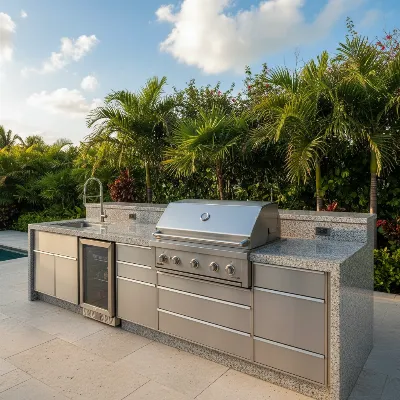 A luxurious outdoor kitchen featuring a sleek, modern built-in gas grill integrated into a stone counter
Built-In Gas Grills vs. Other Outdoor Cooking Solutions
When designing your ultimate outdoor kitchen, it’s essential to understand how built-in gas grills compare to other popular outdoor cooking options. Each type offers a distinct experience, impacting flavor, convenience, and overall design.
Built-In Gas Grills vs. Freestanding Gas Grills
|
Our Picks for the Best Gas Grill in 2026
As an Amazon Associate I earn from qualifying purchases.
|
||
| Num | Product | Action |
|---|---|---|
| 1 | Black Portable Gas Grill, Dual 10,000 BTU Burners, 275 Sq.In Cooking Space, Push-to-Start Ignition, Wind-Proof Lid with Built-in Thermometer, Perfect for Camping Tailgates & Backyard BBQ Cookouts |

|
| 2 | Tabletop Gas Grill 3-Burner, 22-inch Portable Propane Grill, 30,000 BTUs Stainless Steel Grill with Foldable Legs, Ideal for BBQ, Camping, Patio, Backyard, Tailgate, and Holiday Gatherings |
|
| 3 | Monument Grills 4 Burner Propane Gas Grill, Stainless Steel Outdoor Patio Barbecue Grill, with Broil Zone Fast Heating, Knob Control, and Easy Cleanup, M410MBZ |
|
| 4 | 2 Burner Propane Gas Grill with 26,500 BTUs Output, Porcelain-Enamel Main Body and Lid, Propane BBQ Grill with Warming Rack & Side Tables for Patio, Backyard, Poolside Gatherings |
|
| 5 | Endark 4-burner propane gas grill | Stainless steel construction | Dual side racks and wheels | Designed for patio, garden, and backyard cooking |
|
| 6 | Cuisinart Chef's Style Tabletop Portable Propane Grill, 20,000 BTU Stainless Steel 2-Burner Outdoor Gas Grill for Camping, Tailgates, BBQ, Hassle-Free Setup, Twist-Start Ignition, CGG-306 |
|
| 7 | GasOne GP-1030S One 3 Burner Stainless Steel– Outdoor Cabinet Style with Wheels-High-Temperature Paint Coating Gas BBQ Grill – Elegant and Luxurious Design, Black |
|
| 8 | Endark 3-burner Propane Gas Grill | 37,000 BTU Stainless Steel with Side-iFre Function | with Enameled Cast Iron Grate,Thermometer and Side Stand Wheels | Great for Patio and Garden Outdoor Cooking |
|
| 9 | R.W.FLAME 4-Burner Propane Gas Grill with Side Burner, Stainless Steel Propane Grill 42000BTU for Outdoor Cooking, with Porcelain-Enameled Cast Iron Grates, Baking Pan, Silver |
|
| 10 | WAA Portable Propane Griddle, Tabletop Portable Propane Gas Grill, Stainless Steel Flat Top Grill, Outdoor Cooking for Tailgating,Camping, RVs, BBQ, Patio, Silver (3-Burner-2) |
|
The primary distinction lies in permanence and aesthetic integration. Freestanding gas grills are mobile units on carts, offering flexibility in placement and often a lower initial cost. However, they lack the seamless, custom look of a built-in unit. Built-in grills, once installed, are part of the architecture, providing a sophisticated, dedicated cooking space with typically higher-end features and superior durability. While a freestanding grill might serve a casual griller well, a built-in unit elevates the entire outdoor cooking experience.
Built-In Gas Grills vs. Charcoal Grills
For the purist, charcoal grills are synonymous with that distinct smoky flavor, but they demand more time for heat-up and cleanup, and temperature control can be challenging. Gas grills, including built-in models, offer instant heat, precise temperature management, and quick cleanup, prioritizing convenience without sacrificing performance. While built-in gas grills don’t naturally impart smoky flavor, many offer smoker box accessories or dedicated smoker burner features to bridge this gap.
Built-In Gas Grills vs. Electric Grills
Electric grills are often praised for their convenience and compact size, making them suitable for balconies or areas with restrictions on open flames. However, they generally lack the raw power and high heat output of gas grills, which can affect searing capabilities and overall cooking speed. Built-in gas grills provide robust power, allowing for extensive cooking, high-temperature searing, and versatility that electric models simply cannot match, making them ideal for serious outdoor chefs.
Essential Factors When Choosing Your Built-In Gas Grill
Selecting the perfect built-in gas grill requires careful consideration of several key factors that influence performance, durability, and your overall grilling satisfaction. Making informed choices here will ensure your grill meets your specific needs.
Size and Cooking Power (BTUs)
The right size grill should match your entertaining habits. Consider the primary cooking area (square inches) – enough to comfortably cook for your typical guest count. BTU (British Thermal Unit) ratings indicate the grill’s heat output. While a higher BTU count generally means more power, it’s the distribution and efficiency of that heat that truly matters. Look for a balance of total BTU and efficient burner design to ensure even cooking across the entire surface. For most families, a primary cooking area of 400-600 square inches with 40,000-60,000 BTUs is a great starting point.
Material Quality
This is paramount for an outdoor appliance. The gold standard for built-in gas grills is 304-grade stainless steel. This high-quality alloy offers superior corrosion resistance, making it ideal for resisting rust and weathering in various climates. Check if the burners, cooking grates, and internal components are also made from 304 stainless steel, as these parts endure the most extreme conditions. Lower grades like 430 stainless steel are more susceptible to rust and are typically found in less expensive, less durable units.
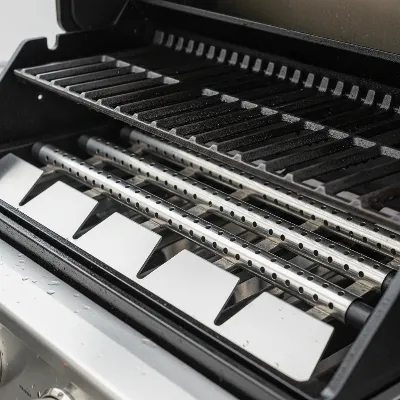 A close-up view of high-quality 304-grade stainless steel burners and sturdy cooking grates within a built-in gas grill
Burner Configuration and Type
The number and type of burners directly impact your cooking versatility. Most grills feature standard tube or cast burners, providing consistent heat. Many high-end built-in grills also incorporate infrared burners, which deliver intense, radiant heat for perfect searing, creating a professional crust on steaks and chops. Some models offer ceramic or even rotisserie burners for specialized cooking. More burners mean more distinct heat zones, allowing you to simultaneously cook different foods at varying temperatures.
Ignition System
A reliable ignition system is crucial for a frustration-free grilling experience. Look for systems that ignite burners quickly and consistently, such as continuous spark or flame-thrower igniters. Individual igniters for each burner are a plus, ensuring that even if one fails, the others will still light. Electronic ignitions are common, but their durability varies, so research brand reputation.
Additional Features
Many built-in grills offer features that enhance convenience and expand cooking possibilities:
- Rotisserie Kits: A rear infrared burner and a motor-driven spit are perfect for slow-roasting poultry or large cuts of meat.
- Internal Lighting: Halogen lights within the grill hood allow for clear visibility during evening grilling sessions.
- Smoker Boxes: Integrated or removable boxes let you add wood chips for smoky flavor.
- Side Burners: While often separate modules in an outdoor kitchen, integrated side burners within the grill head itself can offer additional cooking versatility for sauces or side dishes.
- Warming Racks: Essential for keeping food warm without overcooking.
- Grease Management System: An efficient system ensures easy cleanup and reduces flare-ups.
Brand Reputation and Warranty
Invest in a reputable brand known for quality and customer service. Brands like Lynx, Napoleon, Blaze, Summerset, and Weber consistently receive high marks in the built-in grill category. A strong warranty, especially on burners (often lifetime), is a testament to a manufacturer’s confidence in their product and offers peace of mind.
Comparison Table: Top Built-In Gas Grills for Outdoor Kitchens (2026 Models)
Selecting from the best can be daunting, so here’s a comparative look at some of the top built-in gas grills that continue to define excellence in 2026. These models offer a blend of power, durability, and innovative features for the discerning outdoor chef.
| Model (Brand) | Primary Cooking Area (sq. in.) | Total BTU | Material (Stainless Steel Grade) | Key Features | Estimated Price Range |
|---|---|---|---|---|---|
| Lynx Professional L30-2LP/NG | ~600 | ~70,000 | 304 | TruSear Infrared Burner, Cast Ceramic Burners, Halogen Lights, Rotisserie | $$$$$ |
| Napoleon Prestige PRO 500 RBPSS-3 | ~500 | ~80,000 | 304 | Infrared Rear & Side Burner, JETFIRE Ignition, LED Spectrum NIGHT LIGHT Knobs | $$$$ |
| Blaze Professional LUX 34-inch | ~615 | ~66,000 | 304 | Cast Stainless Steel Burners, Heat Zone Separators, Infrared Rear Burner | $$$ |
| Summerset TRLD 38-inch | ~790 | ~72,000 | 304 | Commercial Grade Cast Stainless Burners, Flame Thrower Ignition, Halogen Lights | $$$ |
| Weber Summit S-460 Built-In | ~468 | ~60,000 | 304 | Snap-Jet Ignition, Sear Station, Smoker Box, Rear-Mounted Infrared Burner | $$$$ |
Note: Price ranges are illustrative (e.g., $$$ is mid-range, $$$$$ is premium luxury) and can vary significantly based on retailer, promotions, and specific configurations. Always verify current specifications and pricing.
A Step-by-Step Guide to Purchasing Your Built-In Gas Grill
The journey to owning the perfect built-in gas grill is an exciting one, but it requires a structured approach to ensure satisfaction. Follow these steps to make an informed decision.
Define Your Needs and Budget
Before diving into models, clearly outline how you intend to use your outdoor kitchen. How often will you grill? What types of food will you cook? How many people do you typically host? Equally important is establishing a realistic budget. Remember, a built-in grill is part of a larger outdoor kitchen investment, so factor in costs for cabinetry, countertops, and installation.
Research Brands and Models
Armed with your needs and budget, delve into research. Go beyond just the comparison table; read in-depth reviews from trusted sources, watch video demonstrations, and explore manufacturers’ websites. Pay close attention to user feedback regarding performance, durability, and customer service. Look for models that align with your aesthetic preferences and required features.
> “Choosing a built-in grill is more than just picking a cooking appliance; it’s selecting the heart of your outdoor entertaining space. Prioritize quality materials and a reputable brand, as this grill will be a permanent fixture for years to come.” – Johnathan Hayes, Senior Outdoor Kitchen Designer
Consider Professional Consultation
For complex outdoor kitchen designs, or if you’re unsure about gas line requirements and clearances, consulting with an outdoor kitchen designer or a licensed contractor is highly recommended. They can help with layout, material selection, and ensure all safety codes and regulations are met, preventing costly mistakes down the line.
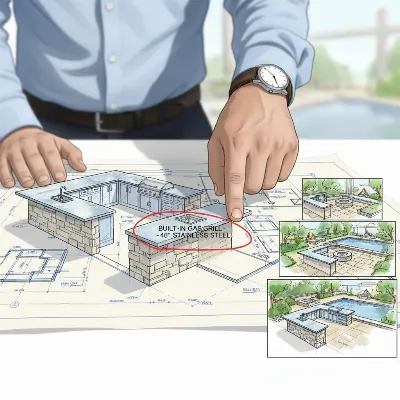 A person reviewing blueprints for an outdoor kitchen, pointing at the designated space for a built-in gas grill
Verify Retailer Reputation
Purchase your built-in gas grill from authorized and reputable retailers. This ensures you receive an authentic product, valid warranty coverage, and reliable after-sales support. Check online reviews and ask for recommendations from friends or local professionals. A good retailer can also offer valuable insights and installation advice.
Inspect Before Installation
Once your grill arrives, thoroughly inspect it for any shipping damage or manufacturing defects before installation begins. It’s much easier to address issues when the grill is still in its packaging than after it’s been integrated into your outdoor kitchen. Document any concerns with photos and contact your retailer immediately.
Maximizing Longevity: Tips for Using and Maintaining Your Built-In Gas Grill
A built-in gas grill is a significant investment, and proper care will ensure it performs beautifully for many years. Regular use and maintenance are key to preserving its functionality and aesthetic appeal.
Regular Cleaning Routine
After every use, perform a quick clean of the cooking grates. Burn off any food residue, then brush the grates while they are still warm. Periodically, (e.g., monthly or every 10-15 uses), perform a deeper clean. Remove the grates and flavorizer bars (heat deflectors), scraping them clean of built-up grease and debris. Clean out the grease tray regularly to prevent flare-ups and blockages. A mild soap and water solution works well for stainless steel surfaces, followed by a rinse and dry.
Burner and Igniter Care
Inspect your burners periodically for clogged ports, which can cause uneven flames. Use a small wire brush or a paperclip to clear any obstructions. Ensure igniters are clean and making proper contact with the burner for reliable ignition. If an igniter consistently fails, it may need to be replaced.
Gas Line Safety
Annually, inspect your gas lines for any signs of wear, cracks, or leaks. A simple way to check for leaks is to apply a soapy water solution to all connections; if bubbles appear, you have a leak. Turn off the gas supply immediately and have a professional address the issue. Always ensure proper ventilation around the grill head to prevent gas buildup.
Winterization and Storage
If you live in a region with harsh winters, properly winterizing your built-in grill is crucial. Disconnect the gas supply, clean the grill thoroughly, and remove any perishable items or accessories. Cover your grill with a high-quality, weather-resistant cover specifically designed for built-in units. This protects the stainless steel from moisture, snow, and ice, extending its lifespan.
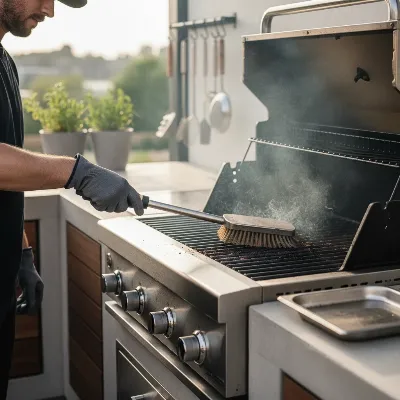 A person diligently cleaning the grates of a built-in gas grill with a brush after cooking
Addressing Common Issues
- Flare-ups: Often caused by excessive grease buildup. Regular cleaning of grates and grease trays can mitigate this.
- Uneven Heating: Can be caused by clogged burner ports or faulty heat deflectors. Clean burners and inspect deflectors for damage.
Frequently Asked Questions
What is the main difference between built-in and freestanding gas grills?
The main difference is permanence and aesthetic integration. Built-in gas grills are permanently installed into a custom counter or island, creating a seamless, high-end look, while freestanding grills are mobile units on carts offering flexibility in placement.
What material is best for a durable built-in gas grill?
The gold standard for built-in gas grills is 304-grade stainless steel. This high-quality alloy offers superior corrosion resistance, making it ideal for resisting rust and weathering in various climates, ensuring a longer lifespan for the appliance.
How many BTUs are recommended for a family-sized built-in gas grill?
For most families, a built-in gas grill with a primary cooking area of 400-600 square inches and a total BTU output of 40,000-60,000 BTUs is a great starting point. The efficiency and distribution of heat are also crucial, not just the total BTU count.
What are the key advantages of choosing a built-in gas grill?
Key advantages include seamless aesthetics, enhanced durability with materials like 304 stainless steel, a dedicated cooking station, increased home value, and powerful cooking performance. These grills integrate beautifully into outdoor kitchen designs.
How often should I clean my built-in gas grill for optimal performance?
You should perform a quick clean of the cooking grates after every use. A deeper clean, involving removing grates and flavorizer bars, should be done periodically, such as monthly or every 10-15 uses, to prevent grease buildup and flare-ups.
How to Purchase Your Built-In Gas Grill
Follow these steps to make an informed decision when buying a built-in gas grill for your outdoor kitchen.
Outline how you will use your outdoor kitchen, including grilling frequency and guest count. Establish a realistic budget that accounts for the grill, cabinetry, countertops, and professional installation costs.
Research reputable brands like Lynx, Napoleon, and Blaze. Read in-depth reviews, watch video demonstrations, and explore manufacturer websites to find models that align with your aesthetic and feature requirements.
For complex designs or gas line requirements, consult an outdoor kitchen designer or licensed contractor. They can assist with layout, material selection, and ensure compliance with safety codes and regulations.
Purchase your grill from authorized and reputable retailers to ensure an authentic product, valid warranty, and reliable after-sales support. Check online reviews and seek recommendations.
Thoroughly inspect the grill for any shipping damage or manufacturing defects upon arrival, before installation begins. Document any concerns with photos and contact your retailer immediately for resolution.

The Lynx Professional L30-2LP/NG is an absolute beast! I’ve been using it for a few months now, and the even heat distribution is incredible. It makes grilling everything from burgers to whole chickens a breeze. If you’re serious about your outdoor cooking and want a truly luxurious aesthetic, this is the grill to get.
We went with a built-in grill for our new patio, and the seamless look is exactly what we wanted. The 70,000 BTU output on our model heats up super fast, which is great for weeknight dinners. My only minor gripe is that the grates can be a bit tricky to clean sometimes, but it’s a small price to pay for such a powerful and integrated cooking solution.
I got a built-in grill last year, and while I love the idea of an integrated outdoor kitchen, I’ve had some issues with the ignition system. It sometimes takes a few tries to light, which is a bit frustrating. The cooking performance is solid once it’s going, and the high-grade stainless steel looks great, but I wish the igniter was more reliable.
I finally pulled the trigger on the Napoleon Prestige PRO 500 RBPSS-3 after reading up on it, and I couldn’t be happier. The infrared burner is a game-changer for searing steaks, and the overall build quality with the 304 stainless steel is just fantastic. It really elevated my outdoor kitchen setup, and the installation was smoother than I expected for a built-in unit.