Choosing the right gas grill can feel like a significant decision, especially when you’re faced with an array of sizes and features. You’ve likely encountered the dilemma: do you opt for a compact 2-burner model or a more expansive 4-burner powerhouse? This choice is more than just about size; it’s about aligning a grill with your lifestyle, cooking habits, and available outdoor space. This comprehensive guide will dissect the differences, advantages, and considerations for both 2-burner and 4-burner gas grills, helping you confidently select the perfect companion for your outdoor culinary adventures.
Understanding Gas Grills and Burner Significance
Gas grills have become a cornerstone of outdoor cooking, celebrated for their convenience, efficiency, and precise temperature control. They typically use propane or natural gas, igniting burners to create heat. These burners, often made of stainless steel, cast iron, or brass, are the heart of your grill, generating the flames that cook your food. The number of burners directly influences a grill’s cooking capacity, its ability to create distinct heat zones, and overall versatility. More burners generally mean more cooking surface area and greater flexibility in managing different temperatures across the grate.
2-Burner Gas Grills: Compact Powerhouses
Two-burner gas grills are designed for efficiency and convenience, making them ideal for individuals or small families with limited outdoor space. These models are the agile, space-saving champions, perfect for cozy patios, balconies, or smaller backyards. They pack a respectable punch for their size, capable of searing steaks and grilling burgers for intimate dinners or small gatherings without hogging your entire outdoor area. Their compact nature also translates to quicker heat-up times and often a more budget-friendly price point.
Advantages of 2-Burner Gas Grills
The primary advantages of 2-burner gas grills revolve around their efficiency and ease of use. They are remarkably space-efficient, fitting comfortably in tight spots where larger grills wouldn’t dare. This makes them a go-to for urban dwellers or anyone with a modest outdoor footprint. Furthermore, 2-burner grills are notably fuel-efficient, consuming less gas during operation compared to their larger counterparts, which translates to ongoing operational savings. Their straightforward design simplifies the grilling process, making them excellent for casual cooks or beginners, while still offering the ability to create two distinct heat zones for basic simultaneous cooking.
Disadvantages of 2-Burner Gas Grills
Despite their many benefits, 2-burner gas grills come with certain limitations. Their smaller cooking surface naturally restricts the quantity of food you can prepare simultaneously, making them less suitable for large family reunions or entertaining big groups. The two-burner configuration, while allowing for some temperature differentiation, offers less versatility in creating multiple precise heat zones compared to grills with more burners. This can be a drawback if you frequently enjoy experimenting with diverse cooking techniques that require distinct temperature settings for various dishes.
4-Burner Gas Grills: Versatility for the Entertainer
Four-burner gas grills represent a significant leap in capacity and versatility, making them the preferred choice for larger families, frequent entertainers, and avid grill masters. These substantial units provide ample cooking real estate, allowing you to prepare a wide array of dishes simultaneously. With four independent burners, you gain superior control over heat zones, enabling advanced grilling techniques from high-heat searing to low-and-slow roasting. They transform your backyard into a culinary playground, ready to tackle any menu.
Advantages of 4-Burner Gas Grills
|
Our Picks for the Best Gas Grill in 2026
As an Amazon Associate I earn from qualifying purchases.
|
||
| Num | Product | Action |
|---|---|---|
| 1 | 2 Burner Propane Gas Grill with 26,500 BTUs Output, Porcelain-Enamel Main Body and Lid, Propane BBQ Grill with Warming Rack & Side Tables for Patio, Backyard, Poolside Gatherings |

|
| 2 | Endark 3-burner Propane Gas Grill | 37,000 BTU Stainless Steel with Side-iFre Function | with Enameled Cast Iron Grate,Thermometer and Side Stand Wheels | Great for Patio and Garden Outdoor Cooking |
|
| 3 | R.W.FLAME 4-Burner Propane Gas Grill with Side Burner, Stainless Steel Propane Grill 42000BTU for Outdoor Cooking, with Porcelain-Enameled Cast Iron Grates, Baking Pan, Silver |
|
| 4 | Endark 4-burner propane gas grill | Stainless steel construction | Dual side racks and wheels | Designed for patio, garden, and backyard cooking |
|
| 5 | Cuisinart Chef's Style Tabletop Portable Propane Grill, 20,000 BTU Stainless Steel 2-Burner Outdoor Gas Grill for Camping, Tailgates, BBQ, Hassle-Free Setup, Twist-Start Ignition, CGG-306 |
|
| 6 | GasOne GP-1030S One 3 Burner Stainless Steel– Outdoor Cabinet Style with Wheels-High-Temperature Paint Coating Gas BBQ Grill – Elegant and Luxurious Design, Black |
|
| 7 | Monument Grills 4 Burner Propane Gas Grill, Stainless Steel Outdoor Patio Barbecue Grill, with Broil Zone Fast Heating, Knob Control, and Easy Cleanup, M410MBZ |
|
| 8 | WAA Portable Propane Griddle, Tabletop Portable Propane Gas Grill, Stainless Steel Flat Top Grill, Outdoor Cooking for Tailgating,Camping, RVs, BBQ, Patio, Silver (3-Burner-2) |
|
| 9 | Black Portable Gas Grill, Dual 10,000 BTU Burners, 275 Sq.In Cooking Space, Push-to-Start Ignition, Wind-Proof Lid with Built-in Thermometer, Perfect for Camping Tailgates & Backyard BBQ Cookouts |
|
| 10 | Tabletop Gas Grill 3-Burner, 22-inch Portable Propane Grill, 30,000 BTUs Stainless Steel Grill with Foldable Legs, Ideal for BBQ, Camping, Patio, Backyard, Tailgate, and Holiday Gatherings |
|
The main advantages of 4-burner gas grills lie in their expansive cooking surface and unparalleled temperature control. These grills typically offer 600 to 800 square inches of primary cooking space, providing enough room to cook multiple items for a large group. The four independent burners allow for the creation of distinct heat zones, which is crucial for searing chicken on one side while gently warming vegetables on another, or maintaining different temperatures for various cuts of meat. This versatility extends to supporting premium features like rotisseries or infrared searing burners, pushing the boundaries towards restaurant-quality results.
Disadvantages of 4-Burner Gas Grills
While 4-burner grills offer impressive capabilities, they also come with a few trade-offs. Their larger physical footprint demands more outdoor space, which can be a concern for those with smaller patios or balconies. The initial investment is generally higher than for 2-burner models, reflecting their increased size and often more advanced features. Moreover, these larger grills tend to consume more fuel, leading to higher ongoing operating costs, especially with frequent use. The increased size and complexity can also make cleaning and maintenance a more involved process.
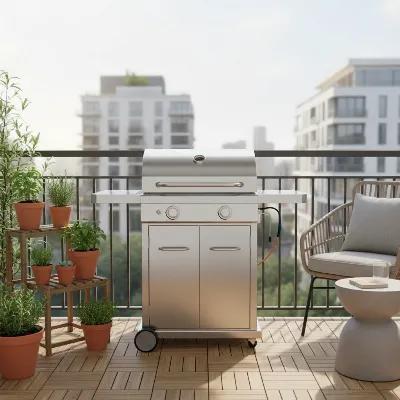 A sleek 2-burner gas grill on a small, urban balcony with potted plants, showing its space-saving design.
Direct Comparison: 2-Burner vs. 4-Burner Gas Grills
The choice between a 2-burner and a 4-burner gas grill ultimately hinges on your specific needs, grilling aspirations, and the constraints of your outdoor environment. Understanding the direct comparisons across key aspects will help clarify which model truly aligns with your lifestyle. From cooking capacity to fuel efficiency, each type offers distinct benefits and drawbacks.
Cooking Area and Capacity
A 2-burner grill typically offers primary cooking surfaces ranging from 300 to 450 square inches, making it suitable for preparing meals for 2 to 6 people. This is enough space for a few steaks, burgers, or chicken breasts along with some vegetables. In contrast, 4-burner grills usually boast a primary cooking area of 600 to 800 square inches or more. This expanded capacity allows you to feed larger crowds, easily accommodating 8-12 people or more, and provides ample room for cooking multiple types of food simultaneously, such as a full rack of ribs alongside grilled corn and potatoes.
Heat Control and Zones
With two independent burners, a 2-burner grill allows for basic two-zone cooking, enabling you to create a hotter side for searing and a cooler side for gentler cooking or warming. This is functional for straightforward grilling tasks. A 4-burner grill, however, excels in heat control by offering four distinct temperature zones. This advanced capability means you can sear at high heat on one end, cook at medium heat in the middle, and use indirect or very low heat on the other end for roasting or warming, providing unmatched flexibility for complex meals and diverse culinary techniques.
Footprint and Portability
The compact dimensions of 2-burner gas grills are one of their most significant advantages. They typically have a width of 40-55 inches (including side shelves), making them perfect for small patios, balconies, or spaces where every inch counts. Many 2-burner models also feature foldable side shelves or wheels, enhancing their portability and ease of storage. Four-burner grills are substantially larger, with widths often ranging from 55 to 70 inches or more. Their size makes them less portable and requires a dedicated, larger space in your backyard or on your deck.
Cost and Fuel Efficiency
Generally, 2-burner gas grills represent a more cost-effective option, both in terms of initial purchase price and ongoing fuel consumption. Their smaller size means they use less gas per cooking session, leading to lower operating costs over time. Prices typically range from $200 to $700 for reputable models. Four-burner grills, with their larger construction and advanced features, come with a higher initial price tag, often ranging from $400 to well over $1,500. Their increased BTU output and larger footprint also mean they consume more fuel, which can add up with frequent use.
Features and Versatility
While 2-burner grills focus on essential grilling functions, many still offer convenient features such as electronic ignition, built-in thermometers, and sometimes even side burners or foldable side shelves. Their versatility is centered on efficient, everyday grilling. Four-burner grills often come loaded with a wider array of premium features designed to enhance the grilling experience, including infrared searing zones, rotisserie kits, integrated digital displays, heavy-duty cast iron grates, and robust stainless steel construction. This makes them incredibly versatile for tackling a vast range of cooking styles and catering to advanced culinary ambitions.
> “The true measure of a grill isn’t just its size, but how well it integrates into your life. A smaller grill often means more spontaneous weeknight meals, while a larger one empowers grand weekend feasts.” – Chef Elena Rodriguez, Outdoor Cooking Expert
Factors to Consider When Choosing Your Gas Grill
Selecting between a 2-burner and a 4-burner gas grill involves a thoughtful evaluation of your personal grilling habits, the size of your social circle, and the physical constraints of your outdoor living area. A careful assessment of these factors will guide you toward the grill that best serves your needs, ensuring years of satisfying outdoor cooking. Consider these elements carefully to make an informed decision.
Grilling Habits and Group Size
Your typical grilling habits and the number of people you usually cook for are paramount. If you primarily cook for yourself, a partner, or a small family (2-4 people), a 2-burner grill offers ample space and efficiency for everyday meals. However, if you frequently host large gatherings, entertain friends and family, or enjoy preparing multiple dishes simultaneously, a 4-burner grill’s generous cooking area and multiple heat zones will be invaluable. It accommodates diverse menus and larger quantities of food with ease.
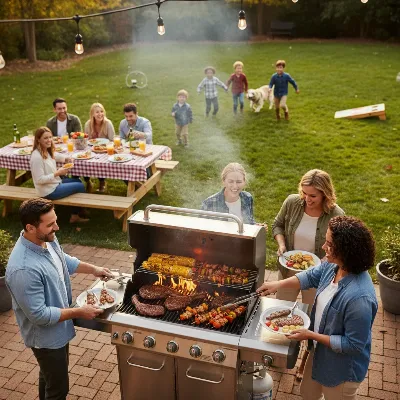 A large 4-burner gas grill cooking various foods for a vibrant family backyard gathering, showcasing its capacity.
Available Space
The physical space you have for your grill is a crucial determinant. Measure your patio, balcony, or backyard grilling area to ensure the grill you choose fits comfortably without feeling cramped. A 2-burner grill is specifically designed for compact spaces, allowing you to maximize limited square footage. Conversely, a 4-burner grill requires a more expansive area, typically a dedicated spot on a spacious deck or in a larger backyard. Consider not just the grill’s footprint but also the necessary clearance around it for safe operation and movement.
Budget
Your budget will naturally play a significant role in your decision. Two-burner gas grills are generally more affordable, both in terms of initial purchase price and ongoing fuel costs, making them an excellent entry-level option or choice for budget-conscious buyers. Four-burner grills, due to their larger size, construction, and often more advanced features, represent a more substantial investment. Factor in not just the upfront cost but also the long-term expenses like propane or natural gas consumption. Prioritize quality and durability within your budget to ensure a lasting investment.
Desired Features
While both types of grills offer core grilling functionality, the number of burners often correlates with the availability of advanced features. If your grilling style is straightforward, a 2-burner grill with basic controls and perhaps foldable side shelves will suffice. However, if you envision more complex culinary tasks, such as rotisserie cooking, smoking, or using a side burner for sauces, a 4-burner grill is more likely to offer these integrated features. Consider what additional functionalities would truly enhance your grilling experience and choose accordingly.
Top Models: A Comparison Overview
To illustrate the typical differences, here’s an overview of characteristics you might find in popular 2-burner versus 4-burner gas grill models. Please note that specific models, prices, and features vary widely by brand and year. This table serves as a general guide to help you differentiate.
| Feature Category | Typical 2-Burner Gas Grill | Typical 4-Burner Gas Grill |
|---|---|---|
| Size (approx.) | Compact (40-55″ W, 20-25″ D) | Large (55-70+” W, 22-28+” D) |
| Cooking Area | 300-450 sq. inches | 600-800+ sq. inches |
| BTU Output | 20,000-30,000 BTUs | 40,000-60,000+ BTUs |
| Material (Common) | Enameled steel, basic stainless steel | Higher-grade stainless steel, cast iron grates |
| Heat Control | 2 distinct heat zones | 4 distinct heat zones, advanced temperature control |
| Target User | Individuals, couples, small families | Larger families, frequent entertainers |
| Features | Electronic ignition, foldable side shelves, basic thermometer | Side burner, rotisserie option, infrared searing, heavy-duty grates, advanced thermometers, cabinet storage |
| Price Range | Low to Mid-range ($200 – $700) | Mid to High-range ($400 – $1,500+) |
Tips for Using and Maintaining Your Gas Grill
Regardless of whether you choose a 2-burner or a 4-burner model, proper use and diligent maintenance are key to extending the life of your gas grill and ensuring safe, consistent performance. A well-maintained grill not only cooks better but also remains a reliable centerpiece for countless outdoor meals. Adhering to these tips will help you maximize your grilling experience and protect your investment.
Cleaning Your Gas Grill
Regular cleaning after each use is essential. Allow the grill to cool slightly, then brush the grates with a wire brush to remove food residue. For a deeper clean, especially for 4-burner grills with more grates, remove the grates, flame tamers, and burner covers occasionally to wash them with soapy water. Wipe down the exterior with a damp cloth and mild detergent. Ensure the drip tray is emptied frequently to prevent grease fires. Cleaning schedules may be more frequent for larger grills due to more surface area and potential for varied cooking.
Inspecting and Replacing Worn Parts
Periodically inspect your grill for signs of wear and tear. Check the burners for rust or blockages, and ensure the igniters are firing correctly. Hoses and connections for propane tanks should be checked for cracks or leaks (a soapy water solution will bubble if there’s a leak). For 4-burner grills, pay extra attention to all igniters and burner assemblies. Replacing worn-out parts like grates, flame tamers, or even burners when needed can significantly extend your grill’s lifespan and maintain optimal cooking performance.
Proper Storage and Safety
When not in use, especially during off-seasons, store your gas grill properly. Cover it with a breathable, weather-resistant grill cover to protect it from the elements. If possible, store propane tanks in an upright position in a well-ventilated area, never indoors or in direct sunlight. Always ensure gas lines are securely connected and free of kinks before lighting. Always keep a fire extinguisher nearby and never leave a lit grill unattended. For larger 4-burner grills, ensure they are placed on a stable, level surface away from flammable materials due to their increased heat output and size.
Conclusion
Choosing between a 2-burner and a 4-burner gas grill boils down to understanding your personal grilling style, the company you keep, and the space you have available. A 2-burner model offers a compact, fuel-efficient solution perfect for smaller spaces and intimate gatherings, providing simplicity and convenience for everyday meals. Conversely, a 4-burner grill delivers expansive capacity and unmatched versatility with multiple heat zones, making it the ideal choice for large families, frequent entertaining, and culinary enthusiasts who desire advanced grilling capabilities. By evaluating these key differences, you can confidently select a grill that not only meets your needs but also enhances your outdoor cooking experiences for years to come. What kind of unforgettable meals will you create with your new gas grill?
Frequently Asked Questions
Is a 2-burner grill sufficient for a family of four?
Yes, a 2-burner grill can be perfectly sufficient for a family of four, especially for everyday meals like burgers, chicken, or vegetables. Its cooking area typically allows for enough food to be prepared without feeling cramped, offering efficiency and ease of use for smaller households.
How much space do I need for a 4-burner gas grill?
A 4-burner gas grill requires a significant amount of space, typically a footprint of 55 to 70 inches in width and 22 to 28 inches in depth, plus extra clearance for safety. It’s best suited for larger patios, spacious decks, or backyards where it won’t overwhelm the area.
Do 4-burner grills use significantly more propane than 2-burner models?
Yes, 4-burner grills generally use more propane or natural gas than 2-burner models due to their larger size and higher BTU output. While individual use varies, more burners mean more fuel consumption, especially when all burners are engaged simultaneously for extended periods.
Can I do indirect cooking on a 2-burner gas grill?
You can perform basic indirect cooking on a 2-burner gas grill by lighting one burner and placing food on the unlit side. However, the limited space means less precise temperature control and less room for larger items compared to a 4-burner grill designed with more indirect cooking potential.
What are the main features to look for in a good gas grill?
When choosing a good gas grill, key features include durable construction materials like stainless steel, high-quality grates (cast iron or stainless steel), reliable ignition systems, effective heat distribution, and precise temperature controls. Additional features like side burners, warming racks, or rotisserie options can also enhance your grilling experience.
Are 4-burner grills harder to clean and maintain?
Four-burner grills can be more involved to clean and maintain simply due to their larger size and greater number of components, such as more grates, flame tamers, and burners. However, the cleaning process itself is similar to 2-burner models, just requiring more time and effort.
